
Ustad Waseem Ahmed Khan: Carrying Forward the Majestic Legacy of the Agra Gharana
From Kolkata to global stages, a maestro’s journey through devotion, discipline, and musical heritage

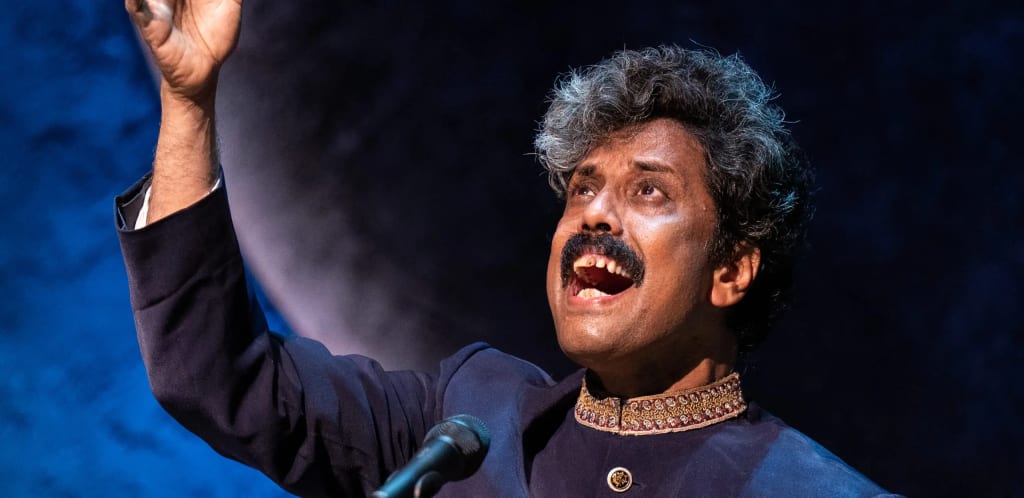
Kolkata: In the world of Hindustani classical music, where every note carries generations of memory and meaning, Ustad Waseem Ahmed Khan has emerged as one of the most dedicated contemporary exponents of the Agra gharana. Born in 1974 into a family that has lived and breathed classical music for decades, the 50-year-old vocalist has spent his entire life working to preserve and enrich the distinctive, dhrupad-influenced khayal style that defines his musical heritage.
Khan’s initiation into music began in early childhood. Growing up in an environment where ragas were part of everyday life, he received his first training from his father, Ustad Naseem Ahmed Khan. From him, Khan absorbed not just the technical discipline of the gharana but also its emotional depth and philosophical approach to music. His lineage traces back to his grandfather, Ustad Basheer Khan, and his great-grandfather, Ustad Ata Hussain Khan, who was popularly known as Ratan Piya. This unbroken musical lineage shaped his early development and instilled in him a deep sense of responsibility toward the tradition he inherited.
In 1999, his musical journey took a more formal and rigorous turn when he joined the ITC Sangeet Research Academy in Kolkata as a scholar. Under the guidance of his grand-uncle and respected guru, Ustad Shafi Ahmed Khan, he gained a deeper understanding of raga structure, voice culture, and the unique aesthetic principles of the Agra gharana. His years at the academy helped refine his technique and broadened his artistic perspective, preparing him for the professional stage.
Although Khan gave his first public performance at the age of ten, his breakthrough moment came much later. In 2013, he performed at the 61st Sawai Gandharva Bhimsen Mahotsav in Pune, one of the most prestigious platforms for Indian classical musicians. His powerful voice and mature improvisational command caught the attention of both audiences and critics. Many described his performance as a refreshing reminder of the traditional Agra style delivered with confidence and clarity.
Over the years, Khan has performed at many major festivals across India. His appearances at the Parampara Festival in New Delhi, the Bhilwara Sur Sangam in Rajasthan, and numerous classical conferences have earned him acclaim for both technical precision and expressive depth. His international presence has also grown steadily, with notable performances at events such as the Darbar Festival in London. In 2024, his duet with sitar maestro Budhaditya Mukherjee received special praise for the seamless interplay between voice and instrument. Listeners highlighted the sensitivity and responsiveness that marked the collaboration.
Khan is frequently admired for his strong and unwavering commitment to the traditional Agra gharana style. His singing is known for robust bol-bant, well-structured bol-taans, and intricate layakari, all of which showcase the gharana’s depth and complexity. He is also one of the few vocalists today who regularly explores rare or less commonly performed ragas. His 2019 performance of Raga Purvi, followed by the seldom-heard Raga Dhanashri, received high praise from veteran critic Shailaja Khanna, who highlighted the thoughtful and meditative quality he brought to the recital.
Publications such as The Hindu have often described him as a prominent vocalist of the Agra gharana. Reviews frequently highlight not just his musical ability but also his sincerity and sense of responsibility toward maintaining the purity of the tradition. A 2020 review of his concert in Nagpur noted that he "set the stage on fire" through his dynamic improvisations and energetic approach to raga development.
Beyond the concert stage, Khan plays a significant role in shaping the next generation of classical musicians. He serves as a senior guru at the Shakhri Begum Memorial Trust, an institution founded by the late Ustad Rashid Khan. Through intensive training sessions, he guides young vocalists and helps them build a strong foundation in classical music. His involvement with SPICMACAY and other cultural organizations reflects his commitment to bringing classical music to students and wider audiences across India.
Four decades into his musical journey, Ustad Waseem Ahmed Khan continues to uphold and strengthen the legacy of the Agra gharana. His performances carry the weight of history while still feeling alive, fresh, and relevant to contemporary listeners. With every concert and every class he teaches, he contributes to ensuring that the powerful, resonant voice of his gharana continues to inspire future generations.
About the Creator
Aarohi Mehta
Aarohi is an independent journalist and art enthusiast who covers culture, creativity, and modern digital trends. She brings a fresh, expressive voice to her stories, blending clear reporting with a strong artistic perspective.
Keep reading
More stories from Aarohi Mehta and writers in Journal and other communities.
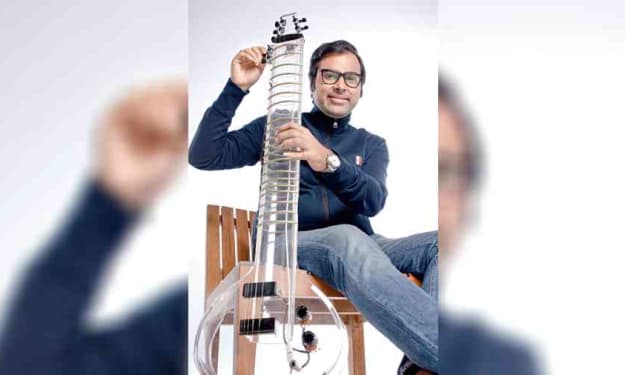
Pt. Purbayan Chatterjee on the innovation behind the electric see-tar
Sitarist Purbayan Chatterjee has added an unusual but powerful instrument to his repertoire: the electric see-tar, a custom-made creation designed in collaboration with Belgium-based luthier Klaas Janssens, who runs Sitar Factory. Made from Plexiglas, this modern sitar is lightweight, glows with changing colours during performances, and produces a distinct resonant tone.
By Aarohi Mehta3 months ago in Journal
Author’s Advice
If you would’ve asked me 20 years ago did I know I’d become a writer and an author, I would’ve said “nope, ain’t happening”. As fate would have it I did become an author and I can honestly say I’m loving it so far. It really does feel good to be a writer. I’ve learned a lot on this journey and I feel like with even me being as new to this world as I am, there’s some wisdom I need to share with every other aspiring author.
By Joe Patterson5 days ago in Journal



Comments
There are no comments for this story
Be the first to respond and start the conversation.