
Use the Stairs, Work from Home: How Asia Is Responding to the Surge in Global Oil Prices
Governments and businesses across Asia introduce new measures to cut energy consumption as fuel costs climb worldwide
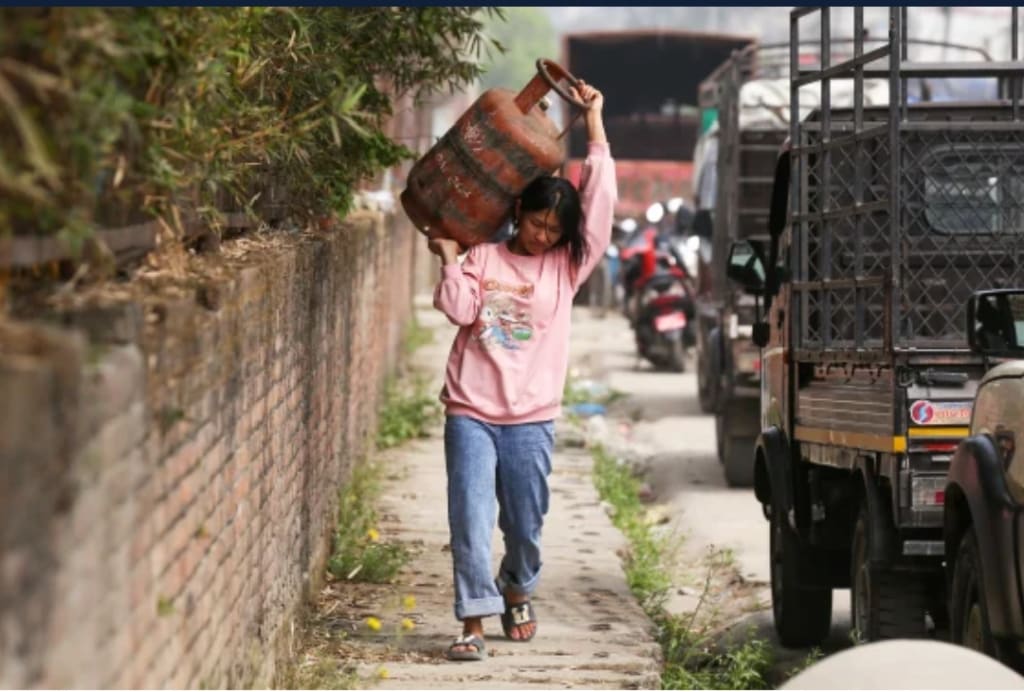
Rising oil prices have once again begun to reshape economies and everyday life across Asia. As global energy markets react to geopolitical tensions, supply disruptions, and growing demand, governments and businesses across the region are adopting unusual but practical measures to reduce fuel consumption. From encouraging people to use stairs instead of elevators to expanding remote work policies, Asian nations are quickly adjusting to the realities of expensive energy.
For many countries in Asia—where large populations, growing industries, and expanding transportation networks rely heavily on imported energy—the impact of rising oil prices can be immediate and severe. Fuel costs influence everything from transportation and manufacturing to food prices and electricity bills. As a result, authorities across the region are looking for creative ways to reduce oil consumption while protecting their economies.
Governments Push for Energy-Saving Habits
Several Asian governments have begun promoting energy-saving campaigns aimed at both businesses and citizens. These campaigns often focus on small but meaningful changes in daily routines. In some places, public buildings have been encouraged to reduce elevator usage during peak hours, urging employees and visitors to use the stairs instead.
Although such measures may appear symbolic, they are part of broader national strategies designed to reduce electricity demand and conserve fuel. Elevators consume significant electricity in large office towers, and encouraging stair use during short trips can help reduce energy usage over time.
Similarly, government offices and corporations are adjusting air conditioning policies. In many cities, building managers have been asked to raise thermostat temperatures slightly to reduce energy consumption. This type of policy has been implemented before during past energy crises and has proven effective in cutting power demand.
The Return of Remote Work
Another major response to rising oil prices is the renewed push toward working from home. During the COVID-19 pandemic, remote work became widely accepted across many Asian economies. Now, governments and companies are revisiting those policies as a way to reduce transportation fuel consumption.
By allowing employees to work from home several days a week, companies can significantly reduce commuting traffic. Fewer cars on the road means less fuel consumption and reduced pressure on transportation systems.
Large metropolitan areas such as Tokyo, Seoul, and Singapore have particularly embraced this strategy. In these densely populated cities, millions of people commute daily using trains, buses, and private vehicles. Even a small reduction in commuting can translate into substantial fuel savings.
Companies have also discovered that remote work can help reduce operational costs. Office buildings require less electricity for lighting, cooling, and equipment when fewer employees are present. For businesses already dealing with higher energy bills, flexible work arrangements offer an effective way to manage expenses.
Transportation Systems Under Pressure
Public transportation networks across Asia are also feeling the effects of rising oil prices. Bus operators, airlines, and shipping companies are all facing higher fuel costs, which can quickly translate into higher ticket prices or reduced services.
Airlines, in particular, are sensitive to fuel price fluctuations because jet fuel represents one of their largest operating costs. As prices rise, airlines may reduce flight frequencies, increase fares, or introduce fuel surcharges to cover expenses.
Shipping companies face similar challenges. Asia plays a central role in global trade, with massive cargo volumes moving through ports every day. When fuel prices rise, transportation costs increase, which can eventually push up the prices of consumer goods worldwide.
Businesses Rethink Energy Strategies
In response to these challenges, many Asian businesses are accelerating investments in energy efficiency and alternative energy sources. Solar power installations, electric vehicles, and energy-efficient machinery are becoming more attractive as traditional fuel costs climb.
Manufacturers, in particular, are under pressure to control energy expenses. Factories that rely heavily on fuel-powered machinery or transportation networks may see profit margins shrink when oil prices surge. As a result, companies are increasingly exploring automation, electrification, and renewable energy solutions.
Some corporations are also implementing internal energy-saving guidelines. Employees may be encouraged to reduce unnecessary travel, limit office electricity usage, and adopt digital communication tools instead of in-person meetings that require transportation.
The Economic Ripple Effect
Higher oil prices rarely affect only the energy sector. They ripple through entire economies. When transportation becomes more expensive, the cost of delivering goods rises. This increase can eventually reach consumers in the form of higher prices for food, clothing, and household products.
Asian economies, many of which depend on imported energy, are particularly vulnerable to these fluctuations. Governments often face difficult choices: either allow fuel prices to rise and risk public frustration, or introduce subsidies that strain national budgets.
Some governments have attempted to soften the impact by temporarily reducing fuel taxes or offering financial support to transportation companies. However, such measures are often short-term solutions rather than permanent fixes.
Citizens Adjust Daily Life
Beyond government policies and corporate strategies, ordinary citizens are also changing their habits. Many people are choosing public transportation over private cars, while others are combining errands to reduce the number of trips they make.
Cycling and walking are becoming more common in some urban areas, particularly where city infrastructure supports these options. Even small behavioral changes—such as using stairs instead of elevators or reducing air conditioning usage—are being promoted as ways to contribute to national energy conservation efforts.
For households facing higher fuel and electricity bills, energy efficiency is becoming a financial necessity. Energy-saving appliances, better insulation, and careful electricity usage can help families manage rising costs.
A Reminder of Energy Dependence
The current oil price spike serves as a powerful reminder of how dependent modern economies remain on fossil fuels. Despite years of discussion about renewable energy and sustainability, oil continues to play a central role in transportation, manufacturing, and global trade.
For many Asian countries, the current situation is reinforcing the urgency of diversifying energy sources. Investments in solar, wind, and electric transportation are expected to accelerate as governments look for ways to reduce vulnerability to global oil price fluctuations.
Looking Ahead
While no one can predict exactly how long oil prices will remain elevated, the adjustments taking place across Asia show how quickly societies can adapt when faced with energy challenges. Encouraging stair use, promoting remote work, and investing in energy efficiency may seem like small steps individually, but together they represent a broader shift in how energy is consumed.
As the global energy landscape continues to evolve, the measures being introduced today could become long-term habits. For Asia’s governments, businesses, and citizens, the current oil price surge may ultimately serve as a catalyst for building more resilient and energy-efficient economies.
About the Creator
Author’s Advice
If you would’ve asked me 20 years ago did I know I’d become a writer and an author, I would’ve said “nope, ain’t happening”. As fate would have it I did become an author and I can honestly say I’m loving it so far. It really does feel good to be a writer. I’ve learned a lot on this journey and I feel like with even me being as new to this world as I am, there’s some wisdom I need to share with every other aspiring author.
By Joe Patterson5 days ago in Journal
The Value of Financial Perspective in Modern Organizations
Financial leadership plays a significant role in shaping how organizations move forward. While many people associate finance primarily with reporting and accounting, the influence of financial perspective extends far beyond these traditional responsibilities. In today’s environment, organizations rely on thoughtful financial insight to guide decisions, manage uncertainty, and maintain stability.
By Carolina Guerrenoa day ago in Journal




Comments
There are no comments for this story
Be the first to respond and start the conversation.