
US, UK, EU, Australia and More to Meet to Discuss Critical Minerals Alliance
Global powers convene to strengthen supply chains for critical minerals amid rising demand from green energy, technology, and defense sectors

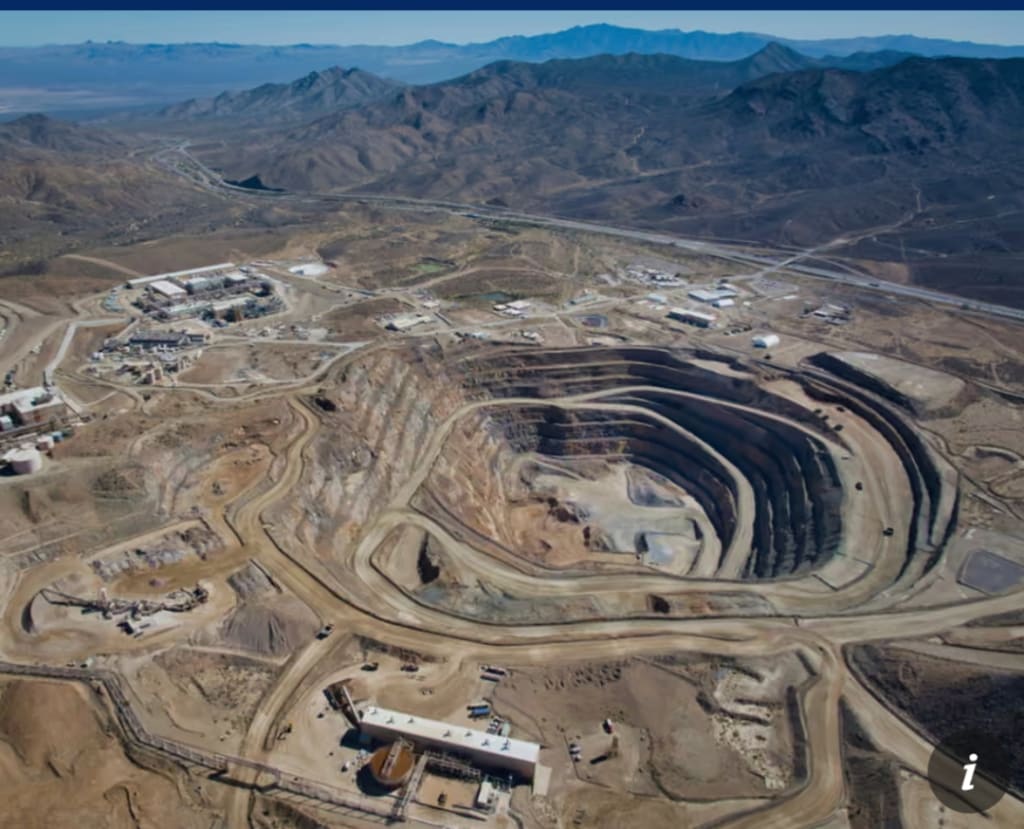
The United States, United Kingdom, European Union, Australia, and several other nations are set to meet in a high-level summit this month to discuss the formation of a Critical Minerals Alliance, a strategic initiative aimed at securing reliable supplies of essential raw materials. The talks highlight the growing importance of critical minerals—such as lithium, cobalt, nickel, rare earth elements, and graphite—in powering the global transition to clean energy, advanced electronics, and defense technologies.
Officials from the participating countries emphasize that the alliance will focus on diversifying supply chains, enhancing resource security, and promoting responsible mining practices, while reducing dependence on a few dominant suppliers. The move reflects growing geopolitical and economic concerns over global mineral supply, which has become a strategic priority in the face of climate change and technological innovation.
---
Why Critical Minerals Are Becoming a Global Priority
Critical minerals are indispensable for green technologies, including electric vehicle (EV) batteries, wind turbines, solar panels, and energy storage systems. They are also vital in semiconductors, advanced electronics, and defense applications, making them central to both economic competitiveness and national security.
Recent studies indicate that demand for lithium, cobalt, and rare earth elements could increase three- to fivefold by 2030 as nations accelerate renewable energy adoption. Yet, mining and processing of these minerals are geographically concentrated, with a handful of countries controlling a large share of global supply. This concentration has raised concerns about supply disruptions, price volatility, and strategic vulnerability.
The proposed alliance aims to mitigate these risks by creating a collaborative network of producers and consumers, ensuring secure, sustainable, and diversified mineral sourcing for critical industries.
---
Participating Nations and Their Strategic Interests
The summit is expected to include the United States, United Kingdom, European Union, Australia, Canada, and Japan, among others. Each participant brings unique capabilities to the table:
United States: Aims to reduce reliance on imports, particularly from China, for rare earth elements and other critical minerals. The U.S. has also invested heavily in domestic mining and processing initiatives.
United Kingdom and EU: Seek to secure supplies for rapidly growing clean energy markets, including EVs and renewable infrastructure. Both have introduced strategies to encourage domestic extraction and recycling.
Australia: One of the world’s largest producers of lithium, cobalt, and rare earth elements, providing a crucial export base to meet global demand.
Canada and Japan: Focus on mining expertise, advanced processing, and industrial integration to ensure strategic access to critical resources.
The combined effort of these nations represents a geopolitical strategy to reduce overreliance on a single dominant supplier and strengthen collective resilience in the face of potential supply chain disruptions.
---
Supply Chain Vulnerabilities and Geopolitical Risks
The reliance on a few countries for critical minerals has long been a source of concern. China dominates global rare earth production and processing, while cobalt mining is heavily concentrated in the Democratic Republic of Congo. These imbalances make the global supply chain vulnerable to political tensions, trade restrictions, and environmental challenges.
Geopolitical analysts argue that the alliance could act as a counterweight to supply concentration, ensuring that key industries in North America, Europe, and allied nations have stable access to essential materials. The group may also explore joint investment in mining, processing, recycling, and technology development, creating a more integrated and resilient global mineral network.
---
Environmental and Ethical Considerations
While supply security is a priority, participating nations have emphasized the need for sustainable and ethical sourcing. Mining activities for critical minerals are often associated with environmental degradation, labor challenges, and community displacement.
The alliance is expected to set standards for responsible mining, transparent labor practices, and environmental stewardship, aligning economic goals with sustainability targets. This approach not only addresses reputational concerns but also ensures that the transition to clean energy does not create additional environmental or social harm.
---
Potential Economic and Industrial Impact
Securing a stable supply of critical minerals is seen as essential for industrial competitiveness. Battery manufacturing, renewable energy infrastructure, and high-tech electronics industries all depend on predictable mineral supply chains.
For participating nations, the alliance could:
Reduce price volatility caused by supply shocks
Encourage domestic investment in mining, processing, and recycling
Promote technological innovation in mineral extraction and utilization
Strengthen strategic autonomy in defense and energy sectors
Economists argue that countries capable of controlling critical mineral supply chains will gain significant advantages in the global race for green technologies and digital infrastructure.
---
Next Steps and Outlook
The upcoming summit is expected to formalize frameworks for cooperation, investment, and standard-setting. Experts suggest that initial discussions may focus on joint research programs, technology sharing, and infrastructure development for mining and processing.
While the alliance is still in its early stages, officials are optimistic that it will lay the foundation for long-term collaboration in securing critical minerals. Observers note that if successful, the initiative could reshape global supply dynamics, reduce strategic vulnerabilities, and accelerate the adoption of clean technologies worldwide.
---
Conclusion
The planned meeting of the US, UK, EU, Australia, and other nations to discuss a Critical Minerals Alliance reflects the increasing recognition of raw materials as strategic assets in the 21st century. By pooling resources, expertise, and policy coordination, participating nations aim to secure a reliable, sustainable, and ethical supply of critical minerals.
In a world rapidly transitioning to clean energy, advanced technology, and digital infrastructure, the alliance represents a proactive strategy to strengthen economic competitiveness, reduce geopolitical risks, and support global sustainability goals. As talks progress, the initiative is likely to have far-reaching implications for the global economy, energy markets, and industrial innovation.
About the Creator
Keep reading
More stories from Salaar Jamali and writers in Journal and other communities.
Barrick Weighs Sale of Gold Mine to Discovery Silver
Barrick Gold Corporation, one of the world’s largest gold producers, is reportedly considering the sale of one of its gold mining assets to Discovery Silver Corp., a junior miner focused on silver and precious metals exploration. The potential transaction reflects a broader trend of strategic portfolio optimization in the mining industry, as companies reassess core operations, prioritize high-return assets, and adapt to shifting market dynamics.
By Salaar Jamaliabout 6 hours ago in Journal
Don't Wait Until You're Rich to Build Assets
The belief that 'you need money to build assets' is a cognitive trap for most people. The real core assets that can weather economic cycles and never depreciate don't require a large amount of capital upfront. Instead, they are hidden in the daily accumulation of details. Ordinary people don't need to chase after rising prices and sell at lows in financial management, nor do they need to hoard real - estate or goods to bet on market trends. By seizing two types of assets -'reusable skill assets' and 'high - trust network assets', they can gain a firm foothold in a changing world and become more valuable with accumulation.
By Lady Alkaid5 days ago in Journal



Comments
There are no comments for this story
Be the first to respond and start the conversation.