
US Government Shutdown Averted: A Narrow Escape from Fiscal Crisis
The threat of a government shutdown in the United States has been a pressing issue, particularly as Congress faced a critical deadline that could have serious implications for the nation's stability.

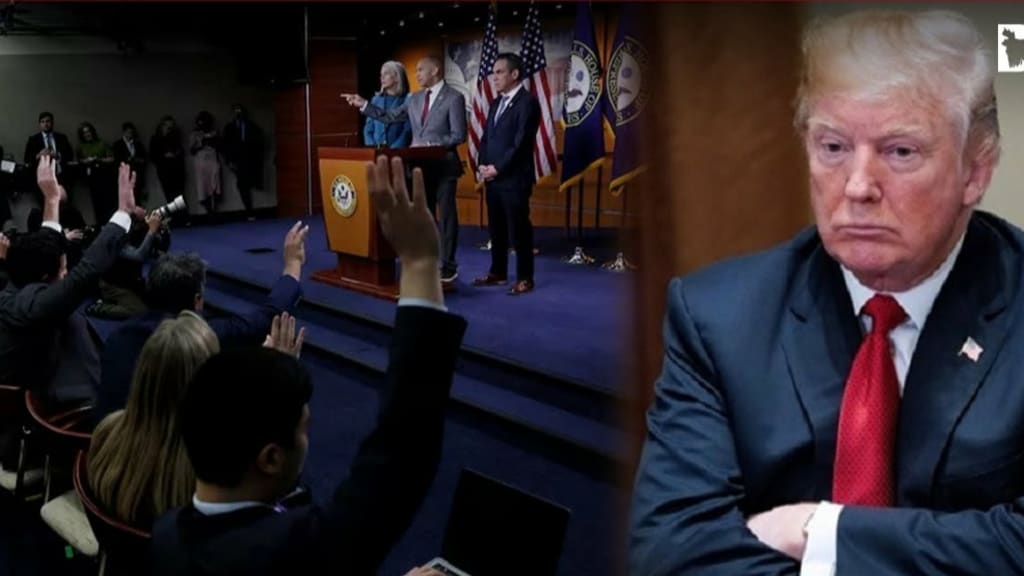
The threat of a government shutdown in the United States has been a pressing issue, particularly as Congress faced a critical deadline that could have serious implications for the nation's stability. Recently, a proposed short-term spending bill aimed at securing government funding encountered unforeseen challenges and ultimately failed in the House of Representatives. This development opened up discussions about the deepening divides within the political arena, highlighting the growing partisan tensions that are reshaping the current landscape of governance.
The Proposed Short-Term Spending Bill
The intention behind the proposed spending bill was to provide temporary funding for the government, ensuring its operations could continue without interruption. The bill aimed to maintain current spending levels to prevent drastic cuts that could adversely impact various public services. It was structured to extend funding until March, acting as a stopgap measure meant to buy additional time for further negotiations.
However, the outcome of the vote was disappointing for supporters. The bill received only 174 votes in favor against a striking 235 votes opposing it. A significant point of contention was the fact that 38 Republican lawmakers chose to break from party lines and vote against their leadership, reflecting an internal struggle within the Republican Party and raising questions about their unity on such an important issue.
Reactions to the Vote
The reactions to this failed vote were varied and intense. House Speaker Mike Johnson, who had initially backed the bill, expressed his disappointment and frustration, indicating that he would be looking for alternative solutions to avoid a shutdown. Meanwhile, House Minority Leader Hakeem Jeffries criticized the bill, labeling it insufficient for the needs of working-class citizens. He argued that it favored the interests of the wealthy instead of addressing the real concerns of everyday Americans who rely on government services.
Tech entrepreneur Elon Musk weighed in as well, warning that the potential fallout from a government shutdown could lead to considerable distress among the public, particularly as the holiday season approaches. His comments underscored the broader impact that political decisions can have on individual lives, particularly during important times of the year.
Political Fallout and Partisan Gridlock
The rejection of the spending bill illuminated significant fractures within the Republican Party. Many members expressed a preference for a different strategy, moving away from the bipartisan approach that previously garnered support. This division suggests that internal disagreements may be more prevalent than previously acknowledged.
In response, Democrats emphasized the importance of effective governance, arguing that political gamesmanship should not overshadow the responsibility of lawmakers to prioritize the welfare of citizens. The growing stalemate raises concerns about the substantial implications that a prolonged shutdown would have on federal operations and services.
Experts in political and economic fields warn that if the impasse continues, it could severely disrupt government functions. This disruption could affect multiple sectors, leaving federal employees in precarious situations and undermining public confidence in the government's ability to manage its affairs effectively.
Economic Impact and Public Disruption
The ongoing threats of a government shutdown carry significant risks for federal employees and their families. For example, salary payments might be delayed, or workers could face furloughs, causing financial hardships for many. Additionally, vital contractors and services that rely on federal funding may be halted, affecting numerous individuals and businesses dependent on government contracts.
The broader economic ramifications of such a shutdown could further erode trust in government institutions. Citizens uncertain about their futures might grow increasingly disillusioned with the political process, potentially resulting in long-term consequences for civic engagement and participation in democracy.
Potential Solutions and Future Outlook
To mitigate the risks of future shutdowns, several short-term solutions could be considered. Implementing temporary funding extensions might allow for breathing room while negotiations continue. Additionally, fostering genuine cooperation between political parties is essential to break the ongoing deadlock.
Long-term strategies also require attention. Addressing fundamental budgetary challenges while taking into account the diverse interests represented in Congress is crucial for achieving sustainable governance moving forward.
The Road Ahead: Avoiding Future Shutdowns
Recent developments serve as a stark reminder of the urgency surrounding the budgeting process in the United States. Effective bipartisan negotiation strategies are essential for moving away from repeated crises.
Engaging in civic discourse remains critical during this time. Citizens should feel encouraged to contact their representatives and advocate for policies that promote stability in governance. Creating a healthier political environment is necessary for progress, and fostering discussions that prioritize the needs of Americans over party divisions is vital as the nation moves forward.
About the Creator
Keep reading
More stories from Rabbil Mia and writers in Journal and other communities.
10 Essential Steps to Starting a Successful Business: Insights from Billionaire Yat Siu
Starting a business can be overwhelming, especially in today’s world where technology is constantly changing. The path to entrepreneurship can feel complicated, with many uncertainties along the way. Gaining insights from successful entrepreneurs can help ease these challenges and make the journey more fruitful. Yat Siu, who is the founder of Animoca Brands and has achieved tremendous success, shares valuable lessons on building and growing a successful business. Here are ten essential steps he suggests for aspiring entrepreneurs.
By Rabbil Miaabout a year ago in Motivation
Smart phones, Humans and Aliens.
WARNING. I will be tapping into one of your favorite creative tensions: The absurdity of humans worshipping their glowing rectangles as if they were tiny oracles. There’s something deliciously poetic about that contradiction, and it lends itself beautifully to an instructive proviso.
By Novel Allen6 days ago in Poets




Comments
There are no comments for this story
Be the first to respond and start the conversation.