
US Considers Requiring Permits for Nvidia, AMD Global AI Chip Sales
Proposed export controls could reshape the global semiconductor market and intensify the technology rivalry between the United States and China.
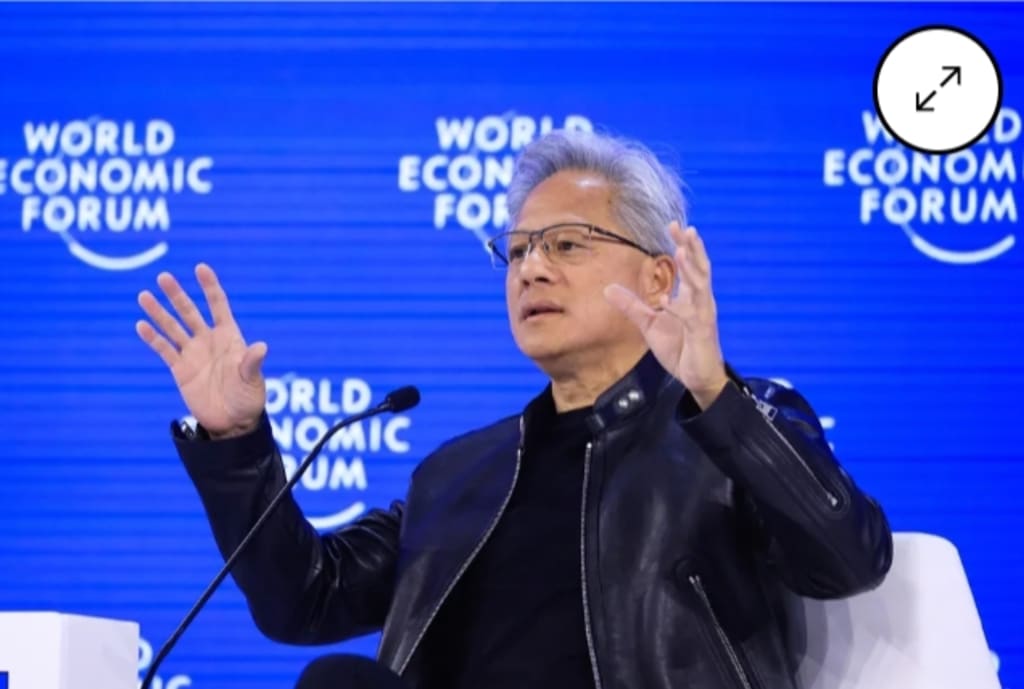
The United States is considering a new policy that could dramatically reshape the global technology landscape: requiring export permits for advanced artificial intelligence (AI) chips produced by major American companies such as Nvidia and AMD. The proposal reflects growing concerns in Washington that cutting-edge semiconductor technology could strengthen the military and technological capabilities of geopolitical rivals, particularly China.
If implemented, the rule would mean that companies selling high-performance AI chips abroad would need approval from the U.S. government before completing transactions with certain foreign buyers. While the proposal is still under discussion, it signals a major escalation in the ongoing global competition over semiconductor technology—an industry widely seen as the backbone of modern digital economies.
This potential move has sparked debate across the technology sector, with supporters arguing that tighter controls are necessary for national security, while critics warn that restrictions could disrupt global supply chains and harm American companies competing in international markets.
Why AI Chips Have Become Strategically Important
Artificial intelligence chips are specialized processors designed to handle complex computational tasks required for machine learning, data analysis, and advanced computing systems. These chips power everything from data centers and autonomous vehicles to advanced military systems and scientific research.
Companies like Nvidia and AMD have become global leaders in producing these high-performance processors. Their GPUs (graphics processing units) are widely used for training large AI models and running advanced algorithms.
Because of their power and versatility, AI chips have become a strategic asset. Governments increasingly view them not just as commercial products, but as technologies with significant national security implications.
Advanced AI chips can accelerate breakthroughs in areas such as surveillance, cybersecurity, and weapons systems. For that reason, U.S. policymakers have grown increasingly concerned about the possibility that rival nations could use American technology to strengthen their military capabilities or gain a technological edge.
The Proposed Permit Requirement
Under the proposal currently under discussion, companies like Nvidia and AMD would need to obtain government permits before exporting certain advanced AI chips to specific international markets.
This system would likely be administered through the U.S. Department of Commerce, which already oversees export controls on sensitive technologies. Similar regulations have previously restricted the sale of advanced semiconductors to China and other countries considered strategic competitors.
The new rule could expand those controls further by requiring licenses for a broader range of global sales, not just shipments to specific nations.
Such a system would allow the U.S. government to monitor where advanced AI chips are being used and potentially block sales that could pose security risks.
However, implementing such a policy could also create administrative challenges. Semiconductor companies operate within highly complex global supply chains, and requiring permits for large numbers of international transactions could slow down business operations and increase regulatory costs.
Impact on Nvidia and AMD
For companies like Nvidia and AMD, the proposed permit system could have significant financial implications.
Both firms generate a substantial portion of their revenue from international markets, including countries in Asia, Europe, and the Middle East. Any additional export restrictions could reduce access to these markets or delay sales approvals.
Nvidia, in particular, has seen explosive demand for its AI chips in recent years due to the rapid expansion of artificial intelligence technologies. Its processors are widely used by major cloud computing companies and AI developers worldwide.
If export permits become mandatory for many overseas customers, it could slow the company’s global growth—at least in the short term.
AMD faces similar concerns, as it competes with Nvidia in the high-performance computing sector. Restrictions could affect its ability to expand sales in emerging markets that are investing heavily in AI infrastructure.
Despite these concerns, some analysts believe that demand for advanced chips is so strong that companies may still maintain strong growth, even under stricter export rules.
Escalating US-China Tech Competition
The proposed export permit system is part of a broader strategy by the United States to limit China’s access to cutting-edge semiconductor technology.
Over the past several years, Washington has implemented multiple restrictions aimed at preventing China from acquiring advanced chips and chip-making equipment.
U.S. officials argue that such measures are necessary to protect national security and maintain technological leadership. China, meanwhile, has criticized the restrictions as unfair trade practices designed to slow its technological progress.
The tension reflects a larger global competition over control of critical technologies, including artificial intelligence, quantum computing, and advanced semiconductors.
Many experts see this rivalry as one of the defining geopolitical struggles of the 21st century.
Global Supply Chain Implications
Any new export permit requirement could have ripple effects throughout the global semiconductor supply chain.
AI chip production depends on a network of companies spanning multiple countries. For example, chip design may take place in the United States, while manufacturing occurs in Taiwan, South Korea, or other regions with advanced semiconductor fabrication facilities.
If export rules tighten, companies across this ecosystem may need to adjust their business strategies.
International customers may also begin looking for alternative suppliers or investing in domestic chip production to reduce reliance on U.S. technology.
Some governments have already begun taking steps in that direction. China, for example, has increased funding for its domestic semiconductor industry in an effort to become more self-sufficient.
Similarly, countries in Europe and Asia are investing billions of dollars into semiconductor manufacturing projects.
Balancing Security and Innovation
The debate over AI chip export controls highlights a broader challenge facing policymakers: balancing national security concerns with the need to maintain open global markets and technological innovation.
Supporters of stricter controls argue that protecting advanced technologies from potential adversaries is essential. They believe export permits could help ensure that powerful AI systems are not used in ways that threaten international stability.
Critics, however, warn that excessive restrictions could backfire.
Limiting global sales might reduce revenue for American companies, potentially weakening their ability to invest in research and development. Over time, this could allow competitors in other countries to catch up technologically.
Finding the right balance between security and innovation will likely remain a central challenge for governments and the technology industry alike.
Looking Ahead
The proposal to require export permits for AI chip sales is still under consideration, and details about its implementation remain uncertain.
However, the discussion itself signals how important semiconductor technology has become in global politics and economic strategy.
If adopted, the policy could reshape the way advanced chips are sold and distributed worldwide, affecting companies, governments, and technology users across multiple industries.
As artificial intelligence continues to transform economies and societies, control over the hardware powering these systems is becoming a key strategic priority.
The coming months will reveal whether the United States moves forward with the proposed permit system—and how the global technology sector adapts to an increasingly regulated and competitive environment.
About the Creator
Reader insights
Outstanding
Excellent work. Looking forward to reading more!
Top insights
Compelling and original writing
Creative use of language & vocab
Easy to read and follow
Well-structured & engaging content
Excellent storytelling
Original narrative & well developed characters
Expert insights and opinions
Arguments were carefully researched and presented
Eye opening
Niche topic & fresh perspectives
Heartfelt and relatable
The story invoked strong personal emotions
Masterful proofreading
Zero grammar & spelling mistakes
On-point and relevant
Writing reflected the title & theme




Comments (1)
Nice