
Unveiling the Elegance of Jasmine Green Tea and Dragon Pearl Jasmine Tea
Explore the exquisite flavors of Jasmine Green Tea and Dragon Pearl Jasmine Tea. Each offers a unique infusion of jasmine's aromatic qualities, tailored to different preferences and occasions.
Jasmine Green Tea: A Delicate Balance
Jasmine Green Tea is known for its gentle aroma and subtle sweetness. The tea leaves are infused with jasmine blossoms, lending a soft, floral fragrance that is both calming and uplifting. It’s perfect for those who appreciate a lighter tea that can be enjoyed throughout the day.
Dragon Pearl Jasmine Tea: Rich and Robust
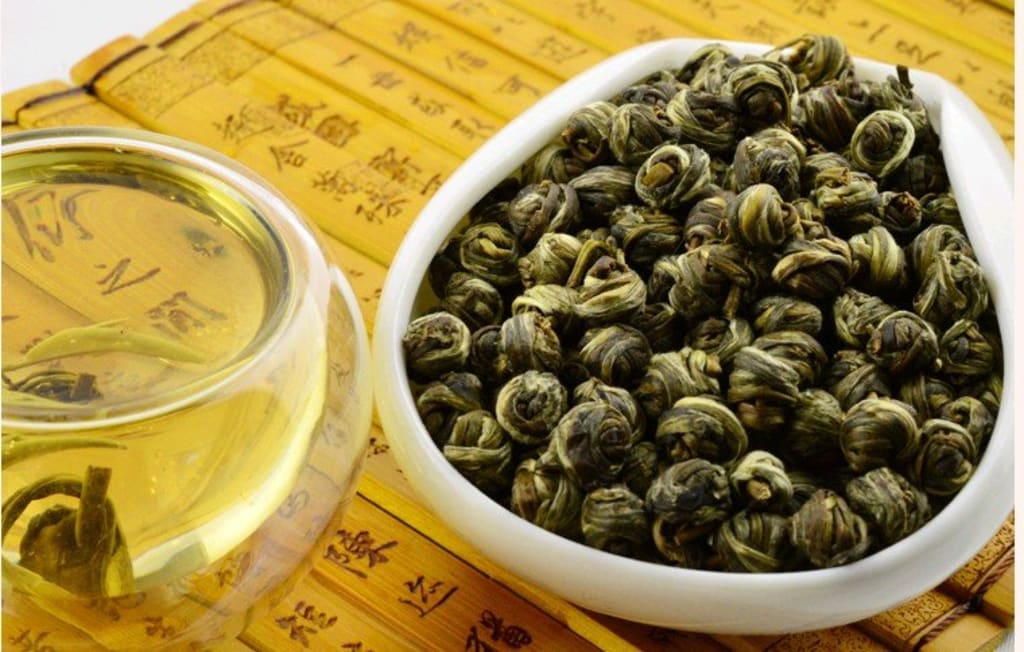
Dragon Pearl Jasmine Tea offers a deeper, more intense jasmine flavor. The tea leaves are hand-rolled into pearls and infused multiple times with jasmine flowers, allowing the essence to deeply penetrate the leaves. When brewed, these pearls slowly unfurl, releasing a rich, full-bodied flavor that is both luxurious and lasting.
Brewing Techniques
For Jasmine Green Tea, use water just before boiling and steep for 1-2 minutes to maintain its delicate flavor. For Dragon Pearl Jasmine Tea, slightly hotter water is ideal, with a steeping time of 2-3 minutes to fully develop its complex notes.
A Journey Through History
Jasmine tea has a rich history that dates back over a thousand years, originating during the Song Dynasty in China. This aromatic blend was initially created by infusing green tea leaves with jasmine blossoms, a practice that quickly gained popularity among Chinese tea enthusiasts. Jasmine Dragon Pearl Tea, a specific variety, emerged as a luxurious variant known for its meticulous production process. These pearls are hand-rolled and scented with jasmine flowers multiple times, ensuring a delicate yet persistent fragrance. The historical significance of jasmine tea reflects China's cultural appreciation for combining the artistry of tea making with natural floral scents.
Distinct Characteristics
Jasmine Dragon Pearl Tea is renowned for its unique appearance and flavor. The tea leaves are rolled into small, pearl-like shapes, which unfurl gracefully when steeped, releasing a fragrant aroma and a mild, sweet flavor. In contrast, Jasmine Green Tea typically consists of loose green tea leaves scented with jasmine flowers, offering a more straightforward yet equally delightful experience. The scenting process involves layering fresh jasmine blossoms over the tea leaves, allowing the floral essence to infuse naturally. Both teas share a common characteristic of offering a soothing, aromatic experience, but the Dragon Pearl variety stands out for its visual appeal and intricate production.
Popular Areas of Enjoyment
Jasmine tea is enjoyed worldwide, with notable popularity in Asia, especially in China and Japan. In these regions, jasmine tea is often served during meals and special occasions, valued for its refreshing and calming properties. Western countries have also embraced jasmine tea, incorporating it into various tea blends and products. The subtle sweetness and floral notes make it a favorite among tea enthusiasts seeking a relaxing beverage. Tea houses and specialty stores in urban areas often feature Jasmine Dragon Pearl Tea and Jasmine Green Tea, catering to a growing interest in premium and exotic teas.
Health Benefits
Jasmine tea offers numerous health benefits, attributed to its green tea base and the addition of jasmine flowers. The antioxidants present in green tea, such as catechins and polyphenols, help reduce the risk of chronic diseases and support overall well-being. The calming effect of jasmine is known to reduce stress and anxiety, promoting relaxation. Additionally, jasmine tea can aid in digestion, improve skin health, and boost the immune system. Regular consumption of jasmine tea may also contribute to better heart health and weight management, making it a beneficial addition to a balanced diet.
Caffeine Content
Both Jasmine Dragon Pearl Tea and Jasmine Green Tea contain caffeine, though the levels are generally lower than those found in black tea and coffee. The caffeine content can vary depending on the type of green tea used and the steeping time. Typically, a cup of jasmine tea contains around 15-60 milligrams of caffeine, providing a gentle energy boost without the jittery effects associated with higher caffeine beverages. This makes jasmine tea an excellent choice for those looking to enjoy a flavorful, aromatic tea with moderate caffeine content, perfect for any time of day.
About the Creator
Keep reading
More stories from lu yunpeng and writers in Journal and other communities.
The Reality of Incense in Modern Living: A Social Perspective
In our fast-paced, sensory-rich lives, the quest for ambience often leads us to the fragrant allure of incense. From ancient temples to contemporary homes, incense has been celebrated for its ability to enhance atmosphere and promote relaxation. As we seek out the best-smelling incense to complement our environments, we must also navigate the practical and ethical considerations of our choices, especially when sharing our spaces with beloved pets.
By lu yunpengabout a year ago in Journal
Required Staff Qualifications for Residential Care Settings
Introduction Qualified staff ensure safe care. Residential services require competence. Clients depend on professional support. Proper staffing protects residents. Regulations demand minimum standards. Training supports service quality. Skills affect daily operations. Experience improves decision-making. Staff behavior impacts outcomes. Ethical practice is essential. Competent teams reduce risk. Quality care builds trust. Professional staff support recovery. Consistency improves stability. Qualifications protect residents. Standards guide hiring decisions. Prepared staff improve performance. Strong teams ensure safety.
By Abdul Mueedabout 9 hours ago in Journal




Comments (1)
Loved this story! You just earned a new subscriber! Please subscribe to my page and please READ for often updates on the best products to use regarding home decor, functional technology, school, and much more!!!