
Unmasking the 1884 Treaty and the Myth of Ijaw Ownership in Forcados, Escravos & Ramos
🛡️ The Shield of Truth

Delivered in the spirit of our ancestors and for the conscience of a misinformed generation.
Ladies and gentlemen, scholars, patriots, and seekers of truth,
History is not a wax tablet that can be rewritten with each changing political wind — it is an iron pillar standing firm in the storm of lies. Yet, today, some attempt to cast shadows on that pillar, distorting facts to redraw ethnic maps and rewrite ancestral lines.
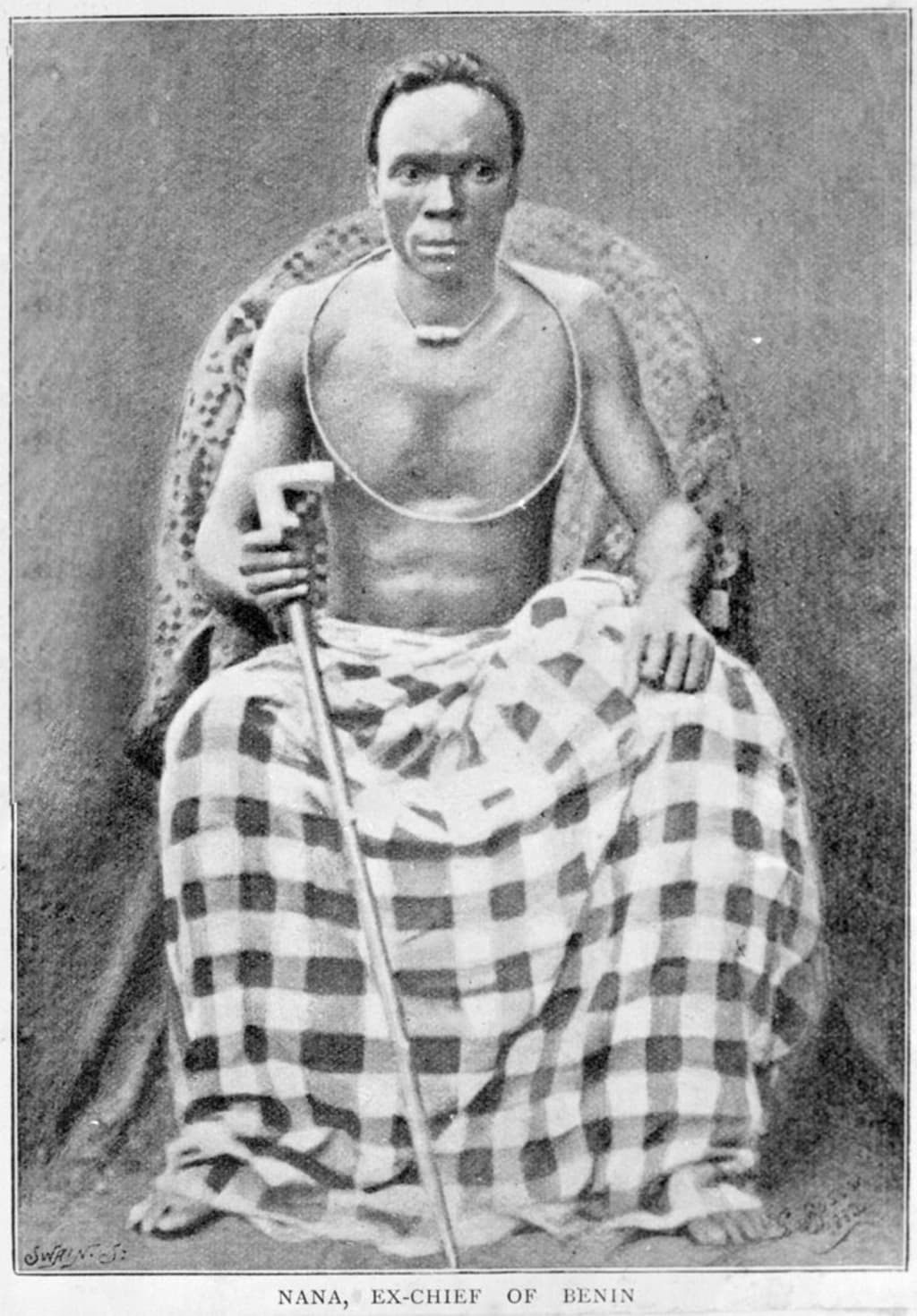
Let us then lift the veil and reveal the truth — not with anger, but with clarity; not with vengeance, but with verified history. This concerns the oft-misrepresented 1884 Treaty of Protection, signed between the British Empire and Chief Nanna Olomu — a revered leader of the Itsekiri nation.
The Lie Wears a Crown of Thorns
A narrative has been circulating — wrapped in ethnic fervor and woven with historical inaccuracy — that suggests this treaty fraudulently included Ijaw territories such as Forcados, Escravos, and River Ramos. But I ask you, where were the Ijaw settlements in 1884 within these western riverine corridors?
The answer lies not in emotion, but in cold, dated fact: they did not exist there.
Let’s journey back through the corridors of time…
Setting the Record Straight: 1884 and the Power of the Pen
In 1884, Chief Nanna Olomu, a man of brilliance, diplomacy, and unshakable resolve, stood before British colonial agents as a sovereign merchant-prince of the Itsekiri people. His influence stretched like the palm fronds along the Benin River, commanding the pulse of trade through Forcados, Escravos, and Ramos — not as a squatter, but as a sovereign steward.
When he signed the Treaty of Protection, it was not an annexation — it was a recognition of existing Itsekiri governance and authority. It wasn’t a fraudulent document; it was a British stamp on a truth that was already well known.
Who Were the Ijaws of the Time?
In 1884, Ijaw presence was dominantly in the east — Bonny, Brass (Nembe), Opobo, and the fringes of Kalabari. They were known as migrant sea traders, and in some European dispatches, even referred to as “roving pirates” who frequented the coasts of Gabon and Cameroon.
- Were they landowners in the Itsekiri heartland? No.
- Were they settled in Forcados or Escravos? Historical records say no.
- Were they signatories or parties to the treaty? Again, no.
Colonial Records Do Not Lie
Let’s be guided by what the British left behind:
Chief Nanna was recognized by the British Crown and Colonial Office as the Governor of the Benin River.
Ijaws were denied unrestricted access to Itsekiri waterways they were viewed as external actors, not native stakeholders.
Petitions from Ijaw leaders in the 1920s and 1930s explicitly acknowledged Itsekiri native authority.
If the land was theirs, why ask for permission?
Migration After Defeat — The Real Movement of the Ijaw Westward
Following the fall of Bonny and Nembe in 1895, after years of confrontation with the British, Ijaw trade empires were shattered. Like warriors seeking new ground, they moved west, into what was already established Itsekiri domain, Warri North and Warri South-West.
But this migration didn’t confer ownership. Arrival is not origin. Squatting does not equate to sovereignty.
Even the Willink Commission Report of 1958, a document designed to identify minority marginalization, never once referred to these territories as aboriginal Ijaw lands. Instead, it affirmed the Itsekiri as the aboriginal custodians of those riverine stretches.
Truth Is a Hammer That Breaks the Stone of Propaganda
You cannot replant a tree and claim it was always there. The Itsekiri Nation, despite attempts to diminish her truth, stands rooted in the soil of time. We will not fold our arms as our ancestors are defamed, our treaties are bastardized, and our sovereignty rewritten in ink soaked with bias.
We say: Stop.
Stop the distortion.
Stop the ethnic provocation masquerading as academic revisionism.
History is sacred. It must not be twisted into a weapon.
A Final Word to Our Neighbours
To our Ijaw brothers, let us reason together. You came, yes but as guests, not as owners. Let history speak, not political ambition. Let truth settle the dust, not social media hashtags. We have shared space, but we must not share falsehood.
The 1884 treaty was not fraudulent.
It was a milestone of sovereignty for the Itsekiri Nation.
Signed in ink, sealed in history, and witnessed by empires.
And no amount of propaganda can erase that.
Truth endures.
The land remembers.
And history always wins.
Culled From Lily-White and rewritten as an Article
About the Creator
Omasanjuwa Ogharandukun
I'm a passionate writer & blogger crafting inspiring stories from everyday life. Through vivid words and thoughtful insights, I spark conversations and ignite change—one post at a time.
Keep reading
More stories from Omasanjuwa Ogharandukun and writers in Journal and other communities.
Top 5 Keys To Unlocking Great Decisions
In today’s fast-paced world of entrepreneurship, leadership, and digital transformation, decision-making is no longer just a skill—it’s a superpower. The people who thrive, scale businesses, solve massive problems, and lead transformative teams aren’t always the most talented—they’re the best decision makers.
By Omasanjuwa Ogharandukun6 months ago in Journal
Instagram Stories: How Viewer Lists Work and What They Reveal About Engagement
Instagram Stories remain one of the most dynamic features on the platform, allowing users to share temporary photos, videos, text overlays, polls, questions, and music that vanish after 24 hours. Introduced in 2016, this format encourages authentic, in-the-moment sharing—whether it's a quick travel snapshot, a behind-the-scenes work moment, or a casual daily update. Unlike permanent feed posts, Stories create urgency and foster real-time interaction, making them a favorite for both personal expression and brand storytelling.
By Eliana Daisy6 days ago in Journal


Comments
There are no comments for this story
Be the first to respond and start the conversation.