
United States Holter ECG Market Size Poised for Steady Growth Amid Rising Cardiovascular Disease Burden and Technological Advancements
Exploring the evolving landscape of continuous cardiac monitoring, digital health integration, and patient-centric innovations shaping the Holter ECG ecosystem
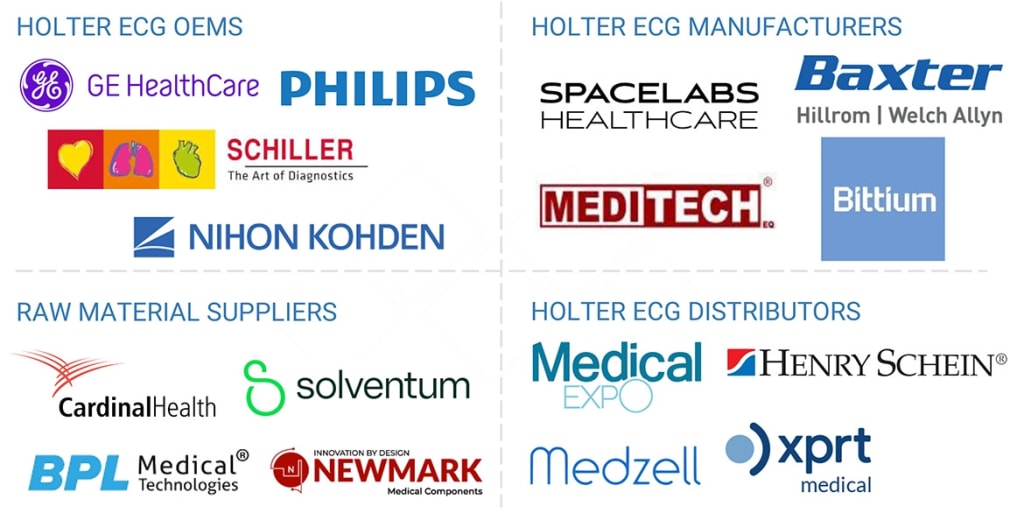
The United States Holter ECG market is undergoing a transformative phase driven by a growing emphasis on early cardiac diagnosis, technological innovation, and the integration of digital health solutions. As cardiovascular diseases (CVDs) continue to be one of the leading causes of mortality, continuous electrocardiogram (ECG) monitoring systems such as Holter devices have become indispensable tools for both clinicians and patients. The increasing prevalence of arrhythmias, lifestyle-related cardiac disorders, and post-operative cardiac monitoring needs have significantly contributed to the expansion of this market.
Moreover, the convergence of artificial intelligence (AI), cloud connectivity, and wearable technology has redefined how Holter ECG monitoring is performed and interpreted. These advancements are not only improving diagnostic accuracy but also enhancing patient comfort and compliance — critical factors for the market’s sustained growth.
Market Overview
The Holter ECG system, first introduced in the late 1940s, has evolved from a bulky analog device to a compact, digital, and cloud-connected wearable capable of continuous cardiac monitoring for up to 14 days or longer. The current generation of Holter monitors are lightweight, patch-based, and capable of integrating with mobile apps and cloud platforms for real-time data analysis and physician access.
This evolution aligns with the broader trend toward ambulatory monitoring, wherein cardiac assessment extends beyond the hospital or clinic setting. Patients can now go about their daily routines while being continuously monitored, allowing for more accurate detection of intermittent cardiac abnormalities that may go unnoticed during traditional ECG tests.
Growing awareness about preventive healthcare, especially among the aging population, and the increasing adoption of portable monitoring devices have positioned Holter ECG systems as essential diagnostic tools in cardiology.
Key Market Drivers
1. Rising Incidence of Cardiovascular Diseases
Cardiovascular diseases remain the primary cause of death across the country. According to the American Heart Association, nearly half of all adults have some form of cardiovascular condition. The high prevalence of hypertension, obesity, diabetes, and sedentary lifestyles further contributes to cardiac complications, necessitating continuous monitoring solutions such as Holter ECG devices.
2. Technological Innovations and AI Integration
Modern Holter monitors now feature cloud-based storage, AI-enabled arrhythmia detection, and real-time data transmission capabilities. These features allow for faster and more accurate diagnostic insights. AI algorithms can automatically analyze ECG data, flagging abnormalities like atrial fibrillation or bradycardia with remarkable precision. This significantly reduces the time physicians spend on manual review and improves clinical decision-making.
3. Increasing Demand for Remote and Ambulatory Monitoring
The growing preference for remote cardiac monitoring, fueled by the expansion of telemedicine, is a pivotal factor in the market’s growth. Holter monitors that integrate with smartphones and telehealth platforms enable continuous cardiac care outside traditional clinical environments. This not only enhances patient convenience but also reduces hospital readmissions and healthcare costs.
4. Growing Elderly Population
The aging population is more susceptible to cardiac arrhythmias and other heart-related disorders. With advancements in wearable technology, older adults are increasingly adopting non-invasive, comfortable, and easy-to-use Holter ECG devices for regular monitoring and early detection of cardiac abnormalities.
5. Regulatory Support and Reimbursement Policies
Supportive reimbursement policies from healthcare insurers and regulatory bodies have bolstered the adoption of Holter monitoring systems. The emphasis on value-based care and early diagnosis has further encouraged physicians and healthcare providers to incorporate these devices into standard cardiac care protocols.
Market Challenges
Despite the positive growth trajectory, certain challenges persist. Data privacy and cybersecurity concerns remain key issues, especially with cloud-connected Holter systems transmitting sensitive health data. Additionally, the high cost of advanced Holter devices and limited accessibility in certain rural healthcare facilities may hinder widespread adoption.
Another challenge is patient compliance. While wearable devices have become more comfortable and discreet, some patients still face difficulties in maintaining proper contact with electrodes or in managing data uploads, particularly among the elderly population.
Technological Trends Shaping the Market
1. Patch-Based Holter Monitors
One of the most notable innovations is the emergence of patch-based Holter monitors. These adhesive, single-use patches offer a more comfortable and discreet monitoring experience compared to traditional multi-lead devices. They can record ECG data continuously for up to two weeks, improving diagnostic yield.
2. Cloud and Mobile Connectivity
Integration with cloud storage and mobile applications enables real-time ECG data transmission and remote physician review. This has significantly improved turnaround time for diagnosis and enhanced the efficiency of cardiac care.
3. AI and Machine Learning
AI-enabled analytics are transforming the interpretation of ECG data. Machine learning algorithms can process large volumes of continuous ECG recordings to identify complex arrhythmias with minimal human intervention, reducing error rates and improving clinical outcomes.
4. Miniaturization and Wearable Technology
Advancements in sensor technology and microelectronics have enabled the miniaturization of Holter monitors, making them lightweight and non-intrusive. These wearable devices seamlessly blend into patients’ daily lives, encouraging long-term monitoring and better compliance.
Competitive Landscape
The market features a competitive mix of established players and innovative startups. Leading manufacturers are focusing on developing advanced, AI-powered Holter systems and expanding their software ecosystems for remote monitoring. Key industry participants are also pursuing strategic collaborations with healthcare providers and digital health platforms to enhance their service offerings.
Some companies are integrating Holter monitoring with broader cardiac diagnostics solutions, including event monitors and mobile cardiac telemetry (MCT), offering comprehensive cardiac care pathways for healthcare professionals.
Future Outlook
The future of the Holter ECG market in the United States is poised to be defined by the continued convergence of technology, data analytics, and personalized medicine. As healthcare systems transition toward preventive care models, demand for long-term, non-invasive monitoring solutions will continue to surge.
AI-driven ECG analytics, remote patient monitoring programs, and connected wearable technologies will play a central role in shaping the next decade of cardiac diagnostics. The integration of Holter monitoring data into electronic health records (EHRs) and predictive healthcare platforms will enable a more holistic approach to patient management.
Furthermore, with the growing interest in hybrid healthcare systems — combining in-person consultations with virtual care — Holter ECG devices will serve as a critical link between patients and cardiologists, ensuring continuous cardiac oversight.
Conclusion
The United States Holter ECG market stands at the intersection of clinical need and technological innovation. Driven by rising cardiovascular disease rates, advancements in wearable health technology, and the increasing adoption of remote monitoring solutions, the market is on a path of sustained growth. While challenges such as data security and device affordability persist, ongoing innovations and expanding healthcare infrastructure are set to overcome these barriers.
As the healthcare landscape continues to evolve toward digital transformation, Holter ECG monitoring will remain an essential pillar in the pursuit of timely, accurate, and patient-centric cardiac care.
About the Creator
Keep reading
More stories from Rachel Paul and writers in Journal and other communities.
Cell Therapy Technologies: Revolutionizing the Future of Regenerative Medicine
Cell therapy technologies are redefining the boundaries of modern medicine, offering unprecedented potential to treat, manage, and even cure diseases that were once considered untreatable. By using living cells—engineered or modified to perform targeted functions—scientists are pioneering a new era in healthcare where the body’s own biological systems are the cornerstone of healing.
By Rachel Paul3 months ago in Journal




Comments
There are no comments for this story
Be the first to respond and start the conversation.