
Understanding the Ukraine-Russia Conflict
A Complex Geopolitical Struggle

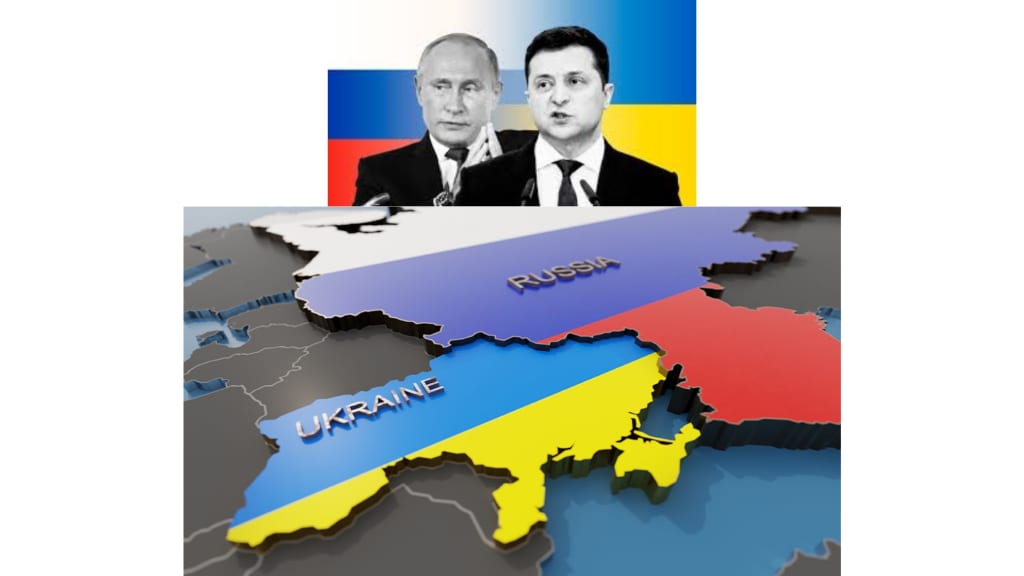
The ongoing conflict between Ukraine and Russia has garnered significant international attention and sparked concerns about regional stability and global geopolitics. The roots of this conflict can be traced back to historical, cultural, and political factors, making it a complex and multifaceted issue. In this blog post, we will explore the key factors contributing to the Ukraine-Russia conflict and the implications it holds for the region and the wider international community.
Historical Background: To understand the Ukraine-Russia conflict, we must consider the historical context. Ukraine has a rich history intertwined with both Russia and Europe. Throughout the centuries, Ukraine has experienced periods of autonomy, domination, and cultural influence from various powers. Following the dissolution of the Soviet Union in 1991, Ukraine gained independence, marking a crucial turning point in its relationship with Russia.
Crimea and Annexation: One of the major flashpoints in the conflict was the annexation of Crimea by Russia in 2014. The move came after a controversial referendum in which Crimea voted to join Russia. This annexation was met with widespread condemnation from the international community, as it was deemed a violation of international law. The annexation further strained the already fragile relationship between Ukraine and Russia and heightened tensions in the region.
Ethnic and Cultural Divisions: The conflict in Ukraine has also exposed deep ethnic and cultural divisions within the country. Ukraine is linguistically and culturally diverse, with significant Russian-speaking populations in certain regions, particularly in the east and south. These divisions have been manipulated and exacerbated by political actors on both sides, leading to further tensions and conflicts.
Geopolitical Interests: The Ukraine-Russia conflict is not solely a domestic issue but is deeply intertwined with broader geopolitical interests. Ukraine’s strategic location, its access to the Black Sea, and its historical ties to Russia have made it a contested region. Both Russia and the West, particularly the European Union and the United States, have vested interests in the outcome of this conflict. It is seen as a battle for influence, power, and control over the geopolitical landscape of Eastern Europe.
Humanitarian Consequences: The conflict has had severe humanitarian consequences. The fighting in eastern Ukraine has resulted in the displacement of thousands of people, loss of lives, and destruction of infrastructure. Civilians on both sides have borne the brunt of the conflict, facing hardships, insecurity, and a deteriorating humanitarian situation. The international community has called for de-escalation and efforts to address the humanitarian needs of those affected by the conflict.
International Response: The Ukraine-Russia conflict has received significant international attention and elicited responses from various actors. Sanctions have been imposed on Russia by the European Union, the United States, and other countries as a means to exert pressure and condemn Russia’s actions. Diplomatic efforts, including negotiations and ceasefire agreements, have been pursued to seek a peaceful resolution to the conflict. However, finding a lasting solution remains a complex challenge.
Conclusion: The Ukraine-Russia conflict is a complex and multifaceted struggle, rooted in historical, cultural, and geopolitical factors. The annexation of Crimea, ethnic divisions, and strategic interests have all contributed to the escalation of tensions between the two nations. The conflict has not only had severe humanitarian consequences but also sparked concerns about regional stability and global geopolitics. The international community continues to monitor the situation closely and seeks a peaceful resolution that respects Ukraine’s sovereignty and territorial integrity. A lasting solution will require dialogue, compromise, and a commitment to finding common ground for the benefit of all parties involved.
About the Creator
Taj Padda
Hello, I'm Taj, an avid writer and knowledge enthusiast.
Space Optimization Tips for Converting Existing Buildings into Drug Rehabilitation Centers
Introduction Converting an existing building into a drug rehabilitation center is a profoundly impactful initiative that demands meticulous planning and strategic space optimization. This process is not merely about repurposing walls; it is about transforming built environments into sanctuaries that promote healing, dignity, and long-term recovery. Amid rising demands for substance use disorder treatment, institutions and developers are tasked with leveraging existing infrastructures to fulfill therapeutic needs without compromising on quality or functionality. Achieving optimal space utilization requires a blend of creativity, regulatory compliance, and deep understanding of patient care dynamics.
By Fida Hassain5 days ago in Journal




Comments
There are no comments for this story
Be the first to respond and start the conversation.