
Understanding the Importance of Export Documentation in International Trade
Export Documentation

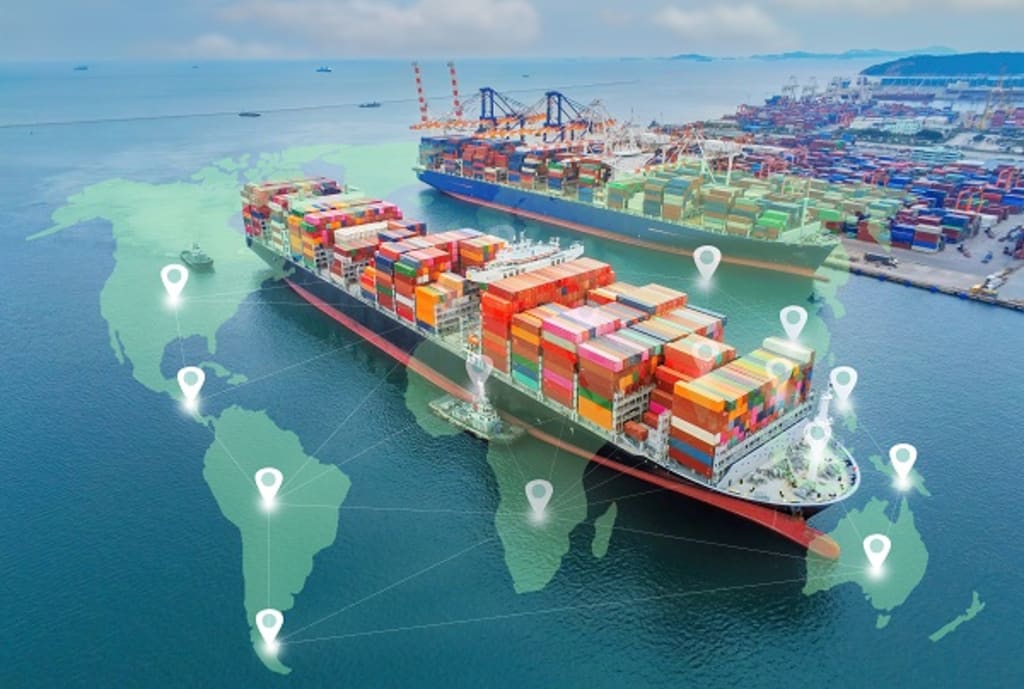
In today's globalised economy, international trade plays a vital role in the growth & success of many businesses. As companies seek to expand their reach & tap into new markets, the importance of export documentation in international trade cannot be overstated. Proper documentation is essential for the smooth flow of goods across borders and compliance with local regulations. In this article, we will explore the significance of export documentation in international trade.
What is Export Documentation?
Export documentation refers to the various documents that are required by government agencies, financial institutions, and other parties involved in international trade. These documents include commercial invoices, packing lists, bills of lading, export licenses, and certificates of origin, among others. Each document serves a specific purpose and is necessary for the proper handling of goods during transport, payment processing, and customs clearance.
Importance of Export Documentation
Legal Compliance
Export documentation is crucial for ensuring legal compliance with regulations and laws that govern international trade. Without proper documentation, businesses risk facing legal penalties, fines, or even the seizure of their goods. For example, certain products require export licenses, permits, or certificates of origin to be exported to specific countries. Failure to obtain these documents can result in customs delays and legal ramifications.
Facilitating International Payment
Export documentation is necessary for international payment processing, especially in cases where buyers and sellers are located in different countries. The commercial invoice is the primary document that details the goods being shipped, their value, and payment terms. Financial institutions rely on these documents to verify the legitimacy of transactions and process payments. In addition, other documents such as bills of lading provide proof of shipment and serve as a basis for issuing letters of credit.
Smooth Customs Clearance
Export documentation is required for customs clearance, which is a critical process for importing goods into a foreign country. Customs officials use these documents to verify the accuracy of information provided by importers, including the value of goods, their country of origin, and their classification. Failure to provide the necessary documentation can result in lengthy customs clearance delays, increased costs, and even the rejection of goods.
Building Trust with Trading Partners
Proper documentation is an essential component of building trust with trading partners. Accurate and complete export documentation demonstrates a company's commitment to professionalism and compliance with regulations. This helps to establish credibility and builds confidence among trading partners, which can lead to more significant business opportunities in the future.
Export documentation is a critical component of international trade and requires careful attention to detail. To avoid costly mistakes and ensure compliance with regulations, businesses should work with experienced professionals who understand the requirements of various countries and can provide guidance on the necessary documentation.
In addition, businesses must ensure that their export documentation is accurate and up-to-date. Mistakes or inaccuracies in documentation can lead to significant delays, fines, or even the seizure of goods. It is crucial to review all documents carefully before submitting them to ensure that they contain the correct information and are free from errors.
Another essential aspect of export documentation is maintaining proper records. Businesses should keep detailed records of all export transactions, including invoices, packing lists, bills of lading, and other documents. These records can serve as a valuable resource for future reference and can help businesses to identify areas for improvement in their export processes.
Moreover, technology has made the process of managing export documentation more efficient and streamlined. Many businesses use digital tools and software to manage their export documentation, reducing the risk of errors and simplifying the process. However, it is essential to ensure that any technology used for managing export documentation complies with relevant regulations and is secure.
In conclusion, the importance of export documentation in international trade cannot be overstated. Proper documentation is necessary for legal compliance, facilitating international payment, smooth customs clearance, and building trust with trading partners. Businesses must prioritize proper documentation in all international trade transactions and work with experienced professionals to ensure that they meet all regulatory requirements. By doing so, they can avoid costly mistakes and build strong relationships with trading partners, ultimately contributing to the growth and success of their business.
About the Creator
Keep reading
More stories from Impex Docs and writers in Journal and other communities.
Pre-Receival Advice - Getting Your Consignment One Step Closer to Export
An important step in the entire trade supply chain is getting export consignments successfully accepted at the cargo terminals. Once that is done, an exporter can take a sigh of relief. Finally, his/her cargo intended for export to a foreign country is ready for loading. So, is there anything that may go wrong and spoil the joy? In case you overlook the importance of accurately and timey submitting a pre-receival advice (PRA), it can be a possibility.
By Impex Docs4 years ago in Journal
~ Fired ~
— Ai Intrusion ~ Are you Next ~ Is Ai Evolution after your job? — Few workplaces haven't been affected. Ai is in supermarkets, at doctors' offices, and even monitoring farms. I just can't think of anything this machine is not getting into, can you? For instance: Education ~ Law and Tech jobs will one day have a major influence or be taken over by these inanimate machines, with accuracy and vigor. From mechanics' diagnoses to a wide variety of everyday jobs, including fast food workers, with this input having the ability to cut their unnecessary work hours. I'm certain all of us have been touched by this with our short stories and colorful headings, have you? Even comments are very questionable 'Non-Robot' insertions.
By Jay Kantor6 days ago in Journal
Self Help: Grifters' Gospel
On Self-Help, Snake Oil, and the Illusion of Change Psychology professionals and students can be imagined on two opposite sides of a line called self-help books: likely a larger group opposes pop-science and step-by-step manuals filled with talk of success, journaling, and not giving a f**k; others love them, but they aren’t many.
By Avocado Nunzella BSc (Psych) -- M.A.P 5 days ago in BookClub


Comments
There are no comments for this story
Be the first to respond and start the conversation.