
Understanding Safety Standards for Electrical Control Systems
Electrical Control System

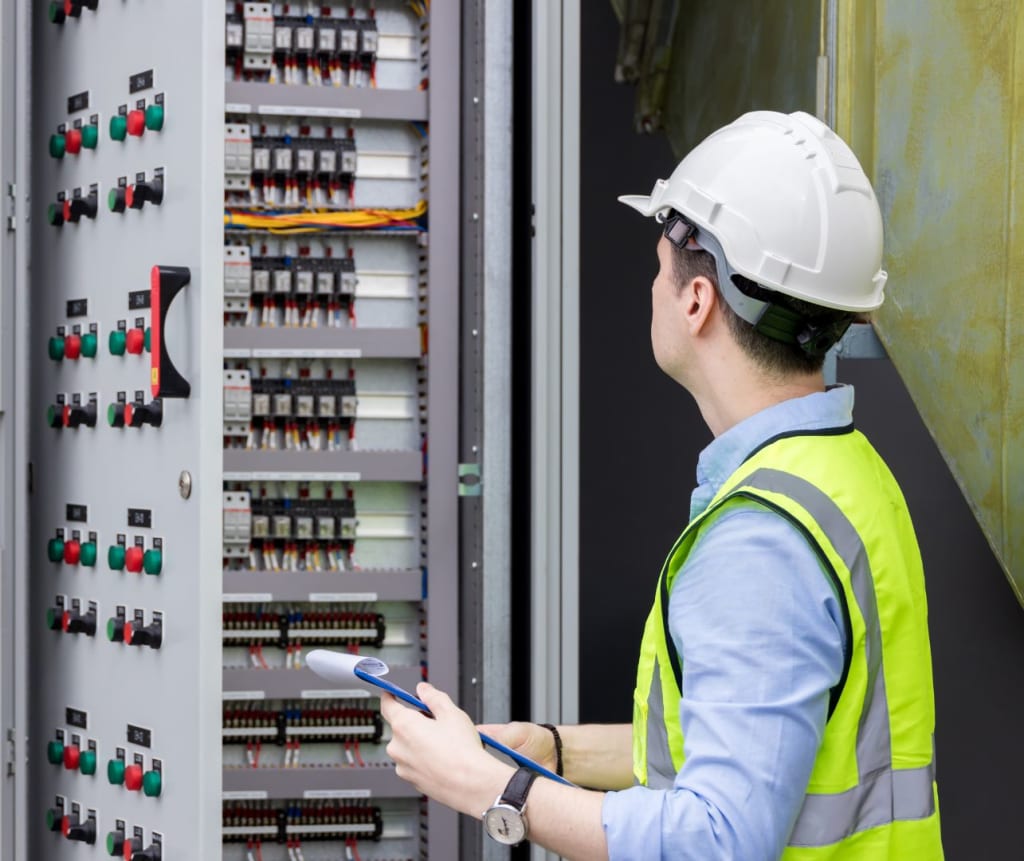
In the world of industrial and commercial operations, safety is paramount. Electrical control systems are essential for the functioning of machinery and equipment, but without proper safety standards, these systems can pose serious risks to both people and equipment.
Understanding the safety standards for electrical control systems not only ensures regulatory compliance but also protects lives, minimizes downtime, and increases operational efficiency. This article will break down what these standards are, why they matter, and the key components involved in maintaining safety in electrical control systems.
What Are Electrical Control Systems?
Electrical control systems manage and control the operations of various equipment and machinery. These systems include components like motor starters, circuit breakers, relays, sensors, and programmable logic controllers (PLCs). Together, these components control tasks, monitor the environment, and ensure that operations run smoothly and safely.
However, without proper safety measures, electrical control systems can become hazards. Short circuits, overheating, and equipment failure are just a few examples of potential dangers. That’s where safety standards come in.
The Role of Safety Standards in Electrical Control Systems
Safety standards serve as guidelines or regulations that outline the necessary measures to prevent accidents and ensure safe operation. For electrical control systems, safety standards aim to reduce risks like electrical shock, equipment damage, fire, and other hazards associated with electrical equipment. They provide a framework for designing, implementing, and maintaining systems to minimize these risks.
The key role of safety standards includes:
- Reducing Risks: By following these standards, companies can significantly lower the risk of electrical-related accidents.
- Protecting Workers: Safety standards ensure that workers operate in a safe environment, reducing injuries and fatalities.
- Ensuring Compliance: Most countries have legal requirements mandating compliance with certain safety standards. Following these standards helps companies avoid fines and legal liabilities.
- Improving Reliability: Standards enhance the reliability of electrical systems, minimizing downtime and optimizing productivity.
Major Safety Standards in Electrical Control Systems
There are several important standards for electrical control systems. Let’s look at a few of the most widely recognized:
1. IEC 60204-1 - Safety of Machinery - Electrical Equipment of Machines
The IEC 60204-1 standard from the International Electrotechnical Commission (IEC) provides guidelines for electrical equipment on industrial machinery. It covers various aspects, such as electrical equipment design, selection of components, wiring methods, and installation requirements. IEC 60204-1 is particularly important because it ensures that electrical machinery operates safely and reliably, reducing risks like electric shock, fire, and other hazards.
2. NFPA 79 - Electrical Standard for Industrial Machinery
The NFPA 79 standard, developed by the National Fire Protection Association (NFPA), focuses on electrical systems used in industrial machinery. It is commonly used in North America and emphasizes equipment safety, clear wiring, protective devices, and emergency stop mechanisms. NFPA 79 aligns closely with IEC 60204-1 but is tailored to meet U.S. and Canadian regulations.
3. ISO 13849-1 - Safety of Machinery - Safety-Related Parts of Control Systems
ISO 13849-1 provides requirements and guidance for the design of safety-related parts of control systems. It defines safety categories and performance levels, helping engineers assess the risks associated with specific machinery and select appropriate safety functions. This standard is essential for creating redundant, fault-tolerant systems to prevent accidents.
4. UL 508A - Standard for Industrial Control Panels
UL 508A is a standard developed by Underwriters Laboratories (UL) that specifies construction requirements for industrial control panels. It ensures that control panels are built and installed safely. This standard addresses the design, layout, wiring, and overall safety of control panels, covering critical elements like circuit protection and emergency disconnects.
5. ISO 12100 - Safety of Machinery - General Principles for Design
ISO 12100 is a comprehensive standard that provides a general framework for machinery safety. It guides the design of safe machinery, helping manufacturers and engineers identify and mitigate potential hazards. While this standard doesn’t apply exclusively to electrical control systems, it’s relevant in any context where machinery safety is a concern.
Key Elements in Electrical Control System Safety
Meeting safety standards requires implementing various measures to protect workers, equipment, and facilities. Here are some of the main components involved:
1. Risk Assessment
Risk assessment is the first step in developing a safe electrical control system. It involves evaluating the hazards associated with specific equipment or processes, assessing the likelihood and potential impact of these hazards, and determining the necessary safety measures. Standards like ISO 12100 and ISO 13849-1 provide guidance for conducting thorough risk assessments.
2. Emergency Stops
Emergency stop devices are critical components of electrical control systems. These buttons or levers allow workers to quickly shut down equipment in an emergency, preventing potential accidents or further damage. Emergency stops must be clearly marked, easily accessible, and comply with relevant standards to ensure effectiveness.
3. Protective Devices and Guards
Protective devices such as fuses, circuit breakers, and relays prevent electrical overloads and faults. Meanwhile, physical guards prevent workers from accessing moving parts or dangerous areas while equipment is running. Standards like NFPA 79 and IEC 60204-1 emphasize the use of protective devices and guards to improve safety.
4. Safety Circuits
Safety circuits are specially designed circuits that detect faults and trigger responses to protect operators and equipment. For example, if a machine's door is opened during operation, the safety circuit might cut power to prevent accidental injury. Standards like ISO 13849-1 classify safety circuits based on their level of reliability and fault tolerance.
5. Lockout/Tagout Procedures
Lockout/tagout (LOTO) is a safety procedure used to ensure that machines are properly shut off and cannot be started up again before maintenance or repair work is completed. LOTO procedures are essential in preventing accidental startup, which could lead to severe injury or even death.
The Importance of Regular Maintenance and Training
Meeting safety standards isn’t just about design; it also requires regular maintenance and proper training for operators. Even the best-designed systems can degrade over time due to wear and tear. Regular inspections, testing, and maintenance ensure that safety devices, emergency stops, and circuits function as intended.
Additionally, employees should receive ongoing training on how to operate equipment safely and respond in case of emergencies. Awareness and understanding of safety standards play a big role in preventing accidents.
Understanding and implementing safety standards for electrical control systems is crucial for any organization that relies on machinery. These standards provide a framework for reducing hazards, protecting workers, and maintaining compliance with legal requirements. By following safety standards like IEC 60204-1, NFPA 79, ISO 13849-1, and others, organizations can improve safety, reliability, and productivity.
For anyone involved in designing, installing, or operating electrical control systems, familiarizing yourself with these standards is key to creating a safe working environment. Whether through protective devices, emergency stops, or regular risk assessments, each element plays a vital role in keeping people and equipment safe.
About the Creator
Jason Sky
Hey, I am Jason Sky, and I'm an electrical engineer with over a decade of experience in the field. I'm proud to say that I've played a key role in many significant projects over the years.
eCommerce Development vs Shopify Development Services: Key Differences
When businesses decide to sell online, one of the first major decisions they face is how to build their digital storefront. Some choose a fully customized approach, while others opt for a ready-to-use platform that promises speed and simplicity. This is where the comparison between eCommerce Development and Shopify development services becomes important.
By Jane Smith7 days ago in Journal


Comments
There are no comments for this story
Be the first to respond and start the conversation.