
Understanding Presenilin 1 and Its Role in Neurodegeneration
anti-PSEN1 antibody

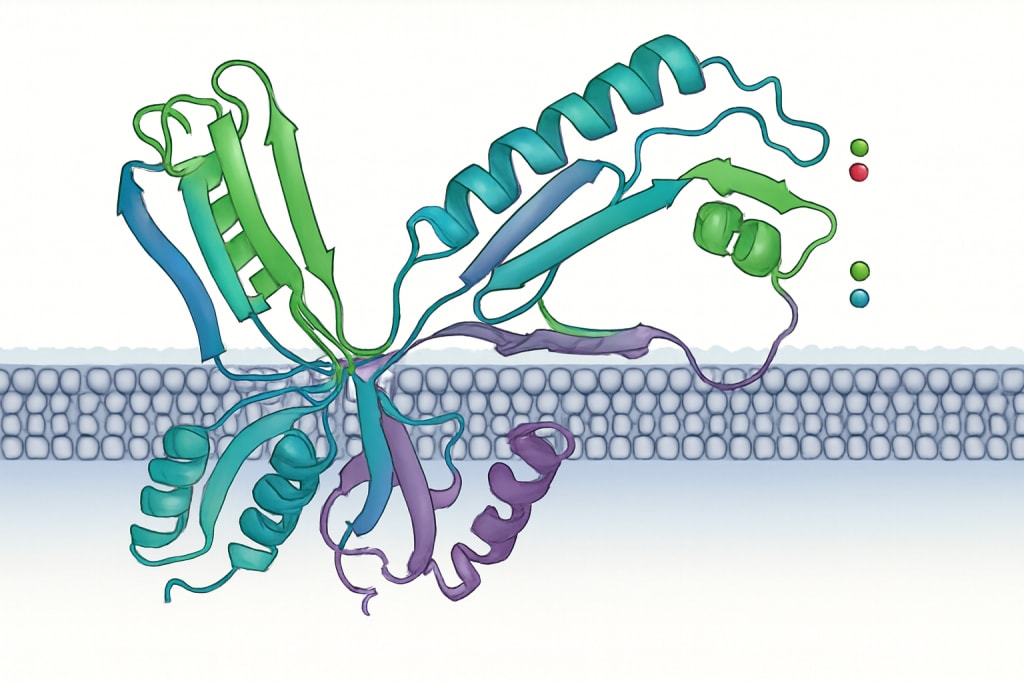
Presenilin 1 (PSEN1) of among the most critically studied proteins in neuroscience, particularly within the context of Alzheimer's disease research.
The anti-PSEN1 antibody serves as an essential tool for scientists investigating the molecular mechanisms underlying both familial and sporadic forms of neurodegeneration.
This polyclonal antibody recognizes explicitly human, mouse, and rat PSEN1 epitopes, making it invaluable across diverse experimental models and human tissue analyses.
The Molecular Function of PSEN1
PSEN1 functions as the catalytic subunit of γ-secretase, an intramembranous aspartyl protease with multiple type I membrane protein substrates. The protein's primary biological significance stems from its role in processing the amyloid precursor protein (APP), where sequential cleavage by BACE and γ-secretase releases amyloid-beta peptides—the hallmark pathological hallmark in Alzheimer's brains. Beyond APP cleavage, PSEN1 participates in the regulated intramembrane proteolysis (RIP) of numerous transmembrane proteins, including Notch, a key regulator of developmental signaling pathways.
Familial Alzheimer's Disease and PSEN1 Mutations
Mutations in the PSEN1 gene account for the majority of familial Alzheimer's disease (FAD) cases, making this protein a focal point for genetic and translational research. Contrary to earlier hypotheses, research demonstrates that pathogenic PSEN1 mutations characteristically suppress rather than enhance γ-secretase activity and Aβ production, operating through a dominant-negative mechanism. This loss-of-function paradigm has shifted therapeutic thinking toward restoring presenilin function rather than simply inhibiting APP processing.
Approximately 67 of 104 characterized pathogenic mutations cause severe reduction (>95%) of Aβ40 production, highlighting the heterogeneity of molecular consequences across different mutation types. Importantly, PSEN1 is essential for synaptic function, learning, and memory, as well as neuronal survival during aging—functions that may be compromised in disease states.
Essential Functions Beyond Aβ Production
Recent research emphasizes PSEN1's neuroprotective roles that extend beyond amyloid-beta metabolism. The protein is necessary for maintaining cellular homeostasis, regulating calcium signaling, and controlling neuronal apoptosis. Evidence from presenilin knockout studies in mice demonstrates that loss of PSEN1 function triggers profound deficits in learning and memory formation, suggesting that the neurotoxicity in FAD may result from inadequate presenilin function rather than a pathogenic gain of function.
This mechanistic understanding underscores the importance of detecting and quantifying PSEN1 across tissue types and experimental conditions. The anti-PSEN1 antibody enables researchers to monitor presenilin expression levels, assess cellular localization, and investigate post-translational modifications critical to disease pathogenesis.
Experimental Applications and Methodology
The anti-PSEN1 antibody is validated across four major research applications: Western blotting (WB), immunohistochemistry (IHC), ELISA, and immunofluorescence (IF). Western blotting applications typically employ dilutions of 1:500–1:1000, while IHC protocols utilize 1:50–1:100 dilutions on paraffin-embedded or frozen tissues. ELISA applications often require 1:5000 dilutions, reflecting the sensitivity and specificity of sandwich immunoassay formats.
For IHC applications, the antibody effectively penetrates paraffin-embedded tissue sections, permitting visualization of PSEN1 localization within specific neuronal populations and cellular compartments. Immunofluorescence studies benefit from the antibody's cross-reactivity across mammalian species, enabling comparative studies across different model organisms.
Research Relevance Across Multiple Disciplines
Beyond Alzheimer's disease research, PSEN1 research extends to frontotemporal dementia, as recent genetic analyses have linked specific PSEN1 variants to the pathogenesis of frontotemporal dementia. Researchers investigating synaptic plasticity, developmental neurobiology, and cellular stress responses all benefit from precise detection and quantification of PSEN1.
The monoclonal antibody's purification via antigen affinity chromatography ensures consistent performance across batches, providing the reproducibility essential for longitudinal studies and multi-center research collaborations.
Conclusion
The anti-PSEN1 antibody is an indispensable research reagent for investigators seeking to understand presenilin biology, Alzheimer's disease pathogenesis, and neuronal cell biology. By enabling precise detection of PSEN1 across multiple experimental platforms, this antibody facilitates the translational research necessary to develop targeted interventions for neurodegenerative diseases. Whether investigating mutation-specific effects, monitoring presenilin expression during aging, or studying therapeutic interventions, researchers can rely on this antibody's validated performance across Western blotting, immunohistochemistry, and ELISA applications.
About the Creator
Mia Bella
A beauty enthusiast and expert, Mia Bella is dedicated to sharing the latest trends, tips, and product reviews. With a passion for skincare and makeup, she empower others to enhance their natural beauty and confidence.
Author’s Advice
If you would’ve asked me 20 years ago did I know I’d become a writer and an author, I would’ve said “nope, ain’t happening”. As fate would have it I did become an author and I can honestly say I’m loving it so far. It really does feel good to be a writer. I’ve learned a lot on this journey and I feel like with even me being as new to this world as I am, there’s some wisdom I need to share with every other aspiring author.
By Joe Patterson5 days ago in Journal




Comments