
Crude Oil Prices: Global Trends, Factors, and Future Forecast
Crude Oil Prices: Global Trends, Market Factors, and Economic Impact


Crude oil prices influence the global economy, fuel costs, and energy markets. Learn what drives crude oil prices, current trends, and how the price of oil impacts businesses and consumers worldwide.
Crude oil prices play a critical role in shaping the global economy, affecting everything from transportation costs to electricity production. Because crude oil is one of the world’s most important energy resources, fluctuations in crude oil prices can influence inflation, trade balances, and economic growth. Governments, businesses, and investors closely monitor the price of oil to understand market conditions and future energy trends.
The oil market is complex and influenced by many factors, including geopolitical events, supply and demand, production decisions by major oil-producing countries, and global economic activity. When oil prices rise, fuel and transportation costs often increase, which can affect businesses and consumers alike.
In this article, we will explore what drives crude oil prices, how the crude oil price is determined, and what future trends may mean for the global economy.
What Are Crude Oil Prices?
Crude oil prices refer to the market value of unrefined petroleum extracted from underground reservoirs. The price represents how much buyers are willing to pay for a barrel of crude oil before it is refined into products such as gasoline, diesel, or jet fuel.
The crude oil price is typically quoted per barrel and varies depending on market conditions. Two of the most widely used global benchmarks for oil prices include:
- West Texas Intermediate (WTI)
- Brent Crude
These benchmarks help determine the global price of oil and serve as reference points for international trading.
Oil markets operate similarly to other commodity markets, where prices fluctuate based on supply, demand, and economic expectations.
Major Factors That Influence Crude Oil Prices
Several factors can cause crude oil prices to rise or fall rapidly. Understanding these influences helps investors, policymakers, and businesses anticipate market changes.
Global Supply and Production Levels
One of the most important drivers of crude oil prices is the balance between supply and demand. When oil production increases significantly, oil prices often fall because the market becomes oversupplied.
Major oil-producing countries such as Saudi Arabia, the United States, and Russia have a significant impact on the global supply of crude oil. Organizations like OPEC (Organization of the Petroleum Exporting Countries) sometimes coordinate production cuts or increases to stabilize oil prices.
When production is reduced, the price of oil tends to increase due to limited supply.
Global Demand for Energy
Demand for energy is another key factor affecting crude oil prices. Economic growth typically leads to increased demand for transportation, manufacturing, and electricity generation, which raises oil consumption.
Countries with large economies such as China, the United States, and India are major consumers of crude oil. When their economies expand, global oil prices often increase.
However, during economic slowdowns or recessions, demand for energy declines, which can push the crude oil price downward.
Geopolitical Events
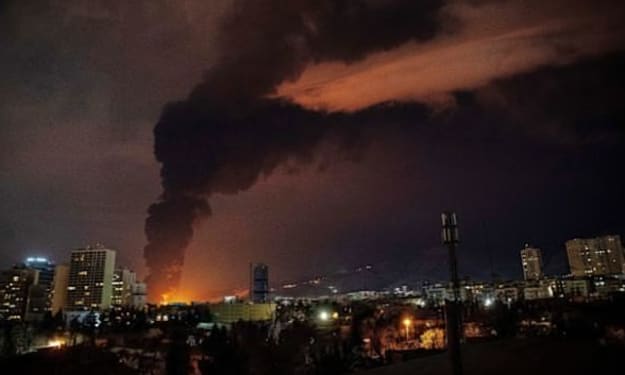
Political instability in oil-producing regions can significantly influence crude oil prices. Conflicts, sanctions, and trade restrictions can disrupt supply chains and reduce the availability of oil in global markets.
For example, tensions in the Middle East or sanctions on oil-exporting nations can lead to sudden spikes in oil prices due to concerns about supply disruptions.
These geopolitical risks often make the oil market highly volatile.
How the Crude Oil Price Is Determined
The crude oil price is primarily determined through trading in global commodity markets. Oil futures contracts are traded on major exchanges such as the New York Mercantile Exchange (NYMEX) and the Intercontinental Exchange (ICE).
Traders buy and sell oil futures based on expectations about future supply, demand, and economic conditions. This trading activity helps establish the daily price of oil.
Financial institutions, hedge funds, and energy companies all participate in these markets, making oil prices sensitive to both economic data and investor sentiment.
Impact of Oil Prices on the Global Economy
Changes in oil prices can have widespread economic effects across industries and countries.
Transportation and Fuel Costs
When crude oil prices increase, the cost of gasoline and diesel usually rises as well. This affects transportation companies, airlines, shipping firms, and everyday commuters.
Higher fuel costs can also increase the price of goods because transportation becomes more expensive.
Inflation and Consumer Spending
Rising oil prices often contribute to inflation. As energy costs increase, businesses may pass those expenses on to consumers in the form of higher prices for products and services.
On the other hand, when oil prices decline, consumers typically benefit from lower fuel costs, which can increase spending in other sectors of the economy.
Impact on Oil-Producing Countries
Countries that rely heavily on oil exports benefit when crude oil prices are high. Increased revenue from oil sales can boost government budgets and economic development.
However, if oil prices fall sharply, these countries may face financial challenges due to reduced export income.
Historical Trends in Crude Oil Prices
Over the past several decades, crude oil prices have experienced dramatic fluctuations.
During the 1970s oil crisis, the price of oil increased significantly due to supply restrictions by major oil-producing nations. More recently, global events such as financial crises, pandemics, and geopolitical tensions have also caused major swings in oil prices
For example:
- In 2008, oil prices surged to record highs due to strong global demand.
- In 2020, the COVID-19 pandemic caused a historic drop in oil demand, briefly pushing some crude oil prices into negative territory in futures markets.
These events highlight how sensitive the oil market is to global economic conditions.
The Future Outlook for Oil Prices
Predicting future crude oil prices can be challenging because the market depends on many unpredictable factors.
However, several trends are expected to shape oil prices in the coming years.
Energy Transition and Renewable Energy
As countries invest in renewable energy sources such as solar, wind, and electric vehicles, demand for crude oil may gradually decline.
The global transition toward cleaner energy could reduce long-term dependence on oil and influence future oil prices.
Technological Advances in Oil Production
Technological innovations, including hydraulic fracturing and offshore drilling, have increased the ability to extract crude oil from previously inaccessible reserves.
These advancements may help stabilize the crude oil price by expanding global supply.
Economic Growth in Emerging Markets
Developing economies continue to increase their energy consumption. Rapid urbanization and industrial growth in emerging markets may sustain demand for oil, which could support higher oil prices in the future.
Why Monitoring Crude Oil Prices Matters
Tracking crude oil prices is important for governments, investors, and businesses because energy costs influence nearly every sector of the economy.
Financial markets often react quickly to changes in oil prices, and investors frequently analyze energy trends to make strategic decisions.
Understanding how the crude oil price moves can also help policymakers develop effective energy policies and economic strategies.
Conclusion
Crude oil prices remain one of the most important indicators in the global economy. Because oil is essential for transportation, manufacturing, and energy production, changes in crude oil prices can influence inflation, economic growth, and international trade.
The price of oil is shaped by a complex combination of supply and demand, geopolitical events, and economic trends. As the world transitions toward renewable energy sources, the oil market may experience significant changes in the years ahead.
Despite these shifts, crude oil will likely remain a crucial energy resource for decades. Monitoring oil prices and understanding the factors that influence them will continue to be essential for businesses, investors, and policymakers around the world.
About the Creator
Vincent Otiri
I'm a passionate writer who crafts engaging and insightful content across various topics. Discover more of my articles and insights on Vocal.Media.
Keep reading
More stories from Vincent Otiri and writers in Journal and other communities.
Ryan Gosling: Biography, Career, Movies, and Hollywood Influence
Ryan Gosling is one of Hollywood’s most versatile actors, known for films like The Notebook, La La Land, and Barbie. Discover Ryan Gosling’s biography, career highlights, awards, and influence on modern cinema
By Vincent Otiri4 days ago in Journal
Why Community Outreach Is Essential for Modern Business Growth
In an era where brands compete not just for sales but for attention, trust, and loyalty, traditional marketing alone no longer moves the needle. Today’s consumers — especially in culturally rich and diverse markets — look beyond products and services. They seek connection, meaning, and impact. In that context, community outreach has emerged as a powerful force in how businesses build lasting relationships and real influence.
By Branding Alohaabout 9 hours ago in Journal
📢 Raise Your Voice Thread: 03/05/2026
Our “Raise Your Voice Threads” are hosted most alternating Thursdays at 12PM ET to offer creators more avenues to uncover exceptional stories on Vocal. As we are continuously searching for fresh creators and inspiring stories, this thread provides an opportunity to exchange and discuss the stories that have moved and motivated us on Vocal.
By Raise Your Voice by Vocal7 days ago in Resources



Comments
There are no comments for this story
Be the first to respond and start the conversation.