
"Understanding NASDAQ: A Comprehensive Guide to the World's First Electronic Stock Exchange"
"A Beginner's Guide to Investing on the Nasdaq"
NASDAQ: A Brief Overview
The NASDAQ (National Association of Securities Dealers Automated Quotations) is a stock exchange located in New York City, United States. It is the second largest stock exchange in the world by market capitalization, after the New York Stock Exchange (NYSE). The NASDAQ was founded in 1971 and is known for its electronic trading platform, which allows for faster and more efficient trading compared to traditional stock exchanges.
One of the main differences between the NASDAQ and the NYSE is that the NASDAQ is a dealer's market, meaning that it does not have a physical trading floor and all trades are executed electronically. In contrast, the NYSE is an auction market, where traders gather on a physical trading floor to buy and sell securities.
The NASDAQ is home to many technology and internet companies, such as Apple, Microsoft, and Amazon. These types of companies are known as "Nasdaq-listed" companies. The NASDAQ is also known for its high volatility, with stocks on the exchange known to experience significant price fluctuations on a daily basis.
A Brief History of NASDAQ
The NASDAQ was founded in 1971 as the world's first electronic stock exchange. Prior to this, stock trading was done manually through a process known as "open outcry," where traders would shout out their buy and sell orders on a physical trading floor. The NASDAQ was created as a way to streamline this process and make it more efficient.
In the early days of the NASDAQ, it was known as the "over-the-counter" (OTC) market, as it was not a physical exchange like the NYSE. Instead, it was a network of dealers who traded securities with each other over the phone or through electronic means.
As the NASDAQ grew in popularity and the number of listed companies increased, it became a recognized stock exchange in its own right. In 2007, the NASDAQ completed its merger with the Stockholm Stock Exchange, becoming the first transatlantic stock exchange. Today, the NASDAQ is a global exchange with listings from companies around the world.
The Future of NASDAQ in 2023
It's difficult to predict exactly what the future holds for the NASDAQ, but there are a few trends that are likely to continue in the coming years.
First, the use of technology in the financial industry is expected to increase significantly in the coming years. The NASDAQ, being an electronic exchange, is well-positioned to take advantage of this trend. The exchange is likely to continue to invest in and adopt new technologies to improve the efficiency and speed of its trading platform.
Second, the NASDAQ is expected to continue to attract technology and internet companies. These types of companies have become increasingly important in the global economy and are expected to continue to grow in the coming years. The NASDAQ's reputation as a home for these types of companies is likely to attract more listings in the future.
Finally, the global economy is expected to continue to grow in the coming years, which could lead to increased activity on the NASDAQ. As more companies go public and raise capital through the exchange, trading volume is likely to increase.
Overall, the NASDAQ is well-positioned for the future and is likely to continue to be a major player in the financial world in 2023 and beyond.
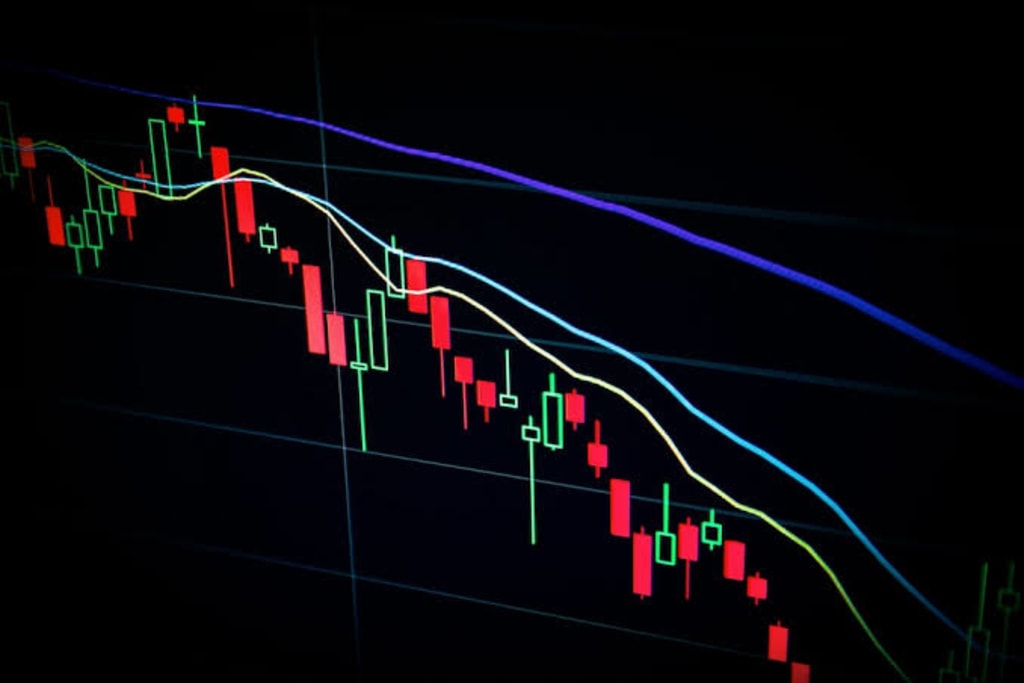
The NASDAQ is known for its high volatility, which can be both a blessing and a curse for investors. On the one hand, high volatility can lead to significant price movements in a short period of time, which can be lucrative for traders who are able to capitalize on these movements. On the other hand, high volatility can also lead to significant losses for those who are unprepared or unable to weather the storm.
One way that investors can mitigate the risks associated with high volatility is by diversifying their portfolios. This means investing in a variety of different types of assets, such as stocks, bonds, and real estate, rather than putting all of their eggs in one basket. Diversification can help to reduce the overall risk of an investment portfolio and can make it more resilient to market fluctuations.
In addition to diversification, investors can also use risk management techniques such as stop-loss orders to help protect their portfolios against significant losses. A stop-loss order is an order that is placed with a broker to sell a security when it reaches a certain price. This can help to limit an investor's potential losses if the price of a security falls unexpectedly.
Despite the risks associated with high volatility, the NASDAQ remains a popular destination for investors due to the potential for high returns. With its reputation as a home for technology and internet companies, the NASDAQ is likely to continue to attract investors in the coming years. As such, it will be important for investors to remain cautious and to carefully consider their risk tolerance and investment strategy when considering investing in the NASDAQ.
About the Creator
Keep reading
More stories from Aravindhan T and writers in Journal and other communities.
The Importance of Data in the Digital Age
Data is a vital component in our digital world, and it's hard to go a day without interacting with it in some way. Whether it's through the search queries we type into Google, the posts we share on social media, or the online purchases we make, data is constantly being collected and used to improve our experiences and inform decision making.
By Aravindhan T3 years ago in Education




Comments
There are no comments for this story
Be the first to respond and start the conversation.