
Understanding Food Labels.
A Comprehensive Guide to Navigating Nutritional Information.


Introduction:
In today's fast-paced world, many of us are reliant on processed foods for convenience and quick sustenance. While these products can provide an easy meal solution, they can also be a minefield of confusing and misleading information. Understanding food labels and how to interpret the nutritional information is essential for making informed food choices and maintaining a healthy diet. With the abundance of processed foods available in the market, it is not uncommon to be overwhelmed by the vast array of nutritional information present on food packaging. The purpose of this article is to provide a comprehensive guide to help individuals make informed food choices by understanding the key elements of nutritional information.
Nutritional Information:
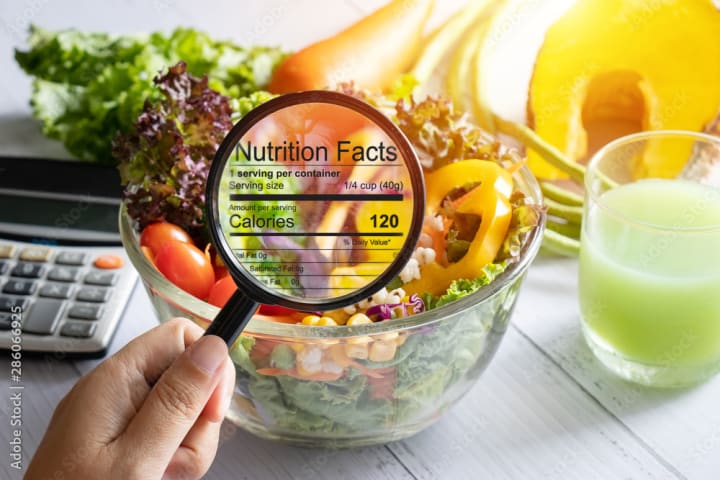
Food labels provide a wealth of information about the nutritional content of the food item. It is crucial to understand the terms used and what they mean to make the most out of this information. The following is a breakdown of the key elements of nutritional information found on food labels:
Serving size: This indicates the amount of food that constitutes one serving, and all the subsequent nutritional information is based on this serving size. It is essential to check this before evaluating the rest of the information. It is common for individuals to consume more than one serving of a food item, so it is important to take note of the serving size to ensure an accurate calculation of the total nutritional intake.
Calories: This indicates the amount of energy a serving of the food item provides. The calorie count is important to consider when monitoring energy intake, especially for individuals who are trying to lose weight or maintain a healthy weight. A general guideline is to aim for a balanced diet that provides between 1,200 to 2,000 calories per day, depending on age, gender, weight, and activity level.
Fat: The label will indicate the total amount of fat in a serving, along with the amounts of saturated and trans fats. Saturated fats are considered harmful to health, while trans fats are considered the worst form of fat and should be avoided. It is recommended to limit saturated fat intake to less than 10% of total daily calorie intake and to avoid trans fats altogether.
Cholesterol: This indicates the amount of cholesterol in a serving of the food item. High cholesterol levels are associated with an increased risk of heart disease, so it is important to be mindful of cholesterol intake. The American Heart Association recommends a daily cholesterol intake of less than 300 milligrams per day.
Sodium: This indicates the amount of sodium in a serving of the food item. High sodium intake is linked to high blood pressure, which is a risk factor for heart disease. The American Heart Association recommends a daily sodium intake of less than 2,300 milligrams per day, with an ideal limit of no more than 1,500 milligrams per day for most adults.
Total Carbohydrates: This indicates the total amount of carbohydrates in a serving of the food item, including both dietary fiber and sugar. Carbohydrates are a primary source of energy, so it is important to have a sufficient intake to fuel the body. It is recommended to aim for a balanced diet that provides between 130 to 300 grams of carbohydrates per day, depending on age, gender, weight, and activity level.
Dietary Fiber: This indicates the amount of fiber in a serving of the food item. Fiber is essential for digestive health and helps keep us feeling full. It is recommended to aim for a daily fiber intake of at least 25 grams per day for women and 38 grams per day for men.
Sugar: This indicates the amount of sugar in a serving of the food item. High sugar intake is linked to several health problems, including obesity, type 2 diabetes, and heart disease, so it is important to be mindful of sugar intake. The World Health Organization recommends limiting added sugar intake to no more than 10% of total daily calorie intake.
Protein: This indicates the amount of protein in a serving of the food item. Protein is an essential nutrient that helps build and repair tissues and supports a healthy immune system. It is recommended to aim for a daily protein intake of at least 0.8 grams per kilogram of body weight.
Vitamin and Mineral Content: Many food labels also provide information on the vitamin and mineral content of the food item. This information can be especially helpful for individuals who are trying to get adequate amounts of specific vitamins and minerals in their diet. For example, calcium is important for strong bones and teeth, while vitamin C is important for a healthy immune system.
To conclude, food labels can provide a wealth of information to help individuals make informed food choices and maintain a healthy diet. Understanding the key elements of nutritional information and how to interpret them is crucial for making the most out of this information. By being mindful of serving size, calories, fat, cholesterol, sodium, total carbohydrates, dietary fiber, sugar, protein, and vitamin and mineral content, individuals can make informed food choices and achieve their health and wellness goals.
Sources:
American Heart Association. (2021). Sodium and Salt. Retrieved February 5, 2023, from https://www.heart.org/en/healthy-living/healthy-eating/eat-smart/sodium/sodium-and-salt
American Heart Association. (2021). Understanding Cholesterol Levels. Retrieved February 5, 2023, from https://www.heart.org/en/health-topics/cholesterol/understanding-cholesterol-levels
American Heart Association. (2021). Understanding Total Carbohydrates. Retrieved February 5, 2023, from https://www.heart.org/en/healthy-living/healthy-eating/eat-smart/nutrition-basics/understanding-total-carbohydrates
World Health Organization. (2021). Sugars intake for adults and children. Retrieved February 5, 2023, from https://www.who.int/nutrition/publications/guidelines/sugars_intake/en/
About the Creator
KEPHA TAI
As a content writer, the content I write offers valuable insights, information, and inspiration to readers. Whether you're looking to improve your health, explore new ideas, or be entertained, my content provides something for everyone.
Lineups Outside the Door for Winnipeg Gold Retailers as Prices Surge
In Winnipeg, Manitoba, a remarkable phenomenon has been catching locals’ attention: queues of customers lining up outside gold retailers as the price of gold continues its historic ascent. Business owners, jewellers, and coin dealers alike are reporting spikes in both buying and selling activity, signalling a renewed fascination with the precious metal among everyday consumers and investors. This trend reflects broader economic forces at play—and it’s reshaping how people in Canada’s heartland think about wealth and financial security.
By Salaar Jamali2 days ago in Journal
📢 Raise Your Voice Thread: 01/22/2026
Our “Raise Your Voice Threads” are hosted most alternating Thursdays at 12PM ET to offer creators more avenues to uncover exceptional stories on Vocal. As we are continuously searching for fresh creators and inspiring stories, this thread provides an opportunity to exchange and discuss the stories that have moved and motivated us on Vocal.
By Raise Your Voice by Vocala day ago in Resources



Comments
There are no comments for this story
Be the first to respond and start the conversation.