
Understanding FDA Food Regulations
Learn FDA food regulations, labeling requirements, facility registration, FSMA rules, food imports, additives and packaging compliance for food businesses.


Food businesses in the United States are required to follow strict compliance to federal regulations intended to safeguard public health. In order to make sure that all food business manufacturers align with the Federal regulations, the U.S. Food and Drug Administration (the “FDA”) was established. FDA keeps eye on all the processes involved in food business operations. That is from start to finish. They keep a watch from how food is manufactured and labelled to how it is packaged and imported.
In simple words, they make sure that every step involved in food manufacturing (domestic and foreign facilities) and importing, aligns with FDA food safety rules. Hence, comprehensive knowledge of FDA food facility registration, FDA food labeling requirements and related FDA approval procedures is not a voluntary act. It is a mandatory legal responsibility which every food business should follow if they fall into the registration criteria.
The U.S. food regulatory system core focus is to draw attention towards prevention, transparency and accountability. Whether you are a small bakery owner or govern large-scale food manufacturing facilities, regulatory compliance is equally mandatory to building trust and avoiding costly enforcement actions.
Role of The Food and Drug Administration (the “FDA”) in Food Safety
FDA operates under federal authority. They are accountable for implementing US food safety laws. The FDA department was established under the pretext and mission to check that food products sold in the U.S. are safe, properly labeled, wholesome and produced under sanitary conditions.
Its Regulatory Framework
FDA regulatory framework covers complete food manufacturing compliance. Your food’s safety net. The FDA uses science to approve ingredients, check imports, and ensure honest labels and safe packaging. All so you can shop and eat with confidence. Thus, guaranteeing food safety compliance across the supply chain.
Science-Based Risk Prevention
FDA regulatory compliance systems give priority to prevention. Rather than responding to the foodborne epidemics. FDA regulations’ main focal point is on identifying potential risks before they harm consumers. And for their core mission, FDA relies on hazard analysis and risk-based controls.
Empowering Consumers Through Transparency
FDA mission is to maintain the public health graph. To fulfil their mission, they encourage packaging with clear labeling. In other words, accurate labeling is a key part of FDA regulations for food businesses. The clear labeling rule empowers customers to verify nutrition transparency. Thus, helping consumers to align food choices with their dietary needs and wellness goals.
Why Food Businesses Should Align with FDA Compliance
As a food manufacturer in the United States, you should not think of aligning with FDA compliance as to fulfil a legal obligation. Rather FDA compliance protects more than just consumers. It protects your brand. Businesses that overlook FDA regulatory compliance for food companies, they are endangering recalls, import detentions, fines and reputational damage. On the contrary, food manufacturers and companies aligning with compliance profit from smoother operations, consumer trust and long-term growth.
FDA Food Facility Registration
Who Must Register
Any domestic or foreign food manufacturing facilities that produce, process, pack, or hold food for consumption in the U.S. must complete FDA food facility registration. This applies to manufacturers, processors, warehouses and packaging facilities.
When and How Registration is Required
Registration must be completed before operations begin and renewed every two years. Facilities must also update the FDA when ownership, location, or activity changes.
Compliance Responsibilities of Registered Food Manufacturing Facilities
- Registered facilities must sustain sanitary conditions that meet up to the FDA enforcement rules.
- Further, they must be prepared for inspections.
- Registration places run their business under FDA oversight.
- Overall, making compliance a continuing responsibility to be fulfilled at every food manufacturing process.
FDA Food Labeling Requirements
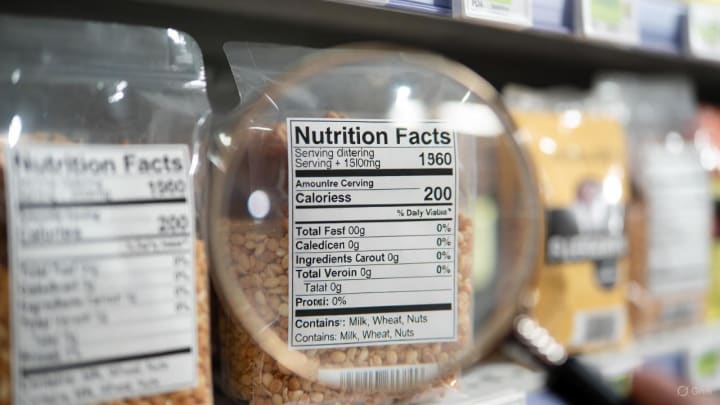
The FDA's food label rules are about trust and safety, not just a checklist. It’s a promise, printed plainly, from their hands to yours. That small label isn't just a list. It's a promise from the people who made your food to you.
It answers the simple, important questions you have a right to ask: "What's in this?" "Who made it?" .It’s trust, packaged. It's anchored by a vital promise: your safety. If there's even a whisper of milk, nuts, or other common allergens, the label shouts it. For the 1 in 13 U.S. kids and 1 in 10 adults with food allergies, this isn't fine print. It's peace of mind, right there on the shelf. This constitutes the total number of 32 million Americans having food allergies that can instantly take their lives.
FDA Food Safety Modernization Act (FSMA)
In the past, food safety often worked like a warning bell. Ringing only after someone fell ill. Now, it's about building protection in advance. FSMA makes food companies stop and think: Where could things go wrong? Then they have to build strong safety plans to prevent problems at every step. If food comes from overseas, importers must check that their suppliers follow the same careful rules.It's a smarter, more focused way of protecting our meals. Putting the closest watch on the facilities where safety matters most.

FDA Food Import Regulations
FDA food import regulations require imported food products to meet the same safety standards as domestic products. The FDA Food Safety Modernization Act (FSMA) changed the entire goal of food safety: from cleaning up problems after they happen, to stopping them before they ever reach you. It’s a proactive promise of protection.
FDA Food Additive Approval Process
Think of food additives as your meal's helpful sidekicks. They are the special touches that enhance flavor, perfect texture, and keep your food fresh and enjoyable for longer. Before being allowed in our food, most of these must pass an official FDA safety review. Some common ingredients, however, are already accepted as safe. For everything else, the FDA carefully studies the science first to make sure an additive is completely safe for the way we eat it, only approving it once that's confirmed.
FDA Food Contact Substance Notifications
Food contact materials such as containers, coatings and packaging. Must be safe for use with food. The FDA food contact substance notifications process ensures materials do not transfer harmful substances into food. Businesses using custom printed food packaging must ensure inks, adhesives and materials meet FDA food packaging safety standards. This is especially and equally important for bakeries and food retailers using customized printed boxes.
The Practical Takeaway
FDA compliance is not just a legal requirement. This commitment forms the very foundation of food safety, built to protect people above all. When a company registers correctly, labels truthfully, follows strict safety steps, and uses only approved ingredients, it's not just about checking boxes. It's choosing to protect the people who bring its food home.
For a food business, embracing these rules is a powerful choice. It’s about earning something far more valuable: trust. In the food industry, where confidence is everything, doing right by your customers is the surest path to lasting success.
About the Creator
Cristina Baker
I’m Cristina Baker, a business and market expert with 8+ years of experience helping brands and entrepreneurs grow. I share insights, strategies, and ideas that inspire growth, spark curiosity, and turn challenges into actionable results.
Keep reading
More stories from Cristina Baker and writers in Journal and other communities.
Growing My Tea Business Through Social Media
I’ve been producing tea for a while now. It started small, just me, my love for tea, and a handful of local customers who appreciated the quality and care I put into every batch. I wasn’t thinking about growing a business; I was just doing what I loved — handpicking leaves, blending flavors, and sharing the joy of tea with anyone who wanted it. Every morning felt like a small celebration: the aroma of fresh tea leaves, the sound of leaves rustling, and the satisfaction of creating something meaningful.
By Cristina Baker3 months ago in Journal


Comments
There are no comments for this story
Be the first to respond and start the conversation.