
Gold Rises as Trump Tariff Defeat Throws Trade Deals Into Doubt
Trade uncertainty sparks safe-haven demand as gold climbs amid shifting tariff policy outlook.
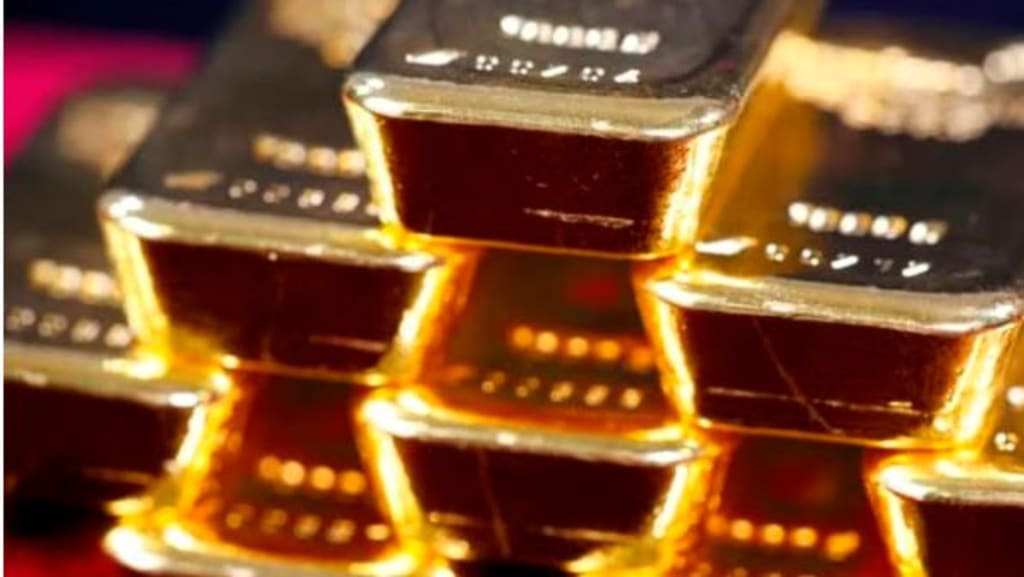
A Sudden Shift in Trade Policy Momentum
Tariffs have long been a cornerstone of Trump’s economic approach, framed as tools to rebalance trade relationships and revive domestic manufacturing. However, recent legal and political hurdles have weakened the foundation of these measures. The latest defeat has cast uncertainty over existing and future trade agreements, particularly those negotiated under aggressive tariff frameworks.
Markets dislike uncertainty more than almost anything else. When clarity around trade policy fades, investors often pivot toward assets perceived as stable and reliable. Gold, historically regarded as a hedge against geopolitical tension and economic volatility, tends to benefit in such environments.
The recent rise in gold prices signals that investors are bracing for potential disruptions. If tariff policies are rolled back, restructured, or delayed, trade partners may reconsider negotiations, leading to prolonged diplomatic and economic friction.
Why Gold Is Responding So Strongly
Gold’s rally is not merely a symbolic reaction. It reflects tangible concerns across financial markets. Trade disputes can disrupt supply chains, increase business costs, and dampen corporate investment. When policy outcomes become unpredictable, markets price in the risk of slower economic growth.
Moreover, tariff instability can influence currency markets. A weaker U.S. dollar often accompanies trade-related uncertainty, and gold typically moves inversely to the dollar. As confidence in trade policy falters, dollar softness can amplify gold’s upward momentum.
Institutional investors, hedge funds, and even retail traders have increased allocations to precious metals in recent sessions. Exchange-traded funds backed by physical gold have reported renewed inflows, underscoring the asset’s defensive appeal.
Trade Deals in Question
The broader concern is what this defeat means for existing and prospective trade agreements. Tariff leverage has often served as a bargaining chip in negotiations with key partners. Without a clear path forward, countries engaged in talks may pause or reconsider commitments.
During Trump’s tenure, tariff measures targeted major economic players, including China and the European Union. While some agreements were reached, many negotiations remained delicate. Any perception that tariff authority is weakened could alter the dynamics of ongoing discussions.
Businesses that depend on stable trade conditions are now left reassessing risk. Multinational corporations, manufacturers, and agricultural exporters could face prolonged uncertainty, complicating long-term planning.
Market Volatility Extends Beyond Gold
While gold captured headlines, the broader financial landscape also reacted. Equity markets displayed mixed performance as investors weighed the implications for corporate earnings and global growth. Companies heavily reliant on international trade experienced noticeable fluctuations.
Meanwhile, bond markets reflected a cautious tone. Government bond yields edged lower, indicating rising demand for safer investments. This synchronized movement across asset classes highlights a collective shift toward defensive positioning.
Commodities tied to industrial demand showed less enthusiasm than gold. The divergence underscores gold’s unique status—not merely as a commodity, but as a financial hedge against policy instability.
Political Implications Add Another Layer
The tariff defeat carries political implications that extend beyond trade. It may influence campaign narratives, legislative priorities, and broader economic strategy debates. If trade policy becomes a contentious battleground once again, markets could experience recurring bouts of volatility.
Policy reversals or delays often have ripple effects. Supply chain diversification, reshoring initiatives, and manufacturing investments launched under tariff incentives may now face reevaluation. The business community, already navigating global uncertainties, must adapt to shifting political winds.
Investors are keenly aware that trade policy rarely exists in isolation. It intersects with inflation dynamics, interest rate expectations, and fiscal planning. Even subtle changes in tariff strategy can cascade through economic indicators.
Inflation and Monetary Policy Interplay
Another dimension influencing gold’s rise is the potential impact on inflation. Tariffs typically raise import costs, contributing to price pressures. If tariff authority weakens, inflation expectations could shift. However, uncertainty itself can also be inflationary if supply chains become unstable.
Central bank responses add complexity. The Federal Reserve closely monitors trade developments when assessing monetary policy. Should trade disruptions threaten growth, policymakers might lean toward accommodative measures. Lower interest rates often enhance gold’s attractiveness, as the metal does not yield interest and becomes comparatively more appealing when rates decline.
Thus, gold’s current rally is fueled not only by immediate trade concerns but also by speculation regarding future monetary policy adjustments.
Global Perspective
International markets are equally attentive. Trading partners and emerging economies watch U.S. trade policy closely, as shifts can reshape global commerce patterns. Gold’s strength is mirrored in other safe-haven currencies and assets worldwide.
In Asia and Europe, investors reacted cautiously, with some regional markets seeing modest capital flows into precious metals and government bonds. The interconnected nature of modern markets ensures that trade policy decisions reverberate far beyond U.S. borders.
Long-Term Outlook for Gold
Whether gold’s rally sustains depends largely on how trade negotiations evolve. If policymakers restore clarity and establish predictable frameworks, risk appetite could return to equities and growth-oriented assets. In that scenario, gold might relinquish some gains.
However, if uncertainty deepens—whether through prolonged legal battles, diplomatic tensions, or renewed tariff threats—gold could maintain upward momentum. Historically, periods marked by trade disputes and political friction have provided fertile ground for precious metal appreciation.
Investors also consider structural factors. Central banks worldwide have been increasing gold reserves in recent years, diversifying away from traditional currency holdings. This underlying demand provides a supportive foundation for prices, even amid short-term volatility.
A Broader Reflection of Economic Anxiety
Gold’s ascent ultimately reflects a broader anxiety about the stability of global trade architecture. Tariffs, once positioned as assertive economic tools, now appear entangled in legal and political uncertainty. Markets crave predictability, and when it disappears, defensive assets gain prominence.
The recent surge underscores a familiar pattern: when geopolitical or economic clarity fades, gold shines brighter. As debates over tariff authority continue, investors will remain vigilant, ready to recalibrate portfolios at the first sign of policy change.
In the coming weeks, attention will focus on legal proceedings, political responses, and diplomatic signals from key trade partners. For now, gold stands as a barometer of unease—its rise a testament to how swiftly market sentiment can shift when trade policy hangs in the balance.
As uncertainty clouds the path of international commerce, gold’s renewed strength reminds the world that in times of doubt, the oldest store of value often becomes the most sought after.
About the Creator
Local Gold, Silver Rates Drop After Declines in International Markets
Gold and silver prices in local markets witnessed a noticeable decline this week, mirroring the downward trend seen in international bullion markets. Investors and consumers alike are closely monitoring these fluctuations as global economic signals, currency movements, and shifting expectations about interest rates continue to shape the direction of precious metals.
By Sajida Sikandar7 days ago in Journal



Comments
There are no comments for this story
Be the first to respond and start the conversation.