
Understanding ESG Investing and Its Impact on Your Portfolio
Investing with Heart: The Promise of ESG


Sneha sat in her bustling city apartment, as she scrolled through her portfolio. Numbers glowed green — her investments were thriving — yet a knot of unease tightened in her chest. Headlines flickered in her memory: wildfires raging, wealth gaps widening, corporate scandals unfolding. Was her money fuelling the chaos she despised?
Doubt gnawed at her until a friend recommended a compassionate financial advisor who introduced Sneha to ESG investing — Environmental responsibility, Social fairness, and strong Governance. “It’s not just about returns,” she said, her eyes bright. “It’s about aligning your wealth with your values.”
Intrigued, Sneha shifted her investments from non-compliant ESG industries to renewable energy and ethical businesses. Her portfolio shifted, a quiet rebellion against the world’s woes. As her portfolio aligned with her values, the knot of doubt loosened. Watching the city shimmer, she realized her wealth was now building a better future. For the first time in years, her future felt not just secure, but meaningful.
Like Sneha’s situation, a decade ago, many investors did not take such things into consideration as these were irrelevant to financial decision making. Today, however, the integration of Environmental, Social, and Governance (ESG) criteria has reshaped investor priorities. Stakeholders now demand accountability, transparency, and measurable contributions to global challenges, making this inquiry a cornerstone of modern portfolio strategy. With climate change, corporate misconduct, and social justice movements dominating headlines, investors look for not just high returns but also businesses that reflect their values. ESG investing is essential for long-term portfolios, focusing on factors that contribute to sustainable growth and stability.
However, there are significant factors to consider before one thinks of investing in ESG.
· Does ESG actually work?
· What are the potential benefits of ESG investing for your portfolio?
· Are there any risks or downsides associated with ESG investing?
· What resources or tools are available to help a person navigate ESG investing?
· How do you even begin?
Let’s go in-depth on what ESG investing is, why it’s becoming so popular, and how it could transform your financial future.
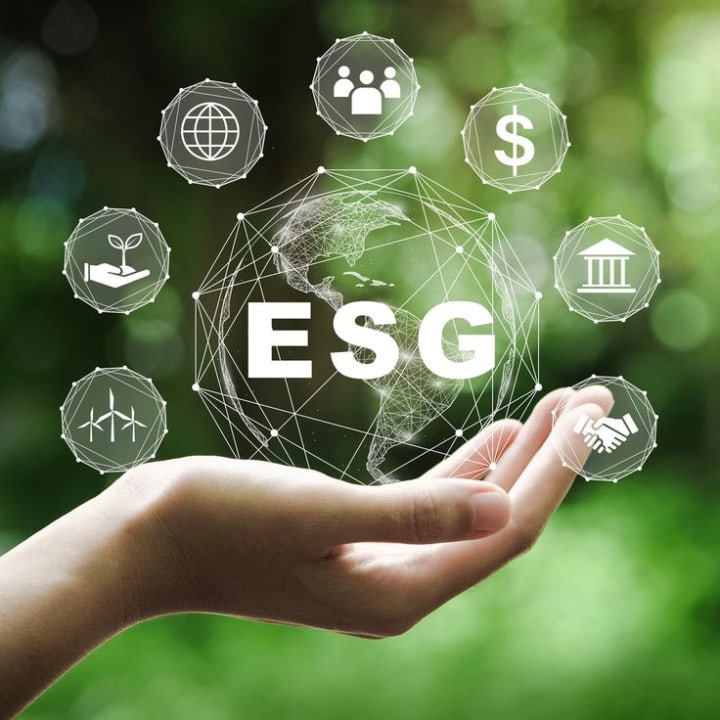
What is ESG Investing?
ESG investing incorporates environmental, social, and governance considerations into investment decisions. This approach evaluates companies based on their sustainability practices, social responsibility, and governance structures, alongside traditional financial metrics.
•Environmental: Concentrates on the effect that a company has on the environment, such as carbon footprint, use of resources, and waste disposal.
•Social: Reviews a company’s handling of employees, suppliers, customers, and the community.
•Governance: Reviews a company’s leadership, executive compensation, audits, internal controls, and shareholder rights.

The Rise of ESG Investing
The pace of ESG investing has been staggering as of 2025, Europe leads the trend, with about 83% of world ESG assets under management, amounting to more than $2 trillion. The rise is fueled by increased awareness of sustainability concerns and investors’ willingness to have their portfolios reflect their moral values & positive commitments to society.
Bursting the ESG Myth: Separating Hype from Reality in Sustainable Investing
Contrary to the myth that ESG investing compromises performance, research shows that companies with strong ESG standards often outperform financially. Studies reveal that sustainable equity mutual funds met or exceeded the median returns of traditional equity funds in 64% of analyzed data over seven years (2008–2014). Additionally, the MSCI KLD 400 Social Index, which tracks firms with high ESG scores, has outperformed the S&P 500 by 45 basis points annually since its start in 1990 through 2014.
These findings highlight that ESG investing can deliver robust long-term returns, debunking the notion of a necessary trade-off.

Impact on Investment Portfolios
•Risk Management: Those companies that show good ESG practices might have a better chance of dealing with risks related to environmental regulation, social conflict, or poor governance practices.
•Long-Term Returns: Businesses prioritizing sustainability and ethical conduct can receive help from higher brand loyalty, efficiency in operations, and the ability to tap into new markets, potentially yielding better long-term returns as these elements become more critical in the investing environment.
•Investor Attraction: As ESG factors gain increasing prominence, portfolios based on these factors could appeal to a wider range of investors, leading to greater demand and valuations for these companies.

Challenges in ESG Investing
ESG investing is not without its challenges despite its advantages:
•Greenwashing: Companies may overhype their ESG efforts, deceiving investors about their actual sustainability.
•Performance Issues: Though some ESG funds excel, doubts linger about their potential to lag in traditional markets.
•Execution Risk: Adopting ESG practices requires significant resources, while non-compliant firms may save money by dodging them.

ESG investing is a structural transformation in the world of investment, merging financial gains with a commitment to responsibility to society and the environment. Despite the challenges, ESG is investing in tangible benefits like reducing risks to potentially boosting returns, making it an appealing choice for today’s investors.
Sneha’s story paints a compelling picture of ESG investing — blending financial growth with a sense of purpose. It’s an appealing idea: your money is working not just for you, but for the world you want to see, all while suggesting that returns don’t have to take a hit. Through ESG, Sneha directed her capital to renewable energy projects, companies championing fair wages, and leaders who prioritized accountability. Research backed her choice — ESG-focused firms often outperform over time, better equipped to manage risks like climate laws or social shifts. For Sneha, it was a win-win: her savings grew while supporting cleaner air, fair workplaces, and ethical leadership.
Now, her portfolio feels alive — a small but mighty force for a healthier planet and a just society. ESG isn’t just investing; it’s a statement.
Your money has influence. Where will you steer it?

About the Creator
SubhShanti Wealth
Since 2011, SubhShanti Wealth has empowered investors by transforming one-sided sales into meaningful conversations that prioritize financial well-being. Beyond mutual fund distribution, we guide you toward lasting financial security.
Keep reading
More stories from SubhShanti Wealth and writers in Journal and other communities.
The Role of Alternative Investments in Modern Portfolios.
For years, Indian investors have trusted the classic trio — stocks, bonds, and fixed deposits (FDs), to build their wealth. And rightfully so! Stocks generate long-term growth, bonds offer stability, and FDs ensure safety. Alternative investment is a very new concept to the average Indian investor who don’t have any or very less exposure to the alternative asset classes. But however, they are one of the popular choices of investment in the developed markets and economies.
By SubhShanti Wealth11 months ago in Journal
Which Tasks Benefit Most From a 1080p Desktop Monitor?
Screens guide how people work, learn, and relax every day. A clear screen reduces eye stress and keeps the mind fresh. Recent data show that 1920×1080 (Full HD) remains the most common desktop screen resolution worldwide, with a share of around 20 to 22 percent of all desktop displays in 2025.
By Gabriella Browne6 days ago in Journal




Comments
There are no comments for this story
Be the first to respond and start the conversation.