
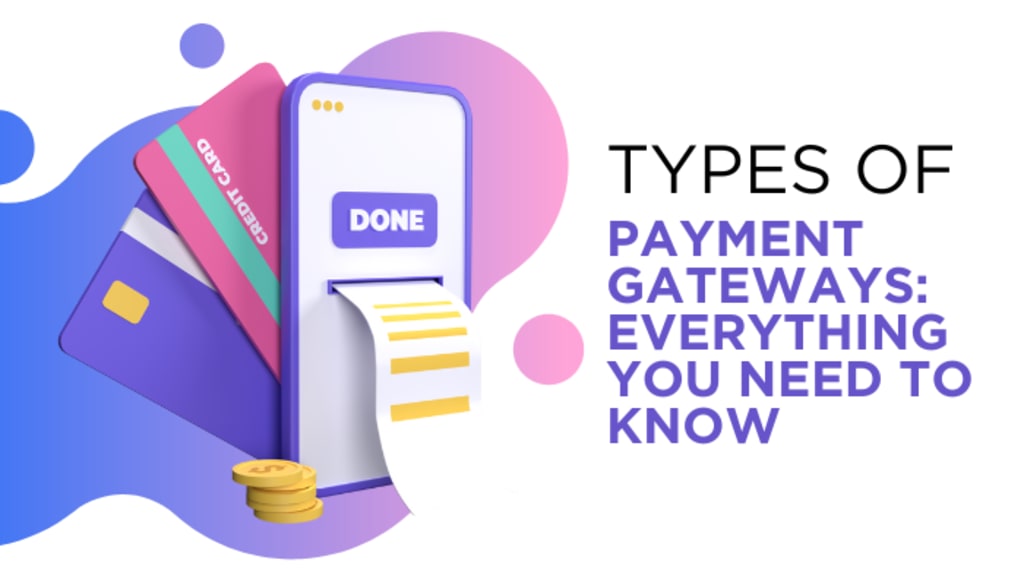
Types of Payment Gateways: Everything You Need to Know
Discover the Different Types of Payment Gateways and How to Choose the Right One for Your Business

In today’s digital-first economy, online payments have become the backbone of modern business. Whether you run an eCommerce store, a SaaS platform, or a mobile app, choosing the right payment gateway can make or break your customer experience and revenue flow.
With the rise in online shopping and digital transactions, understanding the different types of payment gateways is essential for businesses that want to offer a secure, seamless, and reliable payment experience to their customers.
In this blog, we’ll walk you through what a payment gateway is, the various types of gateways available, and how to choose the right one for your business.
What is a Payment Gateway?
A payment gateway is a technology solution that facilitates online transactions between a customer and a business. It acts as a digital bridge between your website/app and the customer’s bank or payment provider, ensuring that the transaction is processed securely and efficiently.
In simple terms, it authorizes credit card, debit card, UPI, and net banking payments and ensures the funds are safely transferred from the buyer to the seller.
Why Choosing the Right Payment Gateway Matters
The right payment gateway affects more than just the technical side of your business. It can impact:
- Conversion Rates
- Customer Trust and Satisfaction
- International Reach
- Fraud Prevention and Security
- Recurring Payments and Subscriptions
If you're planning to integrate a custom payment system, our payment gateway development services can help tailor the ideal solution for your specific needs.
Types of Payment Gateways
There are four major types of payment gateways that businesses can choose from, depending on their size, customer base, security needs, and technical resources.
1. Hosted Payment Gateways
Hosted payment gateways redirect users to a third-party page (usually the payment provider's site) to complete the transaction. After completing payment, the user is redirected back to the merchant’s website.
Pros:
- Simple to implement and manage.
- Security is handled by the provider.
- PCI compliance is not required by the merchant.
Cons:
- Less control over the user interface.
- Redirects may reduce customer trust or cause cart abandonment.
Best For:
Startups, small businesses, or non-technical teams who want quick setup and low maintenance.
2. Self-Hosted Payment Gateways
With self-hosted payment gateways, payment data is collected on your website and then forwarded to the payment processor’s server. This gives you more control over the payment experience but comes with additional responsibility.
Pros:
- Branded and customizable checkout experience.
- Improved customer experience by staying on your domain.
Cons:
- Requires SSL certification and PCI DSS compliance.
- You must ensure secure data handling.
Best For:
Mid-sized businesses or those looking to enhance brand control and user experience.
3. API-Hosted Payment Gateways (Integrated Gateways)
API-hosted gateways allow businesses to completely control the payment interface on their site or app. Transactions happen in the background through APIs without redirecting users.
Pros:
- Full control over UX/UI.
- Seamless, fast, and branded checkout experience.
- Suitable for recurring billing and subscriptions.
Cons:
- Complex to integrate and maintain.
- Must be PCI DSS compliant.
- Requires technical support.
Best For:
Enterprises, large-scale platforms, and mobile apps with a dedicated dev team.
4. Local Bank Integration Gateways
These gateways redirect users to their local bank’s website or portal to complete payments. This type is useful in regional markets where users prefer bank-specific interfaces.
Pros:
- Region-specific support.
- Trusted by users who are used to local banks.
Cons:
- Limited international payment options.
- May not support wallets or cards.
Best For:
Businesses targeting users in specific regions or countries.
How to Choose the Right Payment Gateway Type
Not sure which payment gateway to choose? Here are a few things to consider:
- Business Size & Type
Small startups can go with hosted gateways, while larger businesses benefit from integrated or API-based solutions.
- Technical Resources
Do you have a development team or technical partner? If not, hosted gateways are easier to manage.
- User Experience
Seamless checkout boosts conversion. API-hosted gateways offer the best UX.
- Security & Compliance
PCI-DSS compliance is critical. Make sure your choice meets industry standards.
- Geographic Coverage
If you're targeting a specific country or region, local gateways may be more effective.
- Customization Needs
Want to brand the payment page? Avoid hosted gateways and go for API or self-hosted options.
Still unsure? Our expert team can help you pick the right solution with our end-to-end payment gateway development services customized to your business.
Benefits of Choosing the Right Payment Gateway
Improved Conversions – A smooth, reliable checkout process increases sales.
Customer Trust – Secure payments mean satisfied, returning customers.
Scalability – Your gateway should grow with your business.
Global Reach – Accept international payments with ease.
Advanced Reporting – Track payment data for better decision-making.
Final Thoughts
In a world that’s moving rapidly toward digital commerce, your choice of a payment gateway isn't just a technical decision—it’s a strategic one. Whether you're just starting out or scaling up, understanding the types of payment gateways helps you choose the best solution for performance, security, and user satisfaction.
Looking for a customized integration? Explore our professional payment gateway development services and get expert support in building a secure, scalable, and smooth payment system.
About the Creator
ITIO Innovex
Elevate your business with our cutting-edge white label payment gateway solutions, tailored to meet your unique needs and customer expectations.
To know more about this visit: https://itio.in/
Keep reading
More stories from ITIO Innovex and writers in Journal and other communities.
Types of Payment Methods: A Comprehensive Guide for Businesses and Consumers
As digital transformation continues to redefine the global economy, the way we pay for goods and services is also evolving rapidly. From traditional cash transactions to cutting-edge digital payment solutions, understanding the different types of payment methods is crucial for businesses and consumers alike.
By ITIO Innovex9 months ago in 01



Comments
There are no comments for this story
Be the first to respond and start the conversation.