
Two-Wheeler Market Size to USD 245.9 Billion by 2033: Key Trends & Forecast
The global two-wheeler market size reached USD 138.6 Billion in 2024. Looking forward, IMARC Group expects the market to reach USD 245.9 Billion by 2033, exhibiting a growth rate (CAGR) of 6.25% during 2025-2033.

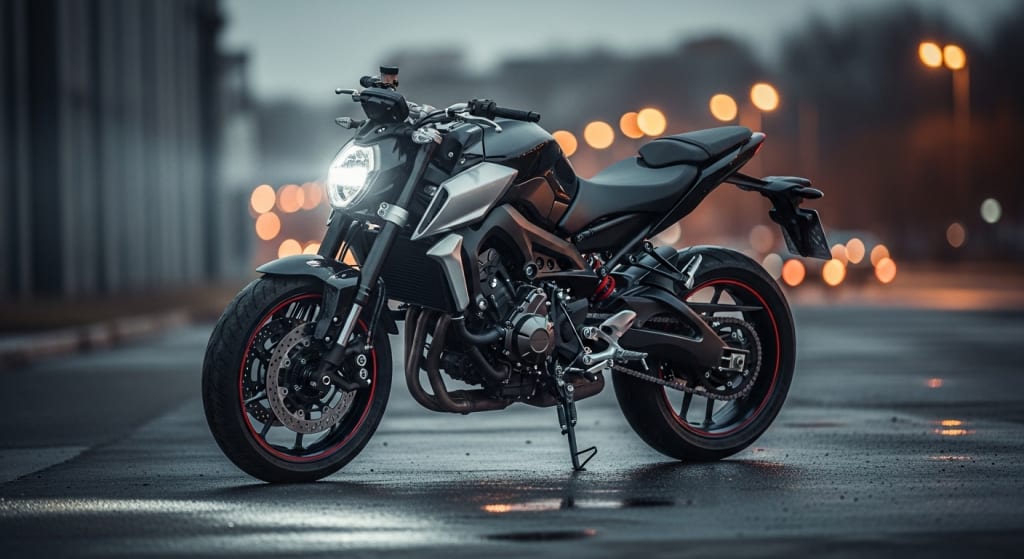
Market Overview:
According to IMARC Group's latest research publication, "Two-Wheeler Market: Global Industry Trends, Share, Size, Growth, Opportunity and Forecast 2025-2033", The global two-wheeler market size reached USD 138.6 Billion in 2024. Looking forward, IMARC Group expects the market to reach USD 245.9 Billion by 2033, exhibiting a growth rate (CAGR) of 6.25% during 2025-2033.
This detailed analysis primarily encompasses industry size, business trends, market share, key growth factors, and regional forecasts. The report offers a comprehensive overview and integrates research findings, market assessments, and data from different sources. It also includes pivotal market dynamics like drivers and challenges, while also highlighting growth opportunities, financial insights, technological improvements, emerging trends, and innovations. Besides this, the report provides regional market evaluation, along with a competitive landscape analysis.
How AI is Reshaping the Future of Two-Wheeler Market
• AI-powered connectivity systems are transforming two-wheeler experiences, with voice interaction and emotional intelligence features enhancing human-machine interfaces for improved rider engagement.
• Smart navigation and predictive maintenance algorithms optimize vehicle performance, reducing downtime by monitoring real-time diagnostics and alerting riders to potential issues before they occur.
• AI-driven safety features like collision detection, lane departure warnings, and adaptive cruise control are being integrated into premium two-wheelers, improving rider safety by up to 30%.
• Electric two-wheeler manufacturers leverage AI to optimize battery management systems, extending range by 15-20% through intelligent power distribution and charging cycle optimization.
• AI-enabled fleet management solutions help commercial operators track vehicle health, driver behavior, and route optimization, reducing operational costs by 12-18% for delivery and ride-sharing services.
Key Trends in the Two-Wheeler Market
• Surge in Electric Two-Wheeler Adoption: Environmental sustainability drives consumers toward electric scooters and motorcycles, with manufacturers investing heavily in battery technology and charging infrastructure. Urban areas with traffic congestion see rapid adoption, supported by government incentives promoting zero-emission vehicles for cleaner city transportation.
• Smart Connectivity Integration: Two-wheelers are becoming intelligent with features like GPS navigation, smartphone connectivity, and IoT integration. The two-wheeler connectivity system market is projected to grow at 11.35% CAGR, as riders demand real-time diagnostics, ride analytics, and seamless digital experiences through advanced infotainment systems.
• Rising Demand for 100-125cc Motorcycles: Fuel-efficient motorcycles in the 100-125cc segment dominate with optimal balance of power, affordability, and economy. These bikes serve as practical daily commuters, offering 45-60 km/l fuel efficiency while maintaining sufficient performance for both urban and rural transportation needs.
• Expansion of Ride-Sharing and Rental Services: Shared mobility platforms for electric scooters and bikes are revolutionizing urban transportation. Companies integrate e-bikes and e-scooters in multimodal fleets, with smartphone apps enabling convenient access, addressing first-mile and last-mile connectivity challenges in congested cities.
• Growth in Manual Transmission Preference: Riders continue favoring manual transmission for engaging control and lower maintenance costs. Manual bikes offer customizable gear shifting, better fuel efficiency, and reduced upfront costs, appealing to enthusiasts and budget-conscious consumers seeking traditional motorcycling experiences.
Growth Factors in the Two-Wheeler Market
• Accelerating Urbanization Globally: Rapid migration to cities increases demand for affordable, maneuverable transportation. Two-wheelers navigate congested streets efficiently, offering faster commutes than cars in traffic-heavy urban environments where parking space is limited and public transport may be inadequate.
• Rising Disposable Incomes: Economic growth across Asia Pacific and emerging markets enables more consumers to afford personal vehicles. Two-wheelers represent accessible entry points to motorized transportation, with middle-class expansion driving sales as income levels rise and employment opportunities increase.
• Enhanced Fuel Efficiency Demands: Rising fuel costs push consumers toward two-wheelers offering 40-60 km/l efficiency. Motorcycles and scooters provide economical alternatives to cars, with lower operating costs appealing to budget-conscious buyers seeking cost-effective daily commuting solutions for work and essential services.
• Government Incentives for Electric Vehicles: Subsidies, tax benefits, and infrastructure investments accelerate EV adoption. Governments worldwide implement policies promoting sustainable mobility, offering purchase incentives up to 30% of vehicle cost and developing charging networks to make electric two-wheelers more accessible and practical.
• Technological Advancements in Manufacturing: Innovations in engine technology, lightweight materials, and safety features enhance product offerings. Anti-lock braking systems (ABS), electronic fuel injection, and hybrid technologies improve performance, safety, and environmental friendliness, attracting tech-savvy consumers seeking modern, efficient vehicles.
Get Instant Access to the Full Report with a Special Discount!
Leading Companies Operating in the Global Two-Wheeler Industry:
• Harley Davidson
• Hero MotoCorp Ltd.
• Honda Motor Co., Ltd.
• Suzuki Motor Corporation
• Yamaha Motor Co., Ltd.
Two-Wheeler Market Report Segmentation:
Breakup By Product Type:
• Scooters
• Mopeds
• Motorcycle
• Electric Two-Wheeler
Motorcycle accounts for the majority of shares due to its versatility for both urban commuting and long-distance travel, offering riders freedom, independence, and recreational appeal.
Breakup By Technology:
• ICE
• Electric
ICE dominates the market due to widespread infrastructure availability, established consumer familiarity, and long-range capabilities with reliable performance.
Breakup By Transmission:
• Manual
• Automatic
Manual dominates the market due to engaging riding experience, direct control customization, lower upfront costs, and easier maintenance.
Breakup By Engine Capacity:
• <100cc
• 100-125cc
• 126-180cc
• 181-250cc
• 251-500cc
• 501-800cc
• 801-1600cc
• >1600cc
100-125cc holds the largest share due to optimal balance of fuel efficiency, affordability, and sufficient power for daily commuting and short-distance travel.
Breakup By Fuel Type:
• Gasoline
• Petrol
• Diesel
• LPG/CNG
• Battery
Petrol dominates the market due to widespread refueling infrastructure availability, reliable performance, long-range capabilities, and lower upfront vehicle costs.
Breakup By End-User:
• Personal
• Commercial
Personal dominates the market due to individual demand for affordable, convenient transportation for daily commuting, leisure activities, and recreational riding.
Breakup By Distribution Channel:
• Offline Channels
• Online Channels
Offline channels dominate the market due to consumers' preference for physical examination, test rides, personalized service, and immediate after-sales support.
Breakup By Region:
• North America (United States, Canada)
• Asia Pacific (China, Japan, India, South Korea, Australia, Indonesia, Others)
• Europe (Germany, France, United Kingdom, Italy, Spain, Russia, Others)
• Latin America (Brazil, Mexico, Others)
• Middle East and Africa
Asia Pacific enjoys the leading position owing to rapid urbanization, large middle-class population, congested urban areas, and strong economic growth driving demand for affordable transportation.
Recent News and Developments in Two-Wheeler Market
• October 2024: BMW launched CE 02, an electric scooter with 3.9kWh battery offering 108km range on full charge, expanding its electric mobility portfolio for urban commuters.
• April 2024: Global motorcycle manufacturers integrated AI technology into in-vehicle infotainment systems, enabling voice interaction and emotional intelligence features for enhanced rider experience.
• March 2024: Hero MotoCorp expanded its electric scooter lineup with advanced battery-swapping technology, addressing range anxiety and charging infrastructure challenges in Indian urban markets.
Note: If you require specific details, data, or insights that are not currently included in the scope of this report, we are happy to accommodate your request. As part of our customization service, we will gather and provide the additional information you need, tailored to your specific requirements. Please let us know your exact needs, and we will ensure the report is updated accordingly to meet your expectations.
About Us:
IMARC Group is a global management consulting firm that helps the world's most ambitious changemakers to create a lasting impact. The company provide a comprehensive suite of market entry and expansion services. IMARC offerings include thorough market assessment, feasibility studies, company incorporation assistance, factory setup support, regulatory approvals and licensing navigation, branding, marketing and sales strategies, competitive landscape and benchmarking analyses, pricing and cost research, and procurement research.
Contact Us:
IMARC Group
134 N 4th St. Brooklyn, NY 11249, USA
Email: [email protected]
Tel No:(D) +91 120 433 0800
United States: +1-201971-6302
About the Creator
sujeet. imarcgroup
With 2 years of hands-on experience at IMARC Group, I have conducted in-depth market research and analysis across diverse industries including technology, healthcare, agriculture, and consumer goods.
Keep reading
More stories from sujeet. imarcgroup and writers in Journal and other communities.
Firefighting Foam Market Size to Reach USD 1,399.69 Million by 2033: Key Trends & Forecast
Market Overview: According to IMARC Group's latest research publication, "Firefighting Foam Market: Global Industry Trends, Share, Size, Growth, Opportunity and Forecast 2025-2033", The global firefighting foam market size was valued at USD 978.08 Million in 2024. Looking forward, IMARC Group expects the market to reach USD 1,399.69 Million by 2033, exhibiting a growth rate (CAGR) of 3.65% during 2025-2033.
By sujeet. imarcgroup4 months ago in Journal
The Rise of Electric Aircraft in Business Aviation: A Sustainable Future
The aviation industry has long been known for its significant environmental impact, with business aviation contributing to a large share of emissions from private aircraft. However, as sustainability becomes a more pressing issue, the business aviation sector is looking to electric aircraft as a potential solution. With advancements in electric propulsion systems, blockchain and battery technology, electric aircraft are poised to revolutionize business aviation, offering a cleaner, more efficient alternative to traditional jet fuel-powered aircraft. In this blog, we will explore the rise of electric aircraft in business aviation and how they promise to shape a more sustainable future.
By Beckett Dowhan6 days ago in Journal


Comments
There are no comments for this story
Be the first to respond and start the conversation.