
Two Decades of YouTube
Reshaping Growth Minds and Society

Twenty years ago on April 23, the first video was posted to YouTube: a 19-second clip of a man’s visit to the San Diego Zoo.
Today, YouTube has evolved from a novelty with videos of zoo trips, quirky animated shorts or skits and funny moments in everyday life to a cultural institution.It becomes a go-to source for entertainment, news and education — need not to mention an important medium for advertising. As YouTube has become more entrenched in our lives, discussions around its impact on mental health and media literacy — as well as it has power to reach consumers — have also evolved.
- News Reporting and Consumption:
YouTube has provided a robust platform for diverse political voices and has allowed for personal stories, political expression and community building. At the same time,its technical structure has allowed for users to unwillingly expose themselves to extreme and radicalized content,whatever i watch on that platform YouTube recommends other videos and channels at the same topic.It assumes that you would also like to see that kind of videos. The nature of YouTube allows parasocial relationships between content creators and their viewers, which sometimes cross over into other realms like Reddit and TikTok. These communities of like-minded people who can forge strong friendships and networks can also create echo chambers that amplify misinformation and extremist rhetoric.
In 20 years, YouTube has gone from being a novelty to an important player in the world of news and journalism and it is rising as a media outlet follows the larger story of changes in news consumption. Similarly,people understand reality through prisms defined by web-browsing habits and algorithms. YouTube is a big part of that ecosystem.
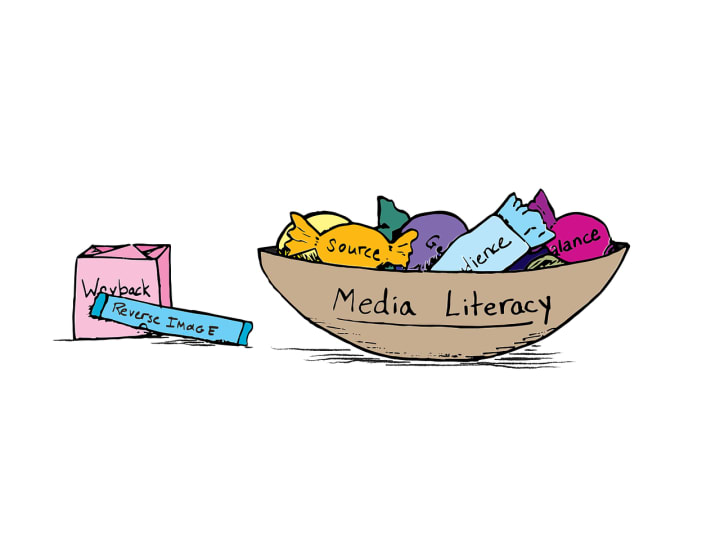
- Media literacy:
An estimated 93% of adults in the United States access the internet, with up to 80% looking for health information. However, only 12% of U.S. adults are proficient enough in health literacy to interpret health information and make informed health care decisions meaningfully. YouTube has billions of visits from users worldwide and has been very impactful in shaping online conversations as well as beliefs and opinions. With the vast amount of health information available in multimedia formats on social media platforms such as YouTube, there is an urgent need and a unique opportunity to design an automated approach to curate online health information using multiple criteria to meet the health literacy needs of a diverse population.
YouTube has undeniably had a huge influence on the modern media environment. The platform provides billions of people around the world with a powerful tool for learning and entertainment and has contributed to a great deal of democratization in both media creation and consumption. However, there is evidence that over-reliance on YouTube and other video platforms may have negative consequences on attention and information processing, especially in a multitasking context.
The platform’s algorithmically curated, engagement-optimizing design presents an additional challenge by often prioritizing attention-grabbing, sensationalized content over more substantive material, making critical evaluation skills which is necessary — especially for more vulnerable populations like children and the elderly. These risks can be mitigated by implementing intentional viewing strategies to avoid overuse, retaining a healthy skepticism about content reliability, and making sure to take time away from the platform to focus on rest, creative pursuits and connecting directly with friends and loved ones.
It remains critical that YouTube and other digital platforms provide increased transparency and access to internal data pertaining to usage patterns and associated outcomes.Especially,it relates to potential harms such as overuse, misinformation and mental health concerns.
- Educational Purpose:
Today, YouTube is the most popular social media among U.S. adults and teens, ages 13-17, and not just for entertainment or marketing or business but also for learning. YouTube’s impact on education is profound.People turn to YouTube to learn anywhere, anytime. They tune into free tutorials, academic lectures, even courses to supplement or bridge gaps in traditional education and share those resources with friends and classmates. Similarly,teachers use YouTube to supplement instruction, bringing videos of complex concepts into classrooms, providing historical footage, showing experiments, or uploading their own videos and essential notes to customize their teaching for students.It helps learning by making knowledge available to anyone with simply an internet connection, supports remote education (a critical resource during the COVID-19 pandemic).Over the past 20 years, social media like YouTube have transformed into daily driver and encourages to student lifelong learning beyond conventional classrooms.
- Business & Marketing:
YouTube is a powerful tool for businesses, offering unparalleled opportunities for growth and engagement. In recent years, we have seen a major shift in consumer behavior as they move away from conventional marketing toward more direct and authentic interactions with brands. This shift has forced brands to seek new and more effective ways to connect with consumers. Small businesses and startups leverage YouTube for cost-effective marketing, creating explainer videos, tutorials, and customer support content to build trust and visibility. The platform also provides multiple revenue streams, including ad revenue through the YouTube Partner Program, sponsorships, affiliate marketing ,review the well populared product and direct product sales.Specially for entrepreneurs and freelancers, YouTube serves as a portfolio platform, helping them attract clients and showcase their expertise. Its global reach and high engagement rates make it a preferred choice over traditional advertising, enabling even small businesses to compete on a larger scale.If we specific about ages and interest then Youtube’s primary target demographic is users aged 15-35,who are actively engaged with the platform for entertainment,education and more.These marketing strategies are critical for brands aiming to remain relevant and connect with today’s savvy audience.
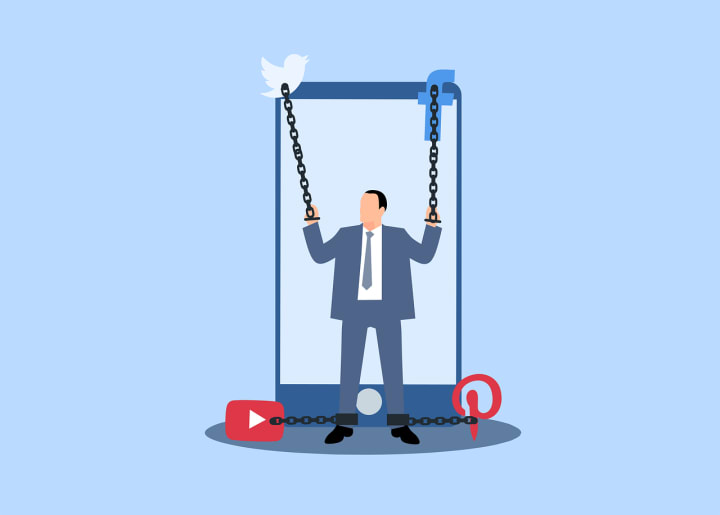
- Social Impact:
Beyond entertainment and education,Youtube plays a crucial rule in driving social change.
Also there are both positive and negative impacts.
Positive impacts:
Youtube providing of free access to a vast library regarding to educational content.It helps us to enhance our wisdom to create and share content,fostering creativity and building communities.To build businesses,earn income for content creators,Youtube is well known for that. YouTube facilitates fundraising and charity initiatives & can amplify voices,raise awarness about social issues.
Negative impacts:
This platform can be used sometimes to spread false or misleading information,potentially impacting to decision-making.Extensive viewing can cause to addiction and affect mental well being and daily activities.In addition,Youtube can be that type of platform where we can see harmful content including hate speech,violence & exploitation particularly for children.
- Concluding overall:
Youtube’s impact is one kind of multifaceted.Offering both exceptional opportunities and effective changes.Its influence must be managed responsibly to ensure that it continues to benefit society as a whole.
About the Creator
Will Gas Prices Go Up Even More?
Gas prices probably can go higher from here, but whether they do depends mostly on one thing: oil supply risk, especially in the Middle East. As of March 10, AAA shows the U.S. national average for regular gas at $3.539 per gallon, up sharply from $3.109 a week earlier. EIA’s weekly measure is similar, showing $3.502 for the week of March 9.
By Navigating the Worlda day ago in Journal



Comments
There are no comments for this story
Be the first to respond and start the conversation.