
Turkey Real Estate Market: Trends, Growth Drivers, and Future Opportunities
Trends, Growth Drivers, Regulations, and Outlook

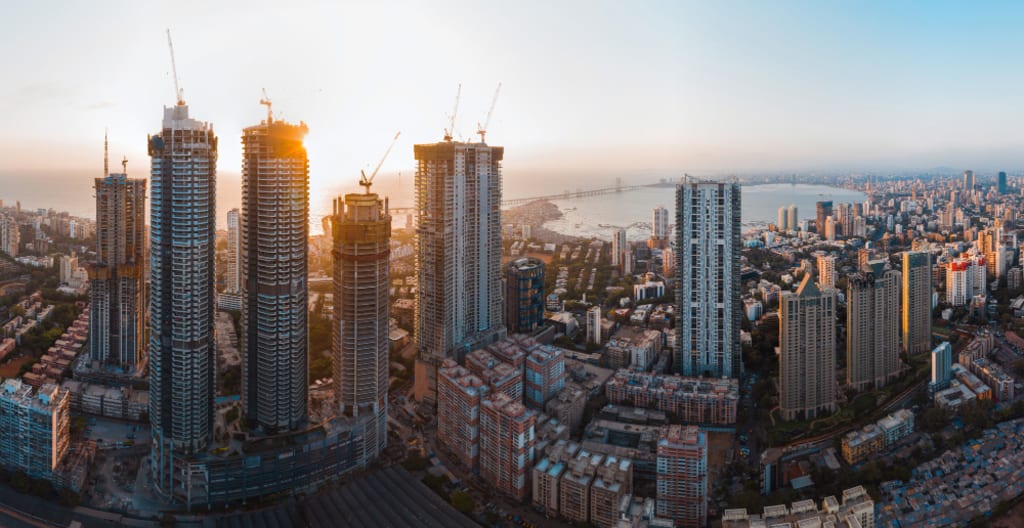
The Turkey real estate market has emerged as one of the most dynamic property sectors connecting Europe, Asia, and the Middle East. With its strategic geographic position, expanding urban population, and diversified economy, Turkey continues to attract domestic buyers, regional investors, and international capital. Over the past decade, real estate has played a central role in economic development, urban transformation, and infrastructure modernization. Understanding how this market operates, what drives demand, and where future opportunities lie is essential for investors, developers, and industry stakeholders.
𝐎𝐯𝐞𝐫𝐯𝐢𝐞𝐰 𝐨𝐟 𝐭𝐡𝐞 𝐓𝐮𝐫𝐤𝐞𝐲 𝐑𝐞𝐚𝐥 𝐄𝐬𝐭𝐚𝐭𝐞 𝐌𝐚𝐫𝐤𝐞𝐭
Real estate in Turkey includes residential housing, commercial buildings, industrial facilities, tourism-related properties, and land development projects. Major cities such as Istanbul, Ankara, Izmir, Antalya, and Bursa dominate market activity, supported by strong population growth and infrastructure investment. Residential real estate accounts for the largest share of transactions, driven by urban migration, household formation, and demand for modern housing.
Turkey’s property market is shaped by demographic trends, construction activity, financing conditions, and government-led urban renewal programs. Large-scale housing developments, mixed-use projects, and smart city initiatives continue to redefine city landscapes. At the same time, coastal regions and tourism hubs remain attractive for second homes and rental investments, strengthening the market’s diversity.
𝐖𝐡𝐚𝐭 𝐈𝐬 𝐑𝐞𝐚𝐥 𝐄𝐬𝐭𝐚𝐭𝐞 𝐢𝐧 𝐭𝐡𝐞 𝐓𝐮𝐫𝐤𝐢𝐬𝐡 𝐂𝐨𝐧𝐭𝐞𝐱𝐭?
Real estate in Turkey refers to land and permanent structures used for residential, commercial, industrial, agricultural, or tourism purposes. The main categories include:
Residential real estate, such as apartments, villas, and gated communities
Commercial real estate, including offices, shopping centers, and retail units
Industrial real estate, covering factories, logistics hubs, and warehouses
Tourism and hospitality properties, such as hotels, resorts, and serviced apartments
The Turkey real estate market is influenced by macroeconomic conditions, interest rates, foreign exchange movements, population growth, and public investment in transportation and social infrastructure.
𝐊𝐞𝐲 𝐓𝐫𝐞𝐧𝐝𝐬 𝐒𝐡𝐚𝐩𝐢𝐧𝐠 𝐭𝐡𝐞 𝐓𝐮𝐫𝐤𝐞𝐲 𝐑𝐞𝐚𝐥 𝐄𝐬𝐭𝐚𝐭𝐞 𝐌𝐚𝐫𝐤𝐞𝐭
𝐔𝐫𝐛𝐚𝐧 𝐓𝐫𝐚𝐧𝐬𝐟𝐨𝐫𝐦𝐚𝐭𝐢𝐨𝐧 𝐚𝐧𝐝 𝐑𝐞𝐝𝐞𝐯𝐞𝐥𝐨𝐩𝐦𝐞𝐧𝐭
Urban transformation remains a defining trend in Turkey’s real estate sector. Aging building stock, particularly in major cities, is being replaced with earthquake-resistant, energy-efficient housing under government-supported renewal programs. These projects increase housing quality, improve safety standards, and unlock new investment opportunities in redeveloped neighborhoods. As land availability tightens in city centers, redevelopment is becoming a preferred growth strategy for developers.
𝐑𝐢𝐬𝐢𝐧𝐠 𝐃𝐞𝐦𝐚𝐧𝐝 𝐟𝐨𝐫 𝐌𝐨𝐝𝐞𝐫𝐧 𝐇𝐨𝐮𝐬𝐢𝐧𝐠
Homebuyers in Turkey increasingly prefer properties with modern layouts, parking facilities, green spaces, and social amenities. Gated communities and mixed-use developments are gaining popularity, especially among middle-income families. Energy efficiency, smart home features, and proximity to transport links are now key purchase criteria, shaping new residential project designs across urban areas.
𝐅𝐨𝐫𝐞𝐢𝐠𝐧 𝐁𝐮𝐲𝐞𝐫 𝐏𝐚𝐫𝐭𝐢𝐜𝐢𝐩𝐚𝐭𝐢𝐨𝐧
Foreign investment has become a significant component of the Turkey real estate market. Buyers from the Middle East, Europe, Russia, and Central Asia are attracted by competitive property prices, rental income potential, and citizenship-by-investment opportunities. Coastal cities and Istanbul remain top destinations for international buyers seeking residential and holiday properties.
𝐆𝐫𝐨𝐰𝐭𝐡 𝐨𝐟 𝐑𝐞𝐧𝐭𝐚𝐥 𝐚𝐧𝐝 𝐈𝐧𝐯𝐞𝐬𝐭𝐦𝐞𝐧𝐭 𝐏𝐫𝐨𝐩𝐞𝐫𝐭𝐢𝐞𝐬
Rental housing demand is rising due to affordability challenges and population mobility. Investors are increasingly targeting rental-focused developments, serviced apartments, and furnished units. Short-term and long-term rentals in tourism-driven regions continue to offer attractive yields, particularly in well-connected urban and coastal locations.
𝐑𝐞𝐠𝐮𝐥𝐚𝐭𝐨𝐫𝐲 𝐄𝐧𝐯𝐢𝐫𝐨𝐧𝐦𝐞𝐧𝐭 𝐚𝐧𝐝 𝐌𝐚𝐫𝐤𝐞𝐭 𝐅𝐫𝐚𝐦𝐞𝐰𝐨𝐫𝐤
The Turkish real estate market operates within a structured regulatory framework that governs land ownership, construction standards, taxation, and foreign investment.
Property ownership regulations allow foreign nationals from many countries to purchase real estate, subject to certain geographic and size limitations. Transparent title deed registration processes help protect buyer rights.
Taxation policies include title deed fees, property taxes, and capital gains taxes, which vary based on holding period and property type. Understanding these costs is critical for investment planning.
Construction and zoning laws regulate land use, building density, and safety standards. Compliance with seismic regulations is mandatory, especially after recent updates aimed at improving structural resilience.
𝐌𝐚𝐫𝐤𝐞𝐭 𝐆𝐫𝐨𝐰𝐭𝐡 𝐚𝐧𝐝 𝐄𝐜𝐨𝐧𝐨𝐦𝐢𝐜 𝐂𝐨𝐧𝐭𝐫𝐢𝐛𝐮𝐭𝐢𝐨𝐧
The Turkey real estate market has demonstrated resilience despite economic volatility. Housing demand remains strong due to population growth, urbanization, and replacement of older housing stock. Infrastructure projects such as highways, bridges, metro lines, and airports continue to enhance regional connectivity, increasing property values in surrounding areas.
Residential sales volumes fluctuate with interest rate cycles, but long-term demand fundamentals remain intact. Commercial real estate benefits from expanding retail, logistics, and office requirements driven by economic diversification and export-oriented industries.
𝐊𝐞𝐲 𝐂𝐡𝐚𝐥𝐥𝐞𝐧𝐠𝐞𝐬 𝐅𝐚𝐜𝐢𝐧𝐠 𝐭𝐡𝐞 𝐌𝐚𝐫𝐤𝐞𝐭
𝐀𝐟𝐟𝐨𝐫𝐝𝐚𝐛𝐢𝐥𝐢𝐭𝐲 𝐏𝐫𝐞𝐬𝐬𝐮𝐫𝐞𝐬
Rising construction costs, inflation, and financing constraints have reduced housing affordability for some buyer segments. This has increased reliance on rental housing and extended decision timelines for first-time buyers.
𝐅𝐢𝐧𝐚𝐧𝐜𝐢𝐧𝐠 𝐚𝐧𝐝 𝐈𝐧𝐭𝐞𝐫𝐞𝐬𝐭 𝐑𝐚𝐭𝐞 𝐒𝐞𝐧𝐬𝐢𝐭𝐢𝐯𝐢𝐭𝐲
Mortgage affordability is closely tied to interest rates, making the market sensitive to monetary policy changes. Developers and buyers must carefully manage financing structures and cash flow planning.
𝐂𝐨𝐧𝐬𝐭𝐫𝐮𝐜𝐭𝐢𝐨𝐧 𝐂𝐨𝐬𝐭 𝐕𝐨𝐥𝐚𝐭𝐢𝐥𝐢𝐭𝐲
Fluctuations in material and labor costs impact project timelines and pricing strategies. Developers are increasingly focused on cost optimization and phased project execution.
𝐅𝐮𝐭𝐮𝐫𝐞 𝐎𝐩𝐩𝐨𝐫𝐭𝐮𝐧𝐢𝐭𝐢𝐞𝐬 𝐢𝐧 𝐭𝐡𝐞 𝐓𝐮𝐫𝐤𝐞𝐲 𝐑𝐞𝐚𝐥 𝐄𝐬𝐭𝐚𝐭𝐞 𝐌𝐚𝐫𝐤𝐞𝐭
Despite challenges, the outlook for Turkey’s real estate sector remains positive. Affordable housing projects, supported by public-private partnerships, are expected to gain traction. Green and sustainable buildings are becoming more attractive as energy costs rise and environmental awareness increases.
Logistics and industrial real estate offer strong potential due to Turkey’s role as a regional manufacturing and trade hub. Mixed-use developments combining residential, retail, and office spaces are likely to dominate future urban growth, offering diversified revenue streams and long-term resilience.
𝐂𝐨𝐧𝐜𝐥𝐮𝐬𝐢𝐨𝐧
The Turkey real estate market continues to evolve as a key pillar of economic growth and urban development. Supported by demographic momentum, infrastructure investment, and ongoing urban transformation, the sector offers diverse opportunities across residential, commercial, and investment segments. While affordability, financing conditions, and cost pressures require careful navigation, long-term fundamentals remain strong. Investors and industry participants who align with market trends, regulatory frameworks, and sustainable development principles are well-positioned to capitalize on Turkey’s real estate growth trajectory.
About the Creator
Tim David
Creator Blog and Analysis delivers concise, data-driven insights, trend analysis, and expert perspectives, helping readers understand markets, technologies, and opportunities through clear, actionable, and research-backed content.
Number of US-Style ‘Battering Ram’ Pickup Trucks on UK Roads Nearly Doubles in a Decade
The Rising Trend of Pickup Trucks in the UK In the last ten years, the number of US-style pickup trucks on UK roads has almost doubled, according to recent transport reports. These vehicles, often referred to by enthusiasts and critics as “battering rams” due to their size, high front bumpers, and heavy construction, are becoming increasingly common in both urban and rural settings.
By Aarif Lashari3 days ago in Journal



Comments
There are no comments for this story
Be the first to respond and start the conversation.