
Trump’s Venezuela Oil Bet Faces Big Hurdles
A bold push to revive Venezuela’s oil industry is running into deep economic, political, and logistical challenges, raising questions about whether Washington’s ambitions can succeed.

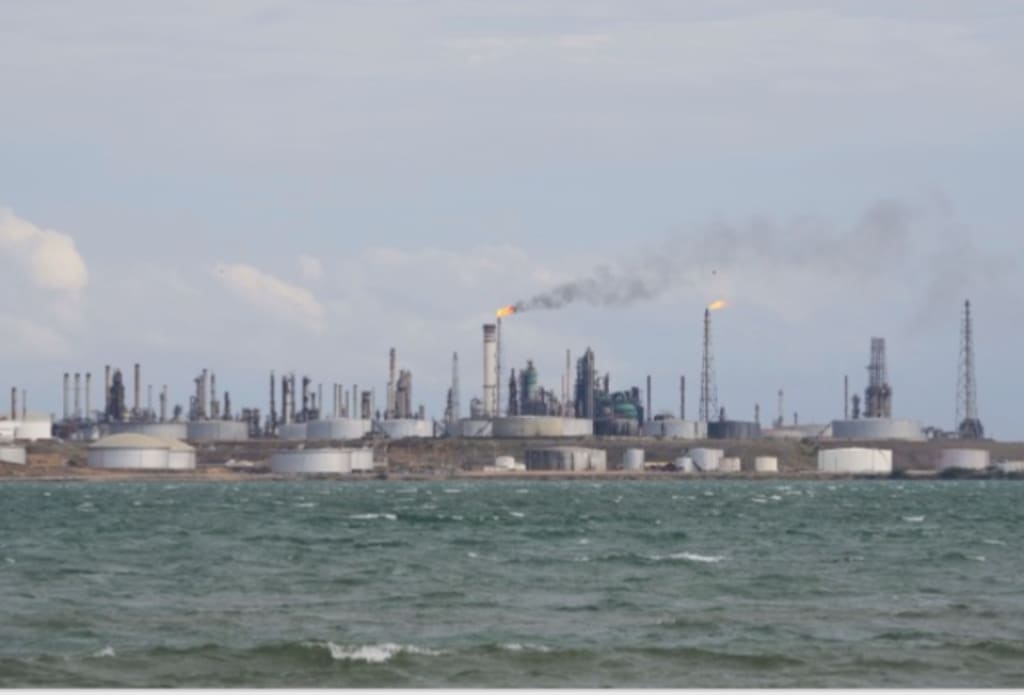
President Donald Trump’s high-profile plan to gain influence over Venezuela’s oil reserves has captured headlines, but the reality of executing such a strategy is far from simple. While the initiative is framed as a win for U.S. energy security and a way to assert geopolitical leverage, the effort faces massive hurdles—from broken infrastructure and market limitations to political instability and ethical concerns.
Why Venezuela’s Oil Matters
Venezuela is home to the world’s largest proven crude oil reserves, estimated at roughly 300 billion barrels. For decades, oil was the backbone of the Venezuelan economy, generating revenue, jobs, and political influence.
However, decades of mismanagement, corruption, sanctions, and declining investment have left the industry in ruins. Production, once topping 3 million barrels per day, now hovers below 1 million barrels per day. Modernizing this capacity is essential if Trump’s strategy is to succeed—but it’s far from guaranteed.
Infrastructure Challenges
One of the biggest obstacles is Venezuela’s crumbling oil infrastructure. Pipelines, pumping stations, and refineries are old, under-maintained, and often out of service. Industry experts estimate that tens of billions of dollars in investment would be needed just to stabilize production—let alone increase it.
Much of Venezuela’s crude is heavy oil, which is technically challenging to extract and refine. It requires specialized equipment, diluents, and upgraded refineries—resources that are expensive and time-consuming to deploy. Even if the U.S. or private companies invest heavily, these physical challenges could delay any meaningful output for years.
Political and Legal Hurdles
Trump has promised foreign oil companies security and legal protections for their investments. Yet global energy giants remain cautious. Past expropriations, inconsistent laws, and political uncertainty make Venezuela a risky environment for long-term projects.
Even with new legislation opening the oil sector to foreign investment, companies worry about governance, corruption, and potential sanctions. Many executives see the country as “uninvestable” despite high potential returns. Without legal clarity and political stability, any plan to increase oil production faces serious hurdles.
Market Realities
Reviving Venezuelan oil isn’t just about producing barrels—it’s about selling them. Global oil markets are currently grappling with supply surpluses, and U.S. refineries are already at capacity. Heavy crude is less desirable than light oil and requires specialized refineries, limiting where Venezuelan oil can go.
Traditional buyers like China have also pulled back in response to U.S. intervention, further complicating distribution. In short, even if production increases, there’s no guarantee the market can absorb the oil profitably.
Geopolitical Pushback
Trump’s strategy has not gone unnoticed internationally. Venezuela’s allies, including Russia, China, and Cuba, have condemned U.S. actions as aggressive and destabilizing.
Demanding that Venezuela sever ties with these countries as a condition for oil cooperation has raised tensions in the region. Such moves make long-term stability harder to achieve, as neighboring countries and global powers closely watch Washington’s next steps.
Humanitarian and Ethical Concerns
Beyond economics and geopolitics, the plan raises ethical questions. Venezuela is in the midst of a humanitarian crisis, with millions struggling with food insecurity, medicine shortages, and poor infrastructure. Critics warn that focusing on oil profits without addressing human needs risks worsening the situation.
Humanitarian groups argue that prioritizing energy extraction over social welfare could further destabilize the country and put civilians at risk, creating a cycle of exploitation and unrest.
The Road Ahead
Experts suggest that even under ideal conditions, reviving Venezuela’s oil production would take years, requiring hundreds of billions in investment. Political stability, infrastructure rebuilding, and market alignment are all essential prerequisites—but none are guaranteed.
For Trump, the oil strategy is as much political as it is economic. Success could strengthen U.S. energy security and provide leverage in Latin America. Failure, however, could reinforce the risks of overreach in foreign policy and underscore the limits of aggressive intervention.
Conclusion: Ambition Meets Reality
Trump’s Venezuela oil initiative is a bold gamble at the intersection of geopolitics, economics, and energy strategy. While the country’s vast oil reserves offer enormous potential, crumbling infrastructure, market constraints, political instability, and ethical concerns all stand in the way of immediate success.
This effort highlights a central truth: controlling oil resources on paper is far easier than managing them in reality. As the world watches, Venezuela’s oil saga will test the limits of ambition, investment, and international diplomacy—and will serve as a cautionary tale about the complex realities behind headline-grabbing foreign policy decisions.
About the Creator
Sajida Sikandar
Hi, I’m Sajida Sikandar, a passionate blogger with 3 years of experience in crafting engaging and insightful content. Join me as I share my thoughts, stories, and ideas on a variety of topics that matter to you.
Keep reading
More stories from Sajida Sikandar and writers in Journal and other communities.
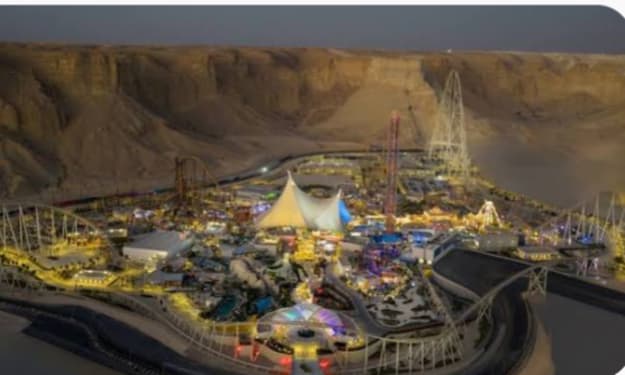
Saudi Gigaproject Opens With World’s Largest and Fastest Roller Coaster
Saudi Arabia has officially entered the global theme park race in spectacular fashion. The kingdom’s ambitious entertainment destination, part of its multi-billion-dollar gigaproject initiative, has opened to the public with what is now recognized as the world’s largest and fastest roller coaster. The launch marks a significant milestone in Saudi Arabia’s Vision 2030 plan, which aims to diversify the economy and turn the country into a premier tourism and entertainment hub.
By Sajida Sikandarabout 8 hours ago in Journal
~ Fired ~
— Ai Intrusion ~ Are you Next ~ Is Ai Evolution after your job? — Few workplaces haven't been affected. Ai is in supermarkets, at doctors' offices, and even monitoring farms. I just can't think of anything this machine is not getting into, can you? For instance: Education ~ Law and Tech jobs will one day have a major influence or be taken over by these inanimate machines, with accuracy and vigor. From mechanics' diagnoses to a wide variety of everyday jobs, including fast food workers, with this input having the ability to cut their unnecessary work hours. I'm certain all of us have been touched by this with our short stories and colorful headings, have you? Even comments are very questionable 'Non-Robot' insertions.
By Jay Kantor3 days ago in Journal
Salt Typhoon and the Widespread Hacking of Western Telecoms Networks
China's Salt Typhoon campaign represents a fundamental shift in state-sponsored cyber espionage, moving away from the opportunistic targeting of individuals towards the systematic subversion of national telecommunications infrastructure. Attributed to contractors working for the Chinese Ministry of State Security based in Chengdu, this operation has exposed a profound structural vulnerability at the heart of Western democratic governance.
By James Marinero4 days ago in Journal
Trouble at the Tea Leafing Café
The rain had started right around the time that Annie was buttering her second thick slice of homemade toast for breakfast, and hadn’t paused since. Not that anyone could tell. The windows of the café were fogged over, and with every seat filled with happy customers munching on fresh baked pastries or steaming bowls of the delicious soup of the day, it was hardly surprising. Annie looked around the room, finally taking a moment to breathe after the lunch time rush. Her old life already felt like a bad memory, a part of her history, always, but just that. History.
By Hannah Moore5 days ago in Fiction


Comments
There are no comments for this story
Be the first to respond and start the conversation.