
Trendy Carpet Designs for Modern Restaurant Interiors in 2025
Explore Stylish Flooring Trends That Elevate Ambience and Dining Experience

Why Flooring Choices Matter in Hospitality
The first impression of a space
When diners walk into a restaurant, the flooring is one of the first elements they notice—often subconsciously. A carpeted space can set the tone for the entire experience. It signals warmth, comfort, and a degree of attention to interior detail that diners associate with care. In contrast to hard flooring, carpet absorbs sound, softens lighting reflections, and adds a tactile richness underfoot. In restaurants that want to offer a relaxing, upscale atmosphere, this can play a decisive role in repeat custom.
The choice of commercial carpet should reflect the type of venue. Fine dining spaces often benefit from plush, textured finishes that enhance luxury, whereas casual eateries lean on hard-wearing, stylish options that don’t sacrifice character. Ultimately, flooring should match the emotional response a restaurant wants to evoke.
Balancing aesthetics with functionality
Visual impact is important, but not at the expense of performance. Restaurants deal with high traffic, spills, and frequent furniture movement, so the carpet must do more than look good. The key is to find a product that aligns with the venue’s identity without compromising on wear resistance. Pile height, fibre type, and backing materials all contribute to how a carpet will perform under pressure.
Patterned designs, for instance, can help mask signs of wear, while neutral tones may complement a range of interiors and stay relevant if branding evolves. Functionality in hospitality doesn’t mean choosing the blandest option—it means selecting intelligently for the space.
Safety and hygiene in high-traffic areas
Restaurant flooring plays a critical role in maintaining a clean and safe environment. A well-designed commercial carpet should include stain-resistant treatments and antimicrobial protection to inhibit the growth of bacteria and odours. It must also be quick-drying and able to withstand intensive cleaning routines, including spot removal and deep steaming.
Slip resistance is another essential consideration. Carpets with built-in traction can help reduce the risk of accidents in dining areas, particularly in sections prone to spills. In busy kitchens and front-of-house areas, choosing flooring that adheres to hospitality safety standards is essential for both staff and guests.
What Makes Restaurant Carpets Different?
Durability under heavy footfall
Unlike domestic carpets, commercial options for restaurants are constructed to endure relentless use. From lunchtime rushes to late-night service, the floor sees continuous wear. Carpets for this setting must feature dense pile construction and high tuft binds to prevent flattening and fibre loss.
Carpet classification systems—such as the EN 1307 standard in the UK—help specifiers identify which products are suitable for heavy contract use. Investing in a solution that meets these specifications reduces the need for premature replacement, especially in zones like entranceways and corridors.
Handling spills, stains, and frequent cleaning
Food service environments are inherently prone to spills and mess. Commercial carpets designed for restaurants often include built-in stain protection treatments, such as Scotchgard or solution-dyed fibres, which allow easier cleaning without compromising the carpet’s integrity.
Moreover, carpets with low pile heights or tightly looped constructions are easier to vacuum and spot clean. These qualities become especially important in spaces where aesthetics must be maintained alongside operational efficiency. Quick turnaround cleaning routines depend on flooring that resists absorption and doesn’t degrade with repeated chemical treatments.
Acoustic control in dining environments
Noise levels can make or break a dining experience. Commercial carpet is uniquely capable of softening ambient sound, reducing echo, and supporting private conversation—even in busy spaces. This makes it an ideal choice for venues where acoustic comfort is part of the appeal.
Backing materials, underlays, and fibre density all influence acoustic performance. A well-specified commercial carpet will significantly reduce noise transmission between floors in multi-level venues or upstairs dining rooms. This added benefit contributes to a calmer, more enjoyable environment for guests.
Fibre Types and Their Performance
Wool’s natural advantages
Wool remains a top choice for commercial carpet installations in restaurants that want to blend luxury with long-term performance. Its natural resilience helps it recover from compression, meaning furniture marks and footfall don’t permanently flatten the pile. Wool is also inherently flame-retardant, which adds an extra layer of safety in public spaces.
In addition, wool offers thermal insulation and regulates humidity, creating a more comfortable environment for guests. Its fibres trap fine dust and allergens, holding them in place until vacuumed, which helps maintain cleaner air—especially valuable in spaces with high occupancy.
Synthetic options for commercial use
Synthetic fibres, such as nylon and polypropylene, are widely used in commercial carpet for restaurants due to their affordability, colour retention, and high resistance to staining. Nylon, in particular, stands out for its durability and ease of maintenance. Its elasticity allows it to bounce back after pressure, making it ideal for dining areas with heavy chairs and constant movement.
Polypropylene, though slightly less resilient under pressure, offers outstanding stain resistance. It is often used in value-driven hospitality projects or in areas prone to spills, such as snack bars or cafés. With advancements in fibre technology, synthetic carpets now mimic the aesthetic quality of wool without compromising on function.
Blended fibres and hybrid benefits
Many commercial carpets combine wool and synthetic fibres to offer the best of both materials. These blends are engineered to maximise performance, comfort, and cost-effectiveness. For instance, an 80/20 wool–nylon mix provides a soft, natural feel with improved resilience and lower maintenance demands.
Blended carpets also give specifiers greater flexibility when it comes to design and longevity. In high-turnover areas like restaurants, where ambience and practical maintenance are equally important, hybrid options often provide the most balanced solution.
Design Considerations for Restaurant Settings
Coordinating carpet with interior themes
The design of a restaurant’s carpet must tie into the venue’s overall identity. From boutique bistros to luxury hotel dining, flooring serves as a visual anchor. It can reflect branding colours, repeat architectural motifs, or subtly frame seating zones without the need for physical dividers.
In open-plan settings, zoning through carpet design helps guide foot traffic and distinguish between functional areas. Contrasting tones or textured borders can lead diners from reception through to the bar and into the main dining room, all without disrupting the aesthetic flow.
Custom patterns and branding
Custom carpets allow restaurants to go beyond function and make a visual statement. Branded motifs, bespoke colourways, or repeat patterns linked to the menu or heritage of the space can turn flooring into a storytelling device.
Working with a UK-based manufacturer makes it easier to develop tailor-made designs that suit the individual brand, whether that’s a monogram, geometric detailing, or a motif echoing the local area. Custom Axminster carpets, in particular, offer unrivalled precision for detailed patterns and complex palettes.
Colour and pile choices that disguise wear
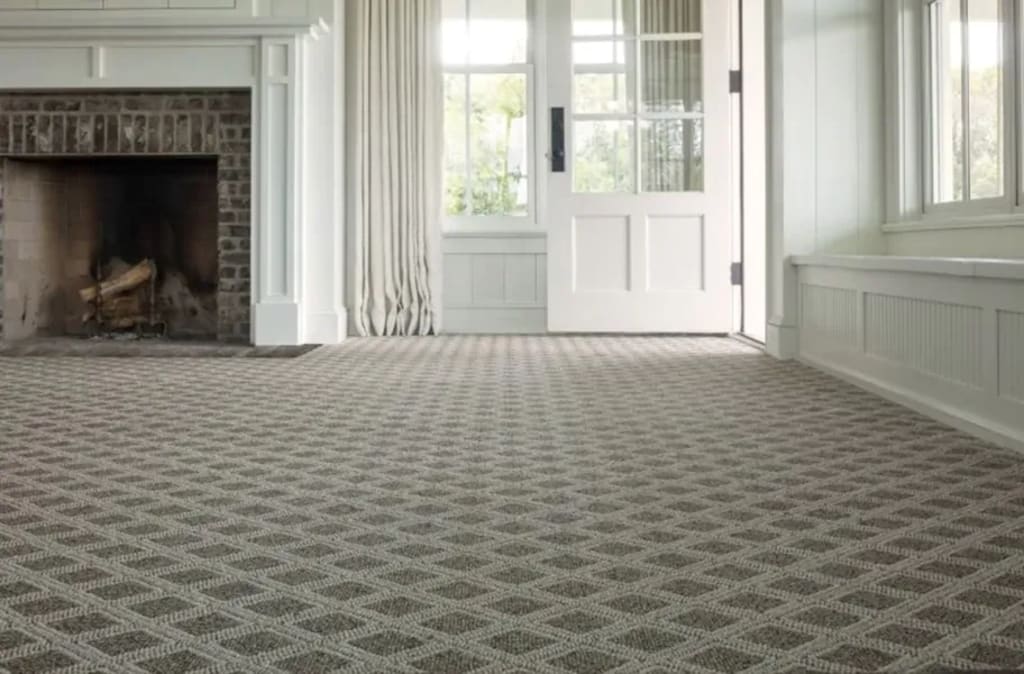
Restaurants require carpets that maintain their appearance over time. Selecting the right colour can conceal marks and high-traffic patterns. Mid-tone colours—like heathered greys, dark taupes, or flecked blues—tend to wear more gracefully than solid pale shades or deep blacks, which can highlight scuffs and lint.
Pile structure is also key. Loop pile carpets resist crushing, while textured or patterned finishes mask uneven wear. By choosing smart combinations of colour and pile construction, restaurant operators can extend the visual life of their flooring and reduce the frequency of deep cleans or replacements.
Installation and Maintenance Essentials
Planning for busy service schedules
Installing or replacing flooring in a restaurant setting requires careful coordination. Timing is everything, particularly in spaces with minimal downtime. Most commercial carpet suppliers offer phased installation options or out-of-hours service to minimise disruption. For restaurants, this means work can be scheduled overnight or between service windows without affecting operations.
Advance planning with the installer ensures proper acclimatisation of materials and reduces the chance of post-installation issues. Site assessments should include furniture logistics, temperature conditions, and subfloor readiness—factors that all influence the longevity and performance of the carpet.
Underlay and installation techniques
The right underlay can enhance both comfort and performance. In commercial settings, underlay not only improves acoustic insulation but also extends the lifespan of the carpet by absorbing footfall impact. High-density options made from recycled materials offer durability and environmental benefits in one.
Installation methods vary depending on the product and area use. In restaurants, stretch-fit and double-stick systems are common, providing stability and ease of replacement. For areas requiring moisture resistance—such as entrances—specialist backing and barrier systems are often specified to prevent premature degradation.
Ongoing care to extend carpet life
Routine maintenance is essential for preserving the look and function of commercial carpet for restaurants. This includes daily vacuuming, scheduled deep cleaning, and immediate spot treatment when spills occur. Restaurants should develop a clear cleaning schedule that aligns with the material’s recommendations to prevent fibre breakdown or colour fading.
Equally important is staff awareness. Training front-of-house and cleaning teams to handle carpeted spaces correctly—using appropriate cleaning agents and equipment—can significantly improve long-term performance. Partnering with the carpet supplier for maintenance advice or refresher guidance is often worthwhile.
Sustainability and Material Responsibility
Eco-friendly fibres and recyclable options
Sustainability is increasingly influencing carpet selection. Many commercial carpets now incorporate recycled fibres or biodegradable materials without compromising performance. Wool remains a preferred natural option, as it is renewable, compostable, and has a low energy production footprint.
Beyond fibres, manufacturers are looking at every component, including the backing and adhesives. Some commercial carpets use recycled plastics or plant-based solutions, helping venues meet sustainability targets and appeal to eco-conscious diners.
Acoustic insulation with recycled underlays
Sound management is vital in restaurants, and underlays made from recycled materials, such as rubber from automotive tyres, offer excellent acoustic performance. These products cushion footfall, reduce noise transmission, and help control the general atmosphere within busy dining environments.
Using recycled underlay not only supports acoustic goals but also aligns with green building standards. This can be particularly relevant for restaurants seeking BREEAM, SKA, or LEED accreditation as part of wider commercial or refurbishment projects.
Meeting environmental accreditations
Choosing environmentally responsible flooring can contribute towards official accreditations and building performance ratings. Many commercial carpets come with Environmental Product Declarations (EPDs), ISO certifications, or comply with Building Research Establishment (BRE) standards.
For restaurant operators, these certifications aren’t just box-ticking exercises—they serve as visible signals to guests and stakeholders that sustainability is considered in every aspect of the business. It’s a strategic decision that can enhance brand image and support future growth.
Why Commercial Carpet for Restaurants Is a Smart Investment
Cost-effectiveness over time
Commercial carpet for restaurants offers long-term value by balancing upfront costs with durability, maintenance efficiency, and aesthetic longevity. Unlike hard floors, which can show scuffs or wear rapidly in high-traffic settings, quality carpet hides marks more effectively and often requires less frequent replacement.
Initial investment in the right product—combined with a structured maintenance plan—can significantly reduce lifecycle costs. When calculated over a period of 7 to 10 years, many commercial carpets outperform alternative flooring types on overall cost-effectiveness. For restaurants, this translates into more consistent presentation and less disruption from frequent refurbishments.
Enhancing customer comfort and ambience
Flooring directly influences the way a dining space feels. Carpet offers warmth, reduces noise, and creates a softer atmosphere that makes guests more comfortable. Unlike tiles or timber, carpeted floors prevent harsh echoes, helping patrons enjoy conversation without needing to raise their voices. That matters in both casual and fine dining settings.
Restaurants looking to create a distinct identity often rely on sensory experience—texture, sound, lighting, and scent—to define their environment. Carpet supports this by reducing sharp footstep noise, adding subtle softness underfoot, and visually unifying different zones across the space. It’s not just flooring—it’s part of the overall ambience.
Supporting brand identity through flooring
Carpet can reinforce a restaurant’s visual identity in subtle but powerful ways. Whether through colour, texture, or custom pattern, the flooring helps anchor the interior design. A bespoke commercial carpet allows restaurants to weave elements of their logo, story, or menu into the space, helping reinforce brand recognition and loyalty.
Restaurants with strong identities often find that guests comment on the interior as much as the food. Flooring plays a key role in that impression. A custom or carefully selected carpet can set a venue apart—especially in a crowded hospitality market.
Final Note:
Selecting commercial carpet for restaurants is about far more than choosing something attractive underfoot. It requires a balance of performance, practicality, and design thinking to meet the demands of hospitality environments. Whether driven by acoustic needs, sustainability goals, or brand storytelling, carpet offers a unique opportunity to enhance every aspect of the dining experience.
About the Creator
Cavalier Carpets
As a British Carpet Manufacturer, we prioritise family, tradition and quality. We create exceptional carpets through hard work and dedication to our craft. We are Cavalier Carpets, the Family Carpet Maker.
Keep reading
More stories from Cavalier Carpets and writers in Journal and other communities.
Top Features to Look for When Choosing Marine Carpet for Your Business
If your business involves boats, marinas, or any kind of marine setting, you already know that a typical carpet just won't cut it. Whether you're outfitting a charter fleet, upgrading a fishing boat, or enhancing your customer lounge at a marina, choosing the right Marine Carpet is a decision that sticks with you — literally and financially.
By Cavalier Carpets6 months ago in Journal
Einstein’s Early Struggle: The 1895 Swiss Federal Polytechnic Entrance Exam and Lessons in Talent and Perseverance
In 1895, a 16-year-old Albert Einstein faced a setback that many might have seen as a sign of failure: he failed the entrance exam for the Swiss Federal Polytechnic in Zurich. While this moment is often remembered as a youthful stumble in the life of one of history’s greatest scientific minds, it offers profound insights into the nature of talent, learning, and perseverance. Einstein’s experience reminds us that early academic challenges do not define one’s potential, and that success often comes from persistence and leveraging one’s strengths.
By Salaar Jamali4 days ago in Journal




Comments
There are no comments for this story
Be the first to respond and start the conversation.