
Train Strikes: Impact on Transportation - A Comprehensive Look
Discover the causes, effects, and prevention strategies of train strikes in this detailed article. Learn from historical examples and current events.

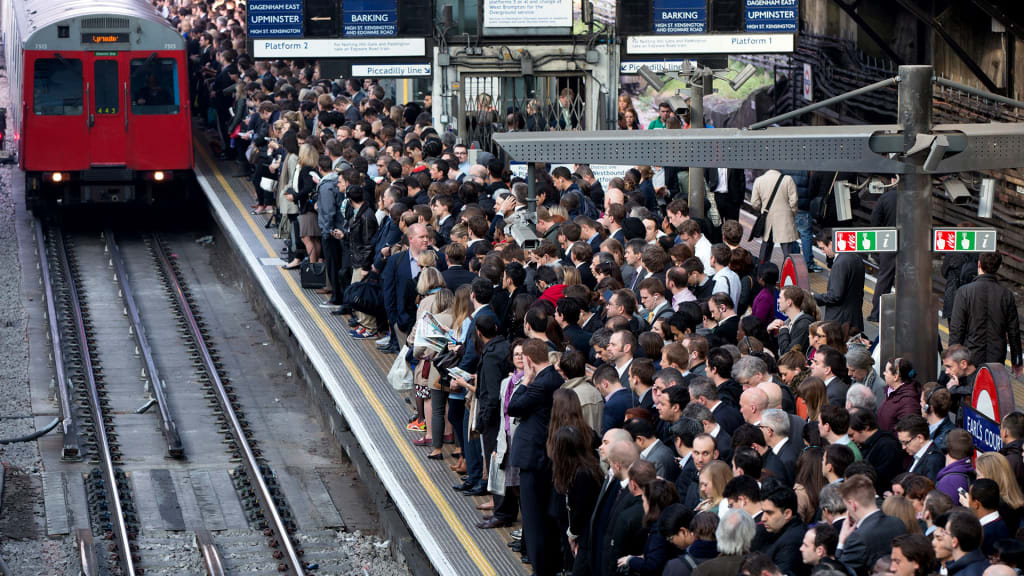
The Locomotive Standoff: A Comprehensive Look at Train Strikes and Their Impact on Transportation
Introduction
Train strikes are a disruptive and potentially dangerous occurrence in the transportation industry. These strikes occur when workers refuse to work, often due to labor disputes or safety concerns. The impact of train strikes is far-reaching, affecting not only the workers involved but also businesses and commuters who rely on trains for their daily transportation needs.
Definition of Train Strikes
A train strike occurs when railroad workers refuse to work as a form of protest or negotiation. These strikes can take many forms, including work stoppages, slowdowns, or picketing. Train strikes often arise from disputes over wages, benefits, working conditions, or safety concerns.
Historical Background of Train Strikes
Train strikes have been a part of American history since the mid-19th century when railroads first became a major mode of transportation. One notable early strike was the Great Railroad Strike of 1877 when railroad workers across the country went on strike to protest wage cuts and poor working conditions. This strike led to widespread violence and resulted in federal troops being sent to restore order.
In the early 20th century, unions began to form as an organized means for railway workers to negotiate better wages and working conditions with their employers. However, this did not eliminate train strikes entirely as labor disputes continued over issues such as union recognition and collective bargaining rights.
Importance of Trains in Transportation
Trains are an essential part of America's transportation system for both freight and passenger services. Railroads move vast quantities of goods across the country every day from raw materials like coal and oil to finished products like automobiles and consumer goods. In addition to freight transportation, trains provide an important mode for long-distance travel for millions of Americans each year.
Trains are an economical means of travel that allows passengers a chance to see parts of the country they may not otherwise get to experience. Furthermore, trains are an environmentally friendly alternative to cars and airplanes, producing less carbon emissions per passenger mile traveled.
Train strikes can have a significant impact on the transportation industry and the communities it serves. A better understanding of the causes and effects of train strikes can help stakeholders work together to prevent these disruptions in the future while still prioritizing worker safety and fair labor practices.
Causes of Train Strikes
Labor disputes and negotiations
One of the leading causes of train strikes is labor disputes between employees and management. This can include disagreements over wages, benefits, working conditions, and job security. When negotiations break down between the two sides, workers may choose to go on strike as a way to put pressure on management to meet their demands.
For example, in 2019, Canadian Pacific Railway workers went on strike due to concerns over long hours and an increased workload without adequate compensation. The strike resulted in significant disruptions to freight services across Canada until a collective bargaining agreement was reached between the union and the railway company.
Safety concerns and equipment failure
Safety concerns are also a major cause of train strikes. Workers may go on strike if they feel that their safety is at risk due to inadequate safety measures or faulty equipment.
In some cases, workers may refuse to operate trains unless certain safety standards are met. Equipment failure is another common cause of train strikes.
Trains rely heavily on complex machinery such as engines, brakes, signals and switches that require regular maintenance checks to ensure their proper functioning. If this maintenance is not conducted regularly or if there are deficiencies in the quality of repair work done by maintenance staff it can lead to equipment failure which can result in accidents or delays.
Infrastructure issues and maintenance delays
The third key factor behind train strikes is infrastructure issues such as track defects or signal malfunctions which necessitate repairs or replacement work that often take time leading to delayed schedules for trains. Maintenance delays can also result from miscommunication between management departments when scheduling repairs which results in further delays when situations arise like multiple requests for urgent repairs happening simultaneously putting excessive pressure on maintenance teams resulting in reduced service reliability.
Labor disputes over wages & working conditions account for about half of all railroad strikes while infrastructure issues and equipment malfunctions account for the remaining half of all strikes. Safety concerns also play a significant role in this equation, with workers often unwilling to operate trains unless they feel safe and confident that their equipment is functioning correctly.
Effects of Train Strikes
Economic Impact on Businesses and Commuters
Train strikes can have serious economic consequences for both businesses and commuters. When trains are not running, it can be difficult for workers to get to their jobs, causing significant productivity losses.
Additionally, businesses that rely on trains to transport goods and materials may experience delays or disruptions in their supply chain, leading to lost revenue. In some cases, these economic impacts can ripple throughout the entire regional or national economy.
Disruption of Transportation Services
Perhaps the most obvious effect of train strikes is the disruption of transportation services. Railways are a critical part of many transportation networks around the world, meaning that when they don't run, it can be challenging for people to get where they need to go. This could mean missed appointments or canceled plans, or even more serious consequences like medical emergencies that cannot be attended to quickly enough due to traffic congestion.
Safety Risks for Passengers and Workers
Train strikes pose safety risks for both passengers and workers. When trains aren't moving as scheduled, people may decide to take alternative modes of transportation that may not be as safe or reliable as trains themselves. Additionally, workers who are involved in maintaining or repairing trains may face increased pressure during a strike situation which could lead them to make mistakes that put their own safety at risk.
In extreme cases where protests turn violent during strikes (as has happened in some countries), the safety risks can become even more severe and potentially deadly for all involved parties. Train strikes have far-reaching effects on economies and societies beyond just labor disputes between unions and management.
The disruption of transportation networks affects commuters' daily lives while also causing financial losses for businesses and individuals alike. Moreover, The importance of ensuring proper safety measures must not be overlooked by stakeholders during negotiations in order to prevent avoidable accidents on and off the rails.
Examples of Notable Train Strikes
Train strikes have been a part of transportation history for over a century. The Great Railroad Strike of 1877 was one of the first and largest strikes in American history, with workers from several railroad companies protesting wage cuts.
The Pullman Strike of 1894 involved workers from the Pullman Palace Car Company demanding better wages and working conditions, and it ultimately led to the involvement of federal troops. More recently, France experienced a major railway strike in 2018, with workers protesting President Emmanuel Macron's proposed changes to labor laws and retirement benefits.
Prevention and Resolution Strategies
To prevent train strikes from happening in the future, various strategies can be employed. One important approach is the use of collective bargaining agreements between labor unions and management. These agreements outline fair wages, benefits, and working conditions for employees while ensuring that management can operate their businesses efficiently.
Additionally, regular maintenance checks on trains, tracks, signals, etc., are crucial to detecting potential problems before they become major safety concerns. Improved communication between management, workers, and the public can help address issues before they escalate into full-blown strikes.
Conclusion
Trains remain an important mode of transportation for people all over the world. While train strikes can be disruptive for commuters and businesses alike, there are many preventative measures that can be taken to ensure that they do not occur frequently or cause significant harm. By prioritizing safety measures such as maintenance checks and effective communication channels between stakeholders, we can help create a safer railway system that serves everyone well.
About the Creator
Richard Metz
I write about thoughts and feelings in an attractive and poignant way. I use the pen as a tool to take my readers into new worlds. . I seek to inspire others and leave a positive impact.
Keep reading
More stories from Richard Metz and writers in Journal and other communities.
Dallas Stars: Hockey Excellence in the Lone Star State
The Dallas Stars: A Brief History of Success Introduction The Dallas Stars are a professional ice hockey team based in the city of Dallas, Texas. The team was founded in 1967 as the Minnesota North Stars and later moved to Dallas in 1993.
By Richard Metz3 years ago in Journal
The goals I did not achieve
Every writing goal I made for the year is a wash. It has been this way for a while, but I think it's important to be open about my failures and the reality of how life can get in the way. This is especially true considering the several times I have posted on Vocal about my writing goals, how I was changing my approach, and where I was hoping to be for the upcoming year. I will probably do that again in a couple months, but for now, it is time to acknowledge where I am today.
By Kay Husnick20 days ago in Journal
The Councils of the Church and Why They Were Important
The Catholic Church has faced countless challenges since its founding, from doctrinal disputes to external persecution. One of the most important ways the Church has maintained unity, clarified its teachings, and preserved the faith is through ecumenical and local councils. Church councils are formal gatherings of bishops and Church leaders to deliberate on matters of doctrine, discipline, and practice. These gatherings have shaped Christianity as we know it today, ensuring that the Church remains faithful to the teachings of Christ and the apostles.
By Sound and Spirit2 days ago in Journal
"Hear Me Out"
"Hear me out, what if we ran away together?" "Where do you want to go?" "Anywhere but here. We could move to a new city or to Canada, or we could disappear from society to live in the middle of the woods. Maybe a combination of two of those things would be good. What do you say?"
By Kay Husnick7 days ago in Fiction


Comments
There are no comments for this story
Be the first to respond and start the conversation.