
Tourism: The Double-Edged Sword of Progress and Preservation
Exploring the Balance Between Economic Growth and Sustainable Development
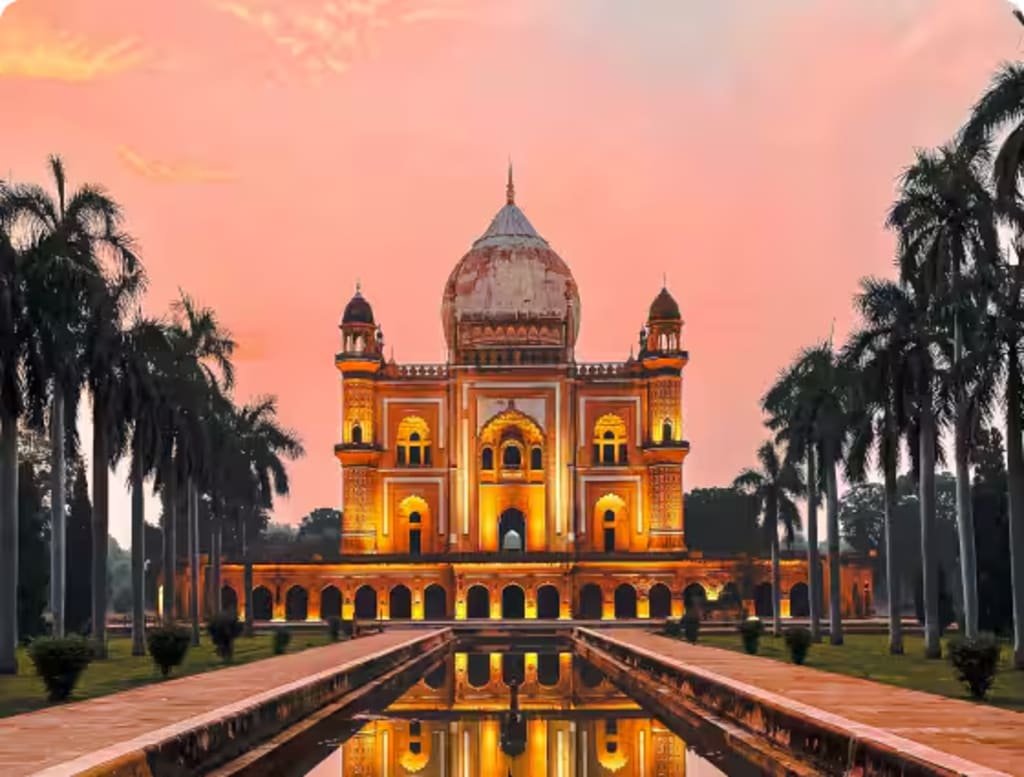
In today’s interconnected world, tourism has emerged as a powerful force driving global economies, fostering cultural exchanges, and opening up new frontiers for adventure. From the serene beaches of Goa to the majestic temples of Varanasi, India’s rich cultural attractions and natural beauty attract millions of visitors each year. However, behind the allure of these destinations lies a complex truth—tourism is not without its challenges. While it creates opportunities for growth and understanding, it also poses significant risks to local communities, the environment, and cultural heritage. As we embark on a journey through the world of tourism, we will explore its undeniable benefits as well as the unintended consequences that accompany the increasing demand for travel. Can the benefits of tourism truly outweigh its costs? Let’s explore both sides of the story.
The Good Aspects of Tourism
Economic Growth
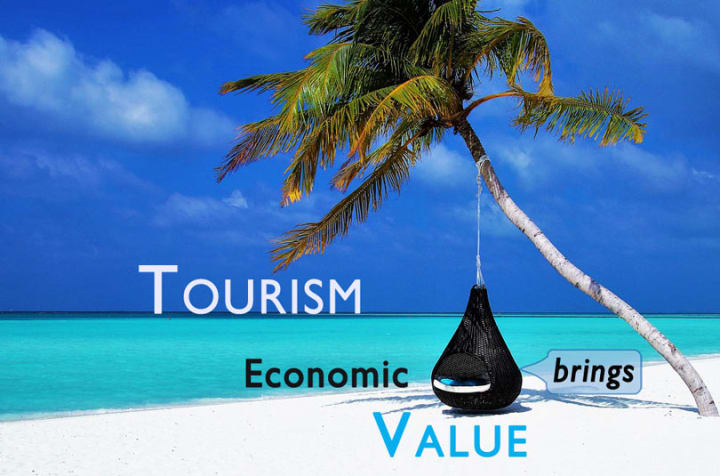
Tourism is a major contributor to local and national economies. It generates revenue for businesses, including hotels, restaurants, transport services, and attractions. For example, in countries like India, tourism provides livelihoods to millions, especially in regions reliant on the travel industry.
Example: The Taj Mahal in Agra attracts millions of tourists each year, benefiting local vendors, guides, and small businesses.
Cultural Exchange
Tourism promotes cultural exchange, helping people from different backgrounds understand and appreciate each other’s traditions, languages, and lifestyles. This fosters global tolerance and respect.
Example: In places like Rajasthan, tourists often participate in local festivals like Diwali and Holi, learning about traditional customs while engaging with locals.
Conservation of Heritage
Well-managed tourism can lead to the preservation of cultural and natural heritage sites, as the funds generated can be reinvested into maintaining and protecting these landmarks.
Example: UNESCO World Heritage Sites, like Hampi or the Ajanta and Ellora Caves, attract international attention, encouraging governments and organizations to invest in their preservation.
Infrastructure Development
Tourism often leads to the development of infrastructure, such as better roads, airports, and public services, which can benefit local residents as well as tourists.
Example: The construction of new airports in popular destinations like Goa or Kerala has improved accessibility and infrastructure, benefiting both the tourism industry and the local communities.
The Bad Aspects of Tourism

Environmental Degradation
Mass tourism can lead to environmental harm, such as pollution, deforestation, and the destruction of fragile ecosystems. Overcrowding in popular destinations can strain local resources, including water, waste management, and energy.
Example: The over-tourism in places like Venice or the Maldives has led to rising pollution levels and damage to coral reefs and local habitats.
Cultural Erosion
In some cases, tourism can result in the commodification of local culture. Traditional customs may be altered or simplified to cater to tourists, losing their authentic essence.
Example: In some tourist-heavy regions of India, rituals and cultural practices are sometimes reduced to "performances" for visitors, stripping away their deeper meaning.
Economic Disparities
While tourism generates revenue, the benefits often aren't equally distributed. Local communities, especially those in less popular areas, may not see the financial rewards, and the cost of living in tourist hotspots can rise, making it difficult for locals to afford basic services.
Example: In popular tourist cities like Paris or Barcelona, locals often find themselves priced out of certain neighborhoods due to inflated rent prices and living costs driven by tourism.
Overcrowding and Strain on Resources
Popular tourist destinations often face overcrowding, which can diminish the quality of the experience for both tourists and locals. The high volume of visitors can lead to congested streets, overcrowded attractions, and higher costs for basic goods and services.
Example: In places like Kyoto, Japan, and certain areas in the Swiss Alps, overcrowding has led to the degradation of tourist experiences and put immense pressure on local infrastructures, such as transport and accommodation.
Impact on Local Communities
In some cases, tourism can lead to the displacement of local populations, as tourist developments push them out of their homes or communities. The influx of foreign visitors can sometimes disrupt the social fabric of a region, especially when tourists are insensitive to local customs.
Example: In Bali, rapid tourism development has contributed to land disputes and the displacement of local farmers in certain areas, while traditional villages are increasingly being replaced by hotels and resorts.
Conclusion
Tourism is a powerful force, with both positive and negative impacts. When managed responsibly, it can be a tool for economic growth, cultural exchange, and environmental conservation. However, if left unchecked, it can harm local communities, strain resources, and diminish the very qualities that make destinations unique. Sustainable tourism practices—such as supporting local businesses, minimizing environmental impact, and respecting local cultures—are essential for ensuring that tourism benefits all stakeholders and leaves a positive legacy for future generations.


Comments
There are no comments for this story
Be the first to respond and start the conversation.