
Top Trends in Metal Fabrication Services for 2024
Exploring the latest innovations and technologies shaping metal fabrication in 2024.

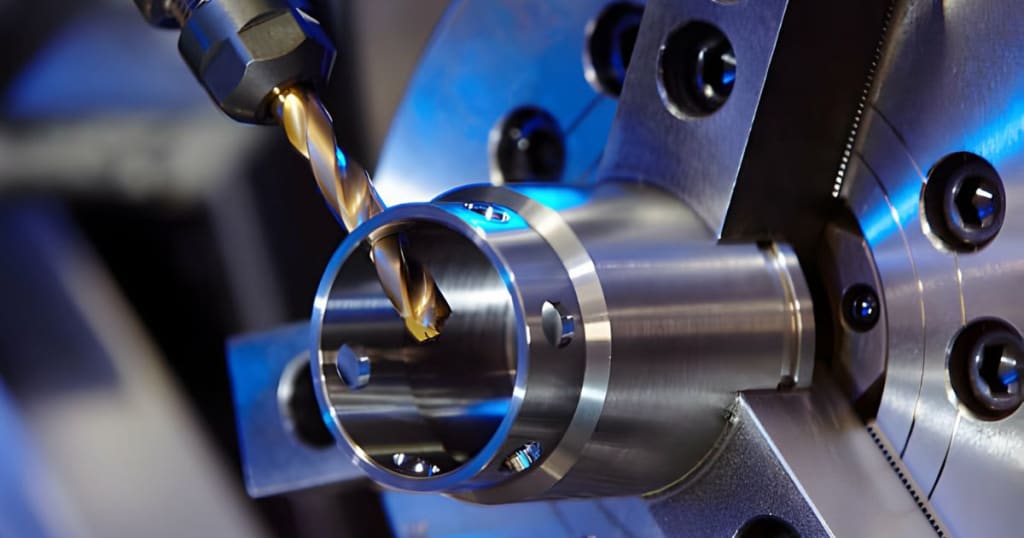
2024 is going to be just another year of change in the world of metal fabrication. New trends are emerging to change the way we approach metal fabrication services as industries and technology change. With these trends, you’ll stay updated with the technology, implement them in your CNC machine shop and stay ahead of the competition.
This year, there will be an emphasis on more eco-friendly and intelligent automation, sustainable methods, and cutting-edge materials that should improve manufacturing productivity. We'll examine the top metal fabrication service trends for 2024 in this blog and consider how they might affect your projects and company. Let's examine what's approaching in more detail!
Trend 1: Advanced Automation and Robotics
Automation technologies have come a long way in metal fabrication, with tools like CNC machines, automated cutting systems, and robotic welders becoming standard in many workshops. These technologies are designed to perform repetitive tasks with high accuracy and consistency, reducing the need for manual intervention.
For instance, CNC machines can execute complex designs with precision, while robotic arms handle tasks like welding, cutting, and material handling with speed and reliability.
The integration of advanced automation and robotics in metal fabrication has significantly improved both efficiency and precision. Automated systems can work continuously with minimal downtime, allowing for faster production cycles and higher output.
Precision is also enhanced as these machines can perform tasks with exacting detail, reducing the margin of error and ensuring consistent quality across large batches. This means fewer mistakes, less material waste, and lower overall production costs.
Examples of How Robotics Are Being Integrated into Fabrication Processes
Robotics are being integrated into various stages of the metal fabrication process. For example:
- Robotic Welding: Robots equipped with sensors and AI can perform high-precision welds, even in complex or hazardous environments, improving safety and reducing defects.
- Automated Cutting: Laser and plasma cutting robots can cut intricate patterns from metal sheets with exceptional accuracy, faster than manual methods.
- Material Handling: Robots are used to move heavy metal parts around the workshop, streamlining the workflow and reducing the risk of injury.
- Assembly: In some cases, robotic systems are even used in the assembly of metal components, ensuring perfect alignment and reducing assembly time.
Trend 2: Increased Use of AI and Machine Learning
Artificial Intelligence (AI) and Machine Learning (ML) are increasingly being integrated into metal fabrication to optimize processes, enhance quality, and reduce downtime. AI involves the use of algorithms and software to perform tasks that typically require human intelligence, such as decision-making and problem-solving. Machine Learning, a subset of AI, enables systems to learn from data, identify patterns, and make decisions with minimal human intervention.
In metal fabrication, AI and ML are applied in various ways:
- Predictive Maintenance: AI algorithms analyze data from machinery to predict when maintenance is needed before a breakdown occurs.
- Quality Control: ML models can detect defects in fabricated parts by analyzing images or sensor data in real time, ensuring consistent quality.
- Process Optimization: AI-driven analytics optimize fabrication processes by analyzing data to suggest improvements in workflows, tool usage, and machine settings.
- Energy-Efficient Machinery: Using machines that consume less energy and operate more efficiently helps reduce overall energy usage and operational costs.
- Recycling and Reusing Materials: Implementing systems to recycle scrap metal and reuse materials reduces waste and conserves resources. Many fabrication shops now have dedicated recycling programs for metal offcuts and remnants.
- Eco-Friendly Materials: Opting for materials with lower environmental impacts, such as recycled metals or those with sustainable sourcing, contributes to greener fabrication practices.
- Low-Emission Technologies: Adopting technologies that produce fewer emissions during manufacturing processes helps minimize the environmental footprint of fabrication activities.
- Green Certifications: Pursuing certifications like ISO 14001, which focuses on effective environmental management systems, demonstrates a commitment to sustainable practices and helps organizations improve their environmental performance.
- Complex Geometries: Additive manufacturing allows for the creation of complex and customized designs that traditional methods might struggle with or require multiple parts to assemble.
- Material Efficiency: Since the process adds material rather than removing it, there is less waste, making it a more resource-efficient option.
- Faster Prototyping: 3D printing speeds up the prototyping phase, allowing for quicker iterations and modifications to designs without the need for expensive tooling.
- Reduced Lead Times: Shorter production cycles and the ability to produce parts on demand reduce lead times, which can improve overall project turnaround times and inventory management.
- Increased Strength and Durability: New materials often offer superior mechanical properties, such as higher tensile strength and fatigue resistance, which enhance the overall durability of fabricated components.
- Enhanced Corrosion and Wear Resistance: Advanced alloys can withstand harsh environmental conditions and resist corrosion, leading to longer-lasting products with reduced maintenance needs.
- Improved Thermal and Electrical Conductivity: Some new materials provide better thermal management and electrical conductivity, making them suitable for high-performance applications like electronics and heat exchangers.
- Malware and Ransomware: Cyber attackers can infiltrate manufacturing networks, encrypt critical data, or take control of machinery, demanding a ransom for its release.
- Phishing Attacks: Employees might inadvertently give attackers access to the system through deceptive emails or links, leading to data breaches or unauthorized access.
- Industrial Espionage: Competitors or malicious entities may attempt to steal proprietary designs, trade secrets, or manufacturing techniques.
- System Vulnerabilities: Outdated software, unpatched systems, and insecure IoT devices can serve as entry points for cyberattacks, compromising the entire production process.
- Supply Chain Attacks: Weaknesses in the supply chain can also be exploited to introduce malware or disrupt production, especially if third-party vendors do not maintain robust cybersecurity measures.
- Regular Software Updates: Keep all systems and devices current with the latest security patches to prevent vulnerabilities.
- Network Segmentation: Separate critical production systems from less secure areas to contain potential malware.
- Employee Training: Train employees to recognize phishing, maintain strong passwords, and follow cybersecurity protocols.
- Access Control: Restrict access to sensitive systems and data to authorized personnel only.
- Data Encryption: Encrypt sensitive data during storage and transmission to protect against unauthorized access.
- Incident Response Plan: Maintain an updated incident response plan to quickly address and mitigate security breaches.
- CNC Machining: Enables precise, repeatable manufacturing of complex custom designs with tight tolerances.
- Additive Manufacturing: 3D printing creates intricate, bespoke metal parts without costly tooling, ideal for custom or low-volume production.
- CAD Software: Allows easy adjustment of digital models to meet custom specifications, streamlining design to production.
- Laser Cutting and Engraving: Provides precise cutting and marking, enabling detailed customization of shapes and patterns.
- Flexible Manufacturing Systems: Quickly adapt to different production tasks, accommodating custom orders with minimal downtime.
Benefits: Predictive Maintenance, Quality Control, Process Optimization
Predictive Maintenance: Traditional maintenance is reactive or preventive, but predictive maintenance, driven by AI, forecasts equipment failures using real-time data. This approach minimizes downtime, extends machinery lifespan, and reduces costs.
Quality Control: AI and ML enhance quality control by automating defect detection in metal parts, ensuring higher accuracy than manual inspection. This reduces rework, waste, and ensures consistent product quality.
Process Optimization: AI analyzes production data to optimize processes, improve machine precision, reduce material waste, and streamline workflows. This leads to increased productivity and lower operational costs.
Trend 3: Sustainable and Green Fabrication Practices
As environmental concerns gain prominence, the metal fabrication industry is increasingly focusing on sustainable and eco-friendly practices. Companies are recognizing the need to reduce their carbon footprint and environmental impact, driven by regulatory pressures, consumer demand for greener products, and a commitment to corporate social responsibility. This shift towards sustainability is influencing how metal fabrication processes are designed and executed, aiming to minimize waste, energy consumption, and pollution.
Techniques and Materials Promoting Eco-Friendly Fabrication
Trend 4: Adoption of Additive Manufacturing
Additive manufacturing, commonly known as 3D printing, is a process where objects are created by adding material layer by layer based on digital designs. Unlike traditional manufacturing methods that often involve cutting away material from a larger block (subtractive manufacturing), additive manufacturing builds up the material to form complex shapes and structures. This technique uses various materials such as plastics, metals, and composites, and can produce items with intricate geometries that are difficult or impossible to achieve with conventional methods.
Benefits Of Traditional Fabrication Methods
Future Potential and Current Applications in Metal Fabrication
Additive manufacturing in metal fabrication is set to advance with more material options, faster printing speeds, and greater precision. This could lead to broader adoption and new applications in aerospace, automotive, and medical industries.
Metal 3D printing is currently used for high-performance aerospace and automotive parts, custom medical implants, and complex tooling. It’s ideal for low-volume, high-value parts where traditional methods are costly or impractical.
Trend 5: Enhanced Materials and Alloys
Recent advancements in material science have led to the development of new alloys and materials tailored for specific applications in metal fabrication. These innovations include high-strength alloys, corrosion-resistant materials, and materials with improved thermal and electrical conductivity. Examples include titanium alloys for aerospace, high-performance stainless steels, and advanced composites with metal matrixes.
Advantages Offered by These Advanced Materials
Impact on Product Durability and Performance
The use of these advanced materials significantly boosts product durability and performance. Components made from high-strength alloys are less likely to fail under stress, while materials with better corrosion resistance extend the service life of products exposed to harsh conditions. Enhanced thermal and electrical properties contribute to more efficient and reliable operation in specialized applications. Overall, these innovations enable the production of more resilient, high-performing components, leading to better performance and reduced lifecycle costs.
Trend 6: Digital Twins and Simulation
Digital twin technology involves creating a virtual replica of a physical object, system, or process. This digital model mirrors the real-world counterpart and is continuously updated with real-time data. In metal fabrication, digital twins can represent machinery, products, or entire production lines, allowing engineers to monitor performance, predict outcomes, and optimize operations without physically interacting with the actual object.
Simulations, powered by digital twins, allow engineers to test and refine designs in a virtual environment before actual production begins. By running simulations, they can identify potential issues, optimize material usage, and evaluate how different variables affect performance. For example, stress tests, thermal analysis, and structural simulations can be conducted on the digital twin to predict how a part or system will behave under various conditions.
This process helps in making informed design decisions, improving accuracy, and ensuring that the final product meets desired specifications.
Using digital twins and simulations significantly reduces the need for physical prototypes, which can be time-consuming and expensive to produce. By iterating designs in the virtual world, companies can avoid costly trial-and-error cycles, shorten development timelines, and bring products to market faster.
Additionally, this approach minimizes material waste and labor costs associated with traditional prototyping. The result is a more efficient design process that delivers high-quality products while saving time and resources.
Trend 7: Cybersecurity in Fabrication Processes
As metal fabrication processes become increasingly digital and interconnected, cybersecurity has become a critical concern. The integration of smart technologies, IoT devices, and networked machinery in manufacturing environments exposes companies to cyber threats that can disrupt operations, compromise sensitive data, and even damage equipment. The growing reliance on digital systems means that securing these processes is vital to protecting both the company’s intellectual property and its operational integrity.
Common Threats and Vulnerabilities in Metal Fabrication
Best Practices for Securing Digital Fabrication Processes:
Trend 8: Customization and Personalization Trends
In today’s market, there’s a growing demand for customized metal parts tailored to specific requirements. Industries like aerospace, automotive, and medical devices require components that meet precise specifications to enhance performance, fit unique designs, or fulfill specialized functions. This demand is driven by the need for differentiation, improved product performance, and the ability to meet unique client needs.
To meet this rising demand, metal fabrication services are evolving by offering more flexible and responsive production capabilities. Fabricators are increasingly focusing on small-batch and on-demand production, allowing for the creation of unique or limited-run parts without the cost and time associated with mass production. They are also collaborating closely with customers during the design phase to ensure the final product aligns perfectly with the client's specific requirements.
Tools and Technologies Enabling Greater Customization:
Conclusion
As we look ahead to 2024, the metal fabrication industry is set for an exciting year of innovation and transformation. From the rise of advanced automation and AI to the growing emphasis on sustainability and the adoption of cutting-edge technologies like additive manufacturing, these trends are reshaping how fabrication is done. Staying informed and adaptable to these changes is key for anyone in the industry. By embracing these trends, companies can not only improve efficiency and precision but also offer more customized solutions to meet the unique needs of their clients. The future of metal fabrication is bright, and those who stay ahead of the curve will be well-positioned to succeed in this dynamic landscape.
About the Creator
NGrimberg
My Name is Norm and I have a great deal of knowledge in CNC Machining.
The goals I did not achieve
Every writing goal I made for the year is a wash. It has been this way for a while, but I think it's important to be open about my failures and the reality of how life can get in the way. This is especially true considering the several times I have posted on Vocal about my writing goals, how I was changing my approach, and where I was hoping to be for the upcoming year. I will probably do that again in a couple months, but for now, it is time to acknowledge where I am today.
By Kay Husnick21 days ago in Journal
The Invisible Hand That Rules
In the heart of the city, there’s a building that no one notices. Its glass walls reflect the sun, its elevators glide silently, and its corridors smell of polished ambition. Decisions are made here that shape millions of lives, yet outside, the city breathes, unaware. The air hums with traffic, the chatter of cafes, the distant wail of sirens, and life moves on as though the building’s influence is nothing more than an echo.
By Jhon smith3 days ago in Journal




Comments
There are no comments for this story
Be the first to respond and start the conversation.