
Top Retaining Wall Designs to Enhance Your Property’s Aesthetic and Functionality
Top Retaining Wall Designs

Retaining walls are more than just functional structures; they are critical design elements that can significantly enhance the aesthetic appeal and usability of your property. By choosing the right design, you can transform sloped areas into attractive, usable spaces while also preventing soil erosion and managing water drainage. Here, we explore top retaining wall designs that combine beauty and practicality, ensuring your property stands out while performing its essential functions.
1. Stone Retaining Walls: Timeless Elegance
Stone retaining walls offer a classic, timeless look that blends seamlessly with natural surroundings. Available in various types, such as limestone, granite, and sandstone, stone walls are known for their durability and strength. They provide a rustic charm and can be designed in both dry-stacked and mortared styles. Dry-stacked walls, without mortar, allow for natural drainage while giving a more traditional, rugged appearance. In contrast, mortared stone walls offer a polished, refined look with a more structured finish.
2. Segmental Retaining Walls: Versatile and Cost-Effective
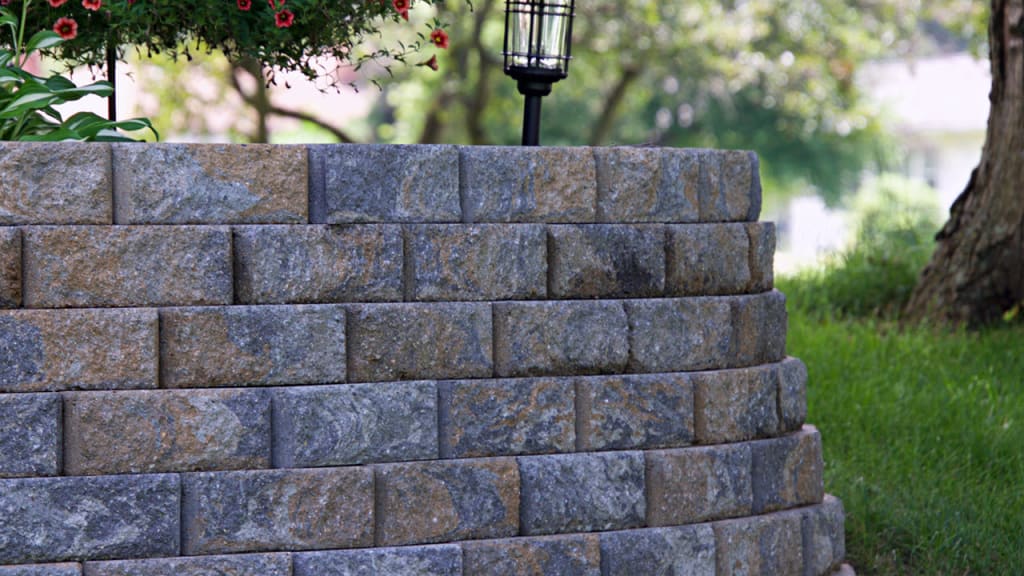
Segmental retaining walls are built using interlocking concrete blocks, making them a popular choice for their versatility and cost-effectiveness. These walls are easy to install, requiring no mortar, and offer the flexibility to create curves, angles, and varying heights. The interlocking system provides structural stability, making them suitable for both small garden beds and large-scale landscaping projects. Additionally, they come in various colors, textures, and sizes, allowing for customized designs that enhance your property’s aesthetic.
3. Gabion Retaining Walls: Modern and Industrial Appeal
Gabion walls consist of wire cages filled with stones or other materials, offering a contemporary, industrial look. These walls are highly durable, capable of withstanding harsh weather conditions, and are ideal for steep slopes or areas prone to erosion. Gabion walls are environmentally friendly, as they can be filled with recycled materials, and their porous nature promotes good drainage. The rugged texture of gabions adds a unique visual interest, making them a striking feature in modern landscape designs.
4. Wooden Retaining Walls: Natural and Warm
Wooden retaining walls provide a warm, natural aesthetic that complements outdoor spaces. They are typically constructed from treated timber or railroad ties to prevent rot and insect damage. While wooden walls may not be as durable as stone or concrete, they are easier and quicker to install. They are particularly suited for garden beds, terraced landscapes, and areas requiring a softer, more organic appearance. Regular maintenance, such as sealing and staining, can extend their lifespan and maintain their beauty.
5. Brick Retaining Walls: Classic and Durable
Brick retaining walls offer a traditional and sophisticated look, suitable for both contemporary and classic landscapes. Bricks are available in various colors, shapes, and textures, providing ample design possibilities. These walls are highly durable and require minimal maintenance, making them a long-lasting choice for any property. The structured, uniform appearance of brick walls can enhance the architectural style of your home, creating a cohesive and attractive outdoor space.
6. Living Retaining Walls: Eco-Friendly and Lush
Living retaining walls, also known as green or vegetated walls, incorporate plants into the structure, creating a lush, eco-friendly design. These walls use modular systems or geotextile bags filled with soil and vegetation. They not only provide the structural benefits of traditional retaining walls but also improve air quality, reduce heat, and promote biodiversity. Living walls are visually stunning, offering a vibrant, ever-changing landscape that enhances the natural beauty of your property.
7. Concrete Retaining Walls: Sleek and Modern
Concrete retaining walls are known for their strength and durability, making them suitable for both residential and commercial properties. They can be poured in place or constructed using precast panels. Concrete walls offer a sleek, modern aesthetic and can be customized with various finishes, such as exposed aggregate, stamped patterns, or stained colors. Their clean lines and minimalist look make them an excellent choice for contemporary landscapes.
Designing Your Retaining Wall
When selecting a retaining wall design, consider the following factors to ensure it meets both aesthetic and functional requirements:
Purpose: Determine the primary function of the wall, such as erosion control, creating level areas, or serving as a decorative feature.
Material: Choose a material that complements your property’s style and meets durability requirements.
Height and Length: Consider the size of the wall needed to achieve your desired outcome. Larger walls may require professional engineering to ensure stability.
Drainage: Ensure proper drainage to prevent water buildup and pressure behind the wall, which can lead to failure.
Maintenance: Consider the maintenance requirements of the chosen material and design.
Conclusion
Retaining walls are essential elements in landscape design that offer both practical benefits and aesthetic enhancements. By selecting the right design and materials, you can create a beautiful, functional outdoor space that adds value to your property. Whether you prefer the timeless elegance of stone, the versatility of segmental blocks, or the eco-friendliness of living walls, there is a retaining wall design to suit every taste and need. With thoughtful planning and professional installation, your retaining wall will not only serve its purpose but also become a standout feature in your landscape.
About the Creator
Landscape Express
Discover the art of outdoor transformation with Landscape Express DFW. Serving the Dallas-Fort Worth area, we're your premier destination for top-tier landscaping solutions.
Keep reading
More stories from Landscape Express and writers in Journal and other communities.
What Are Some Modern Retaining Wall Designs for Sloped Yards
Often it is observed that people having sloped yards face challenges when it comes to landscaping and most of it is related to constructing modern retaining walls. The retaining walls are crucial for the proper management of these slopes, preventing erosion, and creating usable outdoor spaces.
By Landscape Expressabout a year ago in Journal
Author’s Advice
If you would’ve asked me 20 years ago did I know I’d become a writer and an author, I would’ve said “nope, ain’t happening”. As fate would have it I did become an author and I can honestly say I’m loving it so far. It really does feel good to be a writer. I’ve learned a lot on this journey and I feel like with even me being as new to this world as I am, there’s some wisdom I need to share with every other aspiring author.
By Joe Patterson4 days ago in Journal
Sometimes It's Like That and That'sThe Way It Is
It was the late 1960s, and ten-year-old Gloria Coleman was standing with her grandmother on the side of the highway waiting for the bus. As the Greyhound pulled up, it seemed monstrous and intimidating. Grandma Elizabeth grabbed Gloria's hand, holding it tightly as they boarded.
By Cheryl E Preston2 days ago in Fiction



Comments
There are no comments for this story
Be the first to respond and start the conversation.