
Top 5 Richest Black Families in the World
Who They Are, How They Built Wealth, and What They Teach Us About Legacy

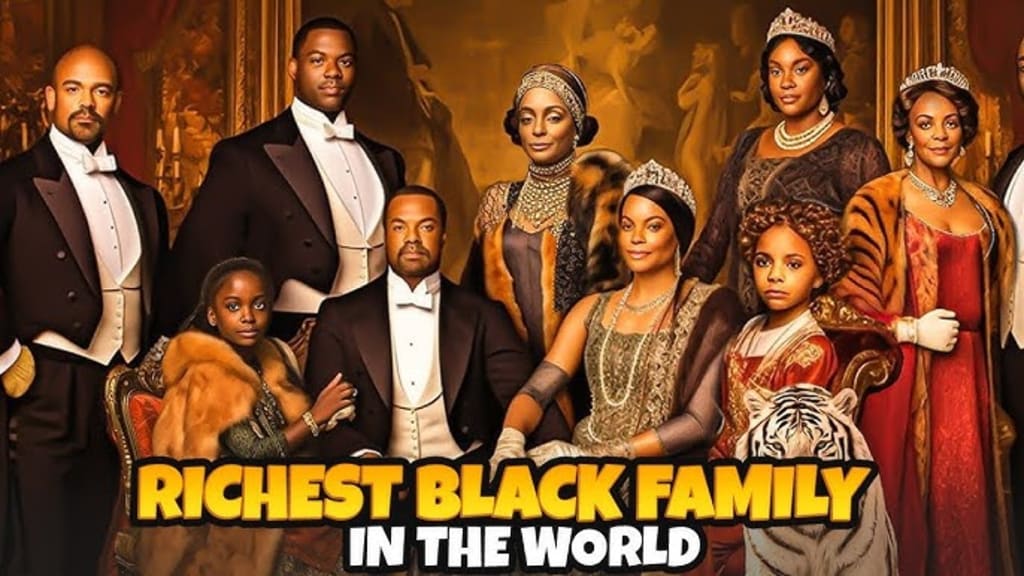
We live in a moment where wealth is shouted from headlines but whispered in family dining rooms. Behind every billionaire’s name lies a family — systems of values, risk, sacrifice, intergenerational planning, reputations, counsel, and sometimes, heavy burdens. This piece humanizes the tall numbers and makes sense of the businesses, histories, and legacies of the Top 5 richest Black families in the world as of 2025. I’ll tell not just who they are and how much they’re worth (with up-to-date sources), but how they made it, how they steward it, and what ordinary people can learn from their stories.
Quick note on sources: for the net worth figures and rankings I draw on Forbes’ 2025 coverage of the world’s billionaires and reputable business reporting for context. Where I cite net worth and ranking, you’ll see the
Overview — Why “families” matter in wealth lists
When headlines say “the richest person,” we think of an individual. But real wealth, the kind that lasts, is rarely individual. It’s institutional — built into companies, trusts, family offices, land holdings, and philanthropic vehicles. Families translate personal fortune into multi-generational influence when they:
- Embed governance (family councils, boards, trusts)
- Diversify across industries and geographies
- Use philanthropy to shape public narratives
- Educate heirs and professionalize management
So this list prioritizes family influence and legacy, not simply the single-person headline. With that in mind, here are the Top 5 richest Black families in the world (in no small part because of the individuals who lead them).
1) The Dangote Family — Nigeria (Aliko Dangote)
Why they’re here: Aliko Dangote has been Africa’s richest person for years; the Dangote family is a corporate dynasty centered on Dangote Group — cement, sugar, salt, flour, and now massive oil & refining ventures.
2025 estimate: Aliko Dangote’s net worth: ~$23.9 billion (Forbes 2025).
How they built it
Aliko Dangote’s story is classic: trade, volume, and control of key inputs. Starting as a commodities trader, Dangote shifted to manufacturing — building domestic supply where import-dependence had been crippling. Cement manufacturing became the backbone; sugar, flour, and salt followed. The group’s recent multibillion-dollar refinery and petrochemical complex near Lagos aims to upend Africa’s dependence on imported refined petroleum products — a bold, risky, legacy-defining bet that would substantially scale revenues and influence.
Family & structure
The Dangote family controls the holding company. Aliko is the public face, but the family’s broader governance — board structures, corporate executives, and philanthropic arms — anchors the broader legacy. Their public philanthropy and political ties also underscore the interplay of wealth and national development.
Why this matters
The Dangote story is less about stashing cash and more about building infrastructure at scale — factories, refineries, and logistics — that change a region’s economic capacity. That’s how financial wealth becomes structural power.
2) The Steward Family — United States (David Steward & World Wide Technology)
Why they’re here: David Steward, founder and chair of World Wide Technology (WWT), a massive IT services company, rose to the top of the richest Black Americans list. The Steward family now sits among the globe’s wealthiest Black families.
2025 estimate: David Steward’s net worth: ~$11.4 billion (Forbes reporting 2025).
How they built it
Steward founded WWT in 1990. Through disciplined government and enterprise contracting, partnerships with major tech vendors, and an emphasis on operational excellence, WWT’s revenues grew into the many billions. The company’s scale and margins created significant private wealth which Steward has channeled into other holdings, philanthropy, and long-term family wealth structures.
Family & structure
Unlike some family empires built on natural resources, the Steward family’s wealth arises from professional services, contracts, and technology distribution — industries where scalability and recurring revenues are king. Steward also invests in family philanthropic work and has been active in community institutions and boards.
Why this matters
Steward’s path illustrates wealth creation through services, scale, and strategic partnerships — a model replicable in other industries where intellectual capital and operational excellence drive returns.
3) The Smith Family — United States (Robert F. Smith & Vista Equity Partners)
Why they’re here: Robert F. Smith transformed private equity investing in enterprise software and built Vista Equity Partners into a powerhouse. The Smith family’s combined holdings and philanthropic commitments have elevated them into the global discussion of wealthy Black families.
2025 estimate: Robert F. Smith’s net worth: estimates around $10–11 billion (Forbes—varies by year).
How they built it
Vista specializes in acquiring and scaling enterprise software companies — businesses with recurring revenue, high margins, and defensible product moats. Smith’s thesis and operational playbook (Vista Best Practices) allowed the firm to institutionalize value creation across portfolio companies, producing outsized returns.
Family & structure
Smith is notable for strategic philanthropy (major donations to educational institutions and HBCUs) and for how he has tried to create an investment legacy beyond his name — via family philanthropy and investment vehicles that aim to expand opportunity and steward capital.
Why this matters
Smith’s model shows how intellectual property and buy-and-build private equity can create enormous wealth without a single physical asset like a mine or refinery. The family’s stewardship focuses on transformative philanthropy as much as profit preservation.
4) The Adenuga Family — Nigeria (Mike Adenuga)
Why they’re here: Mike Adenuga built fortune through telecom (Globacom) and oil (Conoil and investments). The Adenuga family remains one of Africa’s top dynasties.
2025 estimate: Mike Adenuga’s net worth: multibillion (Forbes estimates place him in the top wealth cohort for Nigeria and Africa).
How they built it
Adenuga’s path combined natural resources with telecommunications. By securing telecom licenses and investing in downstream oil assets, Adenuga struck a dual-engine approach — predictable cashflow from telecom subscriptions and highly profitable energy assets.
Family & structure
The family’s holdings are diversified across listed and private companies; family members have roles in corporate governance and philanthropy. Adenuga’s story also highlights longevity and patience — maintaining control across regulatory and market cycles.
Why this matters
Adenuga demonstrates the effectiveness of diversifying across regulated utilities (telecom) and commodity-driven sectors (oil) — and of using capital from one domain to underwrite expansion in another.
5) The Motsepe Family — South Africa (Patrice Motsepe & African Rainbow Minerals)
Why they’re here: Patrice Motsepe became the first Black African to appear on Forbes’ billionaires list. His mining, investments, and family initiatives have made the Motsepe family a leading African dynasty.
2025 estimate: Patrice Motsepe’s net worth: several billion (Forbes historical and 2025 profiles show him among Africa’s richest).
How they built it
Motsepe made his fortune in mining — a sector where scale, rights, and local know-how matter. His business approach combined thoughtful partnerships, public listings, and a focus on responsible business practices in extractive industries.
Family & structure
Motsepe has channeled wealth into family-led philanthropic foundations and investments. The Motsepe family is also known for social investment — pledging large parts of wealth to community development and national programs.
Why this matters
The Motsepe story highlights how natural resources combined with public capital markets can build structural wealth that can be redirected into social programs and legacy projects.
What this list is — and what it is not
This list is:
A snapshot (2025) of families whose influence and wealth are internationally recognized.
Focused on family legacy and institutional power, not a narrow single-person ranking.
Grounded in reputable business journalism and Forbes’ 2025 billionaire coverage for the major net worth claims.
This list is not:
A final or absolute ranking; wealth fluctuates (markets, currency, asset revaluations)
Exhaustive. There are notable wealthy Black families (e.g., political dynasties, regional business houses) whose fortunes are large but harder to quantify publicly.
Patterns and lessons from the richest Black families
Reading across these five families reveals common strategies that explain how modern dynasties are built.
1. Build where scarcity creates a moat
Dangote built refineries and cement plants in economies starved of local supply. Adenuga captured telecom licenses when mobile markets were exploding. Identify scarcity and own the supply chain.
2. Use capital to shift markets, not just participate in them
Motsepe and Smith used capital to reshape sectors — mining consolidation and private equity operationalization, respectively. Wealth grows fastest when capital changes an industry’s economics.
3. Professionalize management early
The families moved from founder-centric leadership to boards, family councils, and professional CEOs. Institutional governance matters for longevity.
4. Diversify intelligently
From tech services (Steward) to oil and telecom (Adenuga) to mining (Motsepe), these families hedge sector risk through diversification that makes sense with regional exposure and expertise.
5. Invest in narrative — philanthropy and public purpose
Family legacies are often softened or sanctified by philanthropy: endowments, donations to universities, public works. That’s both altruism and a reputational asset.
Deep dive: Governance & family offices — how they keep billions in the family
Large fortunes often follow three structures:
Family Holding Companies — control stakes and strategic direction (e.g., Dangote Group).
Family Offices — private wealth management and intergenerational transfer mechanisms.
Public Philanthropic Foundations — legacy branding, tax-efficient giving, and social influence.
The families on this list use combinations of all three. For anyone building long-term personal wealth, the roadmap is clear: move from reactive money management to intentional family governance.
Risks these families face (and how they mitigate them)
No dynasty is invincible. Common risks include:
Political risk & regulation: resource sectors and telecoms live under regulatory scrutiny. Mitigation: diversify across regions, maintain constructive government relations, strengthen corporate compliance.
Concentration risk: family wealth tied to one asset class can evaporate (commodity cycles are brutal). Mitigation: diversify, hedge, and reinvest into stable, recurring-revenue businesses.
Succession & governance disputes: poor planning causes fragmentation. Mitigation: formal family charters, trusts, and education of next-gen managers.
What regular people can learn (practical takeaways)
You don’t need billions to apply these ideas. Here are small, practical steps you can implement today:
Think long-term, not next-quarter. Build assets that generate income for years (rental property, businesses, digital products).
Professionalize finances. Use clear budgets, emergency funds, and long-term investment accounts.
Invest in human capital. Education, mentorship, and networks are the “moats” for professionals and entrepreneurs.
Estate planning early. Draft a simple will; understand beneficiary designations. Avoid family fragmentation.
Philanthropy = strategy. Even small, consistent community investments build reputation and purpose.
FAQs — short, shareable answers
Q: Who is the richest Black person in the world in 2025?
A: As of Forbes’ 2025 reporting, Aliko Dangote ranks as the richest Black billionaire, with an estimated net worth around $23.9 billion.
Q: Are these families ranked by family net worth or individual net worth?
A: The list focuses on family influence and legacy anchored by leading individuals whose net worths are publicly reported. Forbes’ billionaire profiles were used for the key figures cited.
Q: Does the Kenyatta family count as one of the richest Black families?
A: The Kenyatta family is wealthy and influential in Kenya, but global rankings typically place individuals like Dangote, Steward, Smith, Adenuga, and Motsepe ahead when using Forbes’ global billionaire data. Regional lists may highlight Kenyatta family assets and influence in East Africa.
Q: How often do these rankings change?
A: Yearly (or even daily) — because of market moves, new valuations, IPOs, and asset sales. For headline net worths, consult annual Forbes lists and reputable financial reporting.
(If you’d like, I can compile these into a downloadable one-page PDF with the net worth timeline for each family.)
Social-ready snippets (copy-paste)
Tweet-sized: “Aliko Dangote leads the world’s wealthiest Black families in 2025 — a $23.9B empire built on cement, sugar, and a $20B refinery that could reshape Africa’s energy future. Read more: [slug].”
Instagram caption: “From Dangote’s refineries to Steward’s tech empire, the Top 5 richest Black families show that scale, governance, and purpose create lasting legacy. Which family inspires your next business move? Full story in bio.”
Final thoughts — legacy over ledger
Numbers tell us scale; stories tell us reason. The richest Black families of 2025 ended up there not because of luck alone, but because of disciplined risk-taking, systems thinking, and a hunger to transform scarcity into supply. Some invested in iron and oil; others in code and contracts. Some turned capital into schools and hospitals.
If you’re building anything—business, career, family—ask yourself not just “How much?” but “What for?” The families above chose answers that scale. That’s the lesson that matters when you’re building a life, not just an income statement.
About the Creator
Omasanjuwa Ogharandukun
I'm a passionate writer & blogger crafting inspiring stories from everyday life. Through vivid words and thoughtful insights, I spark conversations and ignite change—one post at a time.
Keep reading
More stories from Omasanjuwa Ogharandukun and writers in Journal and other communities.
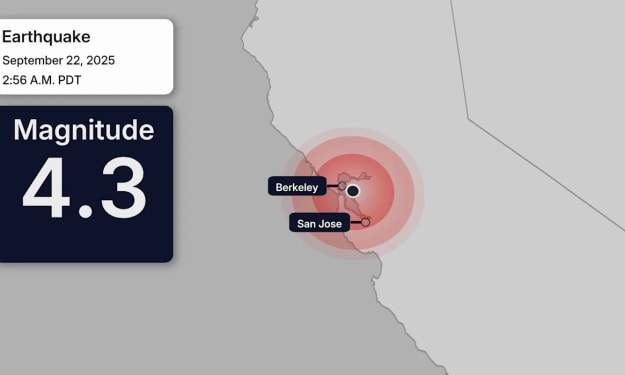
Earthquake Jolts California's Bay Area; Residents Report Shaking
In the stillness of the early morning hours, when most of California’s Bay Area was wrapped in slumber, the earth had other plans. At precisely 2:56 a.m. local time on Monday, September 22, 2025, a magnitude 4.3 earthquake jolted residents awake, sending ripples of unease across one of America’s most populous and earthquake-prone regions.
By Omasanjuwa Ogharandukun4 months ago in Journal
The goals I did not achieve
Every writing goal I made for the year is a wash. It has been this way for a while, but I think it's important to be open about my failures and the reality of how life can get in the way. This is especially true considering the several times I have posted on Vocal about my writing goals, how I was changing my approach, and where I was hoping to be for the upcoming year. I will probably do that again in a couple months, but for now, it is time to acknowledge where I am today.
By Kay Husnick24 days ago in Journal
Catholic Social Teaching and Modern Life
Catholic Social Teaching is a rich tradition that provides moral guidance on how to live out faith in society. Rooted in Scripture and the teachings of the Church, it addresses issues of human dignity, justice, care for the poor, and responsible stewardship of the world. Understanding Catholic Social Teaching helps believers apply their faith to modern challenges while staying true to God’s call for love, compassion, and justice.
By Sound and Spirit6 days ago in Journal
The Devil's Cut
“Comrade, finally you’re awake.” The voice was smooth, sensual. A flickering incandescent bar was all that lit the white, sterile room. All Vladimir remembered was everything going black. He tried to move his arms and found them strapped to the gurney.
By Matthew J. Fromm6 days ago in Fiction


Comments
There are no comments for this story
Be the first to respond and start the conversation.