
Top 5 Mistakes to Avoid in Job Interviews
Job Interviews
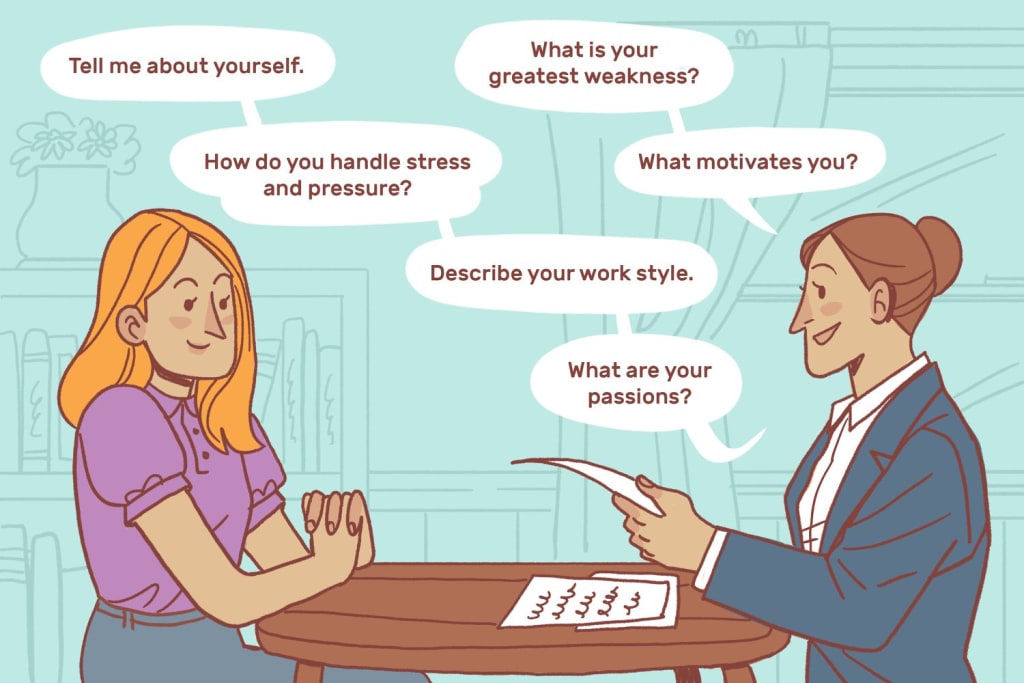
Job interviews are pivotal moments in any professional’s career journey. They offer an opportunity to showcase your skills, experience, and personality to a potential employer. However, even the most qualified candidates can sabotage their chances by making common yet avoidable mistakes. Whether you're a seasoned professional or a fresh graduate, being mindful of these pitfalls can significantly improve your performance and boost your chances of success.
In this article, we’ll dive into the top five mistakes to avoid during job interviews, explore their impact, and provide actionable tips to ensure you’re fully prepared to ace your next interview.
1. Not Asking Questions
One of the most frequent mistakes candidates make is failing to ask questions during or at the end of an interview. Many candidates see this part of the interview as optional, but in reality, it’s a critical opportunity to demonstrate interest, curiosity, and engagement.
Why It’s a Problem
Not asking questions can give the impression that you’re uninterested or unprepared. Employers want to hire individuals who are genuinely curious about the company, the role, and how they can contribute. By skipping this step, you miss the chance to show you’ve done your homework and are eager to learn more.
How to Avoid This Mistake
Prepare Ahead: Research the company, its culture, and the role thoroughly. Formulate thoughtful questions that demonstrate your understanding and interest.
Example: “Can you tell me more about the team I’ll be working with?”
Example: “What does success look like in this position over the first six months?”
Focus on Depth: Avoid asking generic questions that could be easily answered through a quick Google search. Instead, ask about specifics like challenges the company is facing or opportunities for growth.
2. Talking Negatively About Previous Employers
Badmouthing a past employer or manager is one of the quickest ways to turn an interview sour. While it’s natural to have had negative experiences in previous roles, airing grievances during an interview can raise red flags.
Why It’s a Problem
Speaking negatively about a previous employer signals a lack of professionalism and can make you appear difficult to work with. Interviewers may worry that you’ll bring a negative attitude to their organization or that you might speak poorly about them in the future.
How to Avoid This Mistake
Stay Professional: If asked about challenges in your previous roles, focus on what you learned or how you overcame the situation rather than dwelling on negativity.
Example: Instead of saying, “My last manager was terrible at communication,” say, “I learned the importance of proactive communication and how to adapt my style to different team dynamics.”
Keep It Balanced: Highlight the positives of your past roles, even if they were challenging. Show that you’re forward-thinking and focused on growth.
3. Coming Unprepared
Failing to prepare adequately for an interview is perhaps the most common mistake of all. Preparation goes beyond just knowing the time and location of the interview; it encompasses understanding the company, the role, and how your skills align with their needs.
Why It’s a Problem
Being unprepared not only diminishes your confidence but also signals to the interviewer that you lack enthusiasm and attention to detail. It can lead to awkward pauses, vague answers, and missed opportunities to highlight your strengths.
How to Avoid This Mistake
Research the Company: Familiarize yourself with the company’s mission, values, products, and recent news. Show that you’re genuinely interested in joining their team.
Understand the Role: Review the job description carefully and identify how your skills and experiences match the requirements.
Practice Common Questions: Prepare answers to typical interview questions such as:
“Tell me about yourself.”
“What are your strengths and weaknesses?”
“Why do you want to work here?”
Rehearse Your Responses: Practice with a friend or mentor to refine your answers and gain confidence.
Prepare Your Materials: Bring multiple copies of your resume, a list of references, and a notepad to jot down key points during the interview.
4. Over-Talking or Interrupting
Finding the right balance in communication during an interview can be tricky. While it’s important to provide detailed responses, over-talking or interrupting the interviewer can leave a negative impression.
Why It’s a Problem
Over-talking can make you appear unfocused or self-centered, while interrupting can come across as disrespectful. Interviews are a two-way conversation, and failing to listen actively can cost you valuable insights and rapport.
How to Avoid This Mistake
Practice Conciseness: Aim to keep your answers concise and to the point, ideally between 1-2 minutes per response. Use the STAR method (Situation, Task, Action, Result) to structure your answers.
Pause and Reflect: After answering a question, pause briefly to allow the interviewer to respond or ask a follow-up question.
Be an Active Listener: Pay close attention to the interviewer’s cues and questions. Show you’re engaged by nodding or paraphrasing their points when appropriate.
Example: “As you mentioned earlier, collaboration is a key part of this role. I’d like to share an example of how I’ve successfully collaborated in the past.”
5. Failing to Follow Up
Many candidates underestimate the importance of following up after an interview. While it might seem like a small step, it can make a big difference in how you’re perceived.
Why It’s a Problem
Failing to follow up can signal a lack of enthusiasm or interest in the role. On the other hand, a well-crafted thank-you email can leave a lasting impression and reinforce your suitability for the position.
How to Avoid This Mistake
Send a Thank-You Email: Within 24 hours of your interview, send a personalized thank-you note to each interviewer. Express gratitude for their time and reiterate your interest in the role.
Example: “Thank you for taking the time to meet with me today. I’m excited about the opportunity to contribute to [Company Name] and bring my skills in [specific area] to your team.”
Be Specific: Reference specific topics discussed during the interview to show that you were actively engaged.
Keep It Professional: Avoid overly casual language or excessive length. A concise, professional email is more effective.
Final Thoughts
Job interviews are a critical step in the hiring process, and avoiding common mistakes can set you apart from other candidates. By asking thoughtful questions, staying professional, preparing thoroughly, communicating effectively, and following up, you can make a strong impression and increase your chances of landing the job.
Remember, interviews are not just about proving your qualifications; they’re also about showing that you’re a good fit for the company’s culture and team. Approach each interview as a learning opportunity, and use these tips to present the best version of yourself.
Good luck on your job search—you’ve got this!
About the Creator
Keep reading
More stories from Arneeb Mahbub and writers in Journal and other communities.
The Power of Personal Branding in Landing Your Next Role
In today’s competitive job market, standing out from the crowd is essential. Traditional methods of job hunting, such as submitting resumes and waiting for responses, are no longer enough. To truly make a mark, you need to leverage something that uniquely positions you in the eyes of recruiters and hiring managers: your personal brand.
By Arneeb Mahbubabout a year ago in Journal
The goals I did not achieve
Every writing goal I made for the year is a wash. It has been this way for a while, but I think it's important to be open about my failures and the reality of how life can get in the way. This is especially true considering the several times I have posted on Vocal about my writing goals, how I was changing my approach, and where I was hoping to be for the upcoming year. I will probably do that again in a couple months, but for now, it is time to acknowledge where I am today.
By Kay Husnick22 days ago in Journal
The Role of Confession in Spiritual Growth
Confession, also called the Sacrament of Reconciliation, is one of the most powerful and transformative practices in Catholic life. Through this sacrament, Catholics seek God’s forgiveness for sins, experience His mercy, and receive spiritual guidance. Far from being a routine obligation, confession is a vital pathway to spiritual growth, healing, and deeper communion with God. Understanding its purpose, benefits, and proper approach can enrich a believer’s faith and daily life.
By Sound and Spirit4 days ago in Journal


Comments
There are no comments for this story
Be the first to respond and start the conversation.