
Top 10 Countertop Menu Board Uses in Modern Hospitality
Discover 10 creative ways countertop menu boards transform hospitality spaces, from branding to guest engagement and upselling.
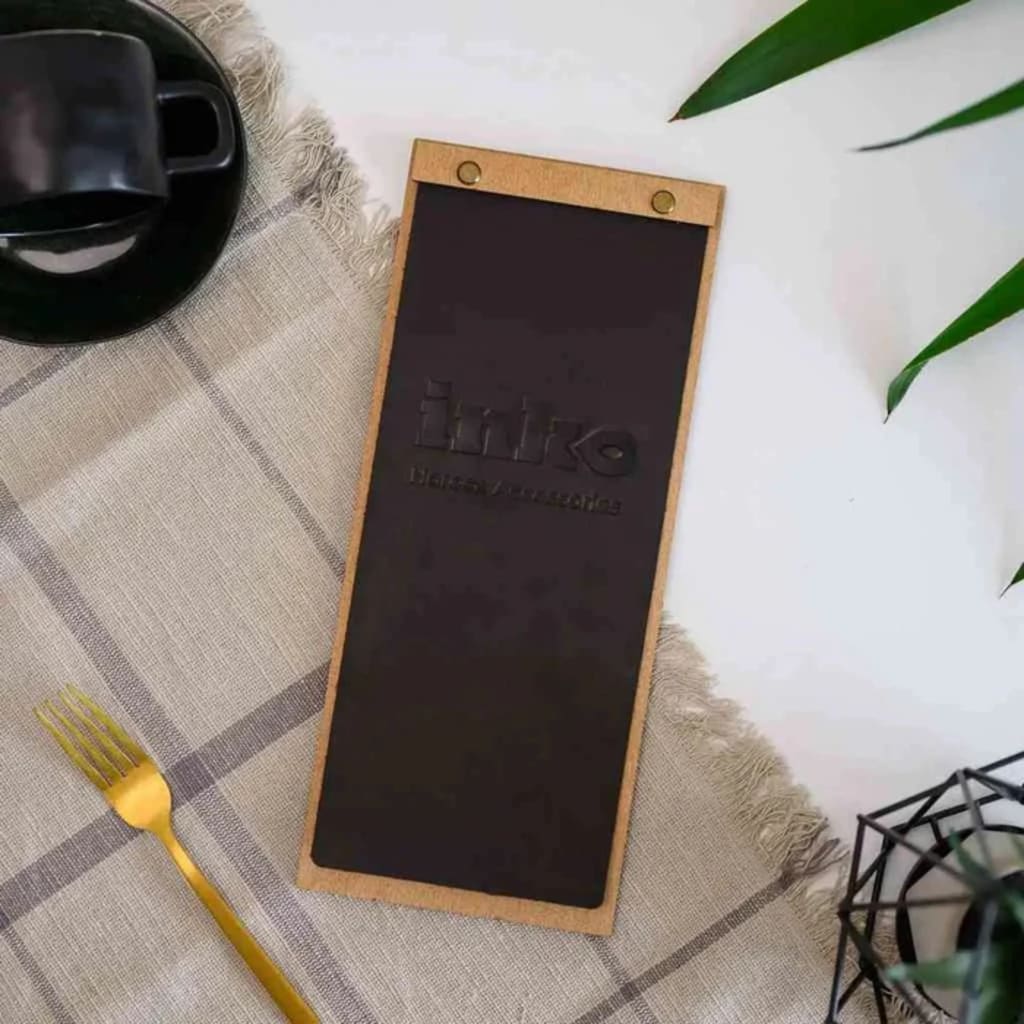
In today’s fast-paced and visually driven hospitality landscape, countertop menu boards have become essential tools for effective communication and guest engagement. Whether you’re a restaurant or bar owner, a HoReCa interior designer, or a hotel F&B manager, these boards go far beyond displaying menu items - they shape brand identity and streamline the customer experience.
What Are Countertop Menu Boards?
Countertop menu boards are compact, freestanding display holders used on tables, counters, or bars. These custom menu boards come in various formats - from wooden stands to acrylic frames - and are tailored to enhance both function and aesthetics.
Unlike wall-mounted restaurant menu boards or large hanging signage, countertop options are designed for close-up guest interaction. Their smaller scale makes them perfect for restaurant table menus, point-of-sale messaging, or branded tabletop content.
Why Countertop Menu Boards Are Gaining Popularity
Countertop boards are booming across the hospitality industry for several key reasons:
- Direct guest communication - placed within arm’s reach, these boards allow for instant visibility without interrupting table flow.
- Compact and space-saving - ideal for tight tabletops or bar counters where wall space is limited.
- Easy updates - menus, promotions, or announcements can be swapped quickly without needing full reprints or staff training.
For event planners, popup cafes, and boutique hotels, these modern menu boards provide flexibility and a polished presentation.
10 Best Ways to Use Countertop Menu Boards
If you're looking for inspiration, here are the top 10 ways to creatively use countertop menu displays in your venue:
1. Highlight Daily Specials
Use a simple wooden menu holder to feature daily chef recommendations or limited-time offers - perfect for keeping your offerings fresh.
2. Promote Desserts or Signature Drinks
Place small boards next to the register or dessert display to upsell your most profitable items.
3. Display Allergen or Dietary Information
Ensure guests with allergies or dietary restrictions have easy access to key information with labeled tabletop boards.
4. Show QR Codes for Digital Menus
Combine tech and touch - many modern menu boards now include slots for QR codes leading to full menus, booking pages, or feedback forms.
5. Seasonal and Event Messaging
Update content based on seasonal promotions, holiday menus, or themed events for enhanced relevance and guest connection.
6. Encourage Add-Ons or Upgrades
Suggest pairings like wine with entrees, add cheese to a burger, or upgrade to a combo. Visual cues on the table drive action without pressure.
7. Rotate Lunch and Dinner Menus
Swap out inserts for daypart-specific offerings - useful for cafes or restaurants with evolving service throughout the day.
8. Welcome Messages and Branding
Use branded tabletop menus to greet guests with a personal touch, highlight sustainability messages, or reinforce your story.
9. Mini Menus for Lounge or Waiting Areas
Keep guests engaged with light reading - cocktail lists, bar snacks, or trivia cards - while they wait.
10. Prompt Social Media Shares or Reviews
Display hashtags, social handles, or review prompts like “Loved your meal? Tag us!” to extend guest interaction beyond the table.
How Inko Menu Boards Support Every Use Case
Leading manufacturers like Inko offer countertop https://inkohoreca.com/collections/menu-boards menu boards that balance style and practicality for all hospitality needs:
- Versatile formats - choose from A-frame styles, double-sided displays, or modular clip-in formats.
- Material and finish options - from rustic wood to matte black metal or clear acrylic, match your concept perfectly.
- Custom touches - embossed logos, interchangeable inserts, and engraved branding add a signature look.
- Proven results - real client examples show boosted upsells, streamlined service, and elevated brand perception.
Whether you're creating a luxury restaurant experience or designing for a fast-casual pop-up, countertop menu boards are no longer optional - they are strategic design assets that enhance both aesthetics and functionality.
About the Creator
Keep reading
More stories from Susan Scava and writers in Journal and other communities.
YouTube Growth Guide: Boost Views & Subscribers
YouTube is a vast ocean of creativity, where hundreds of new videos emerge every minute. Standing out demands more than talent alone - you need a thoughtful strategy, hands-on tactics, and inspiring examples of what works to grow YouTube channel. Below, you’ll find six core steps for leveling up your channel, each illustrated with a mini case study to spark your own creativity.
By Susan Scava7 months ago in Journal
The goals I did not achieve
Every writing goal I made for the year is a wash. It has been this way for a while, but I think it's important to be open about my failures and the reality of how life can get in the way. This is especially true considering the several times I have posted on Vocal about my writing goals, how I was changing my approach, and where I was hoping to be for the upcoming year. I will probably do that again in a couple months, but for now, it is time to acknowledge where I am today.
By Kay Husnick22 days ago in Journal




Comments
There are no comments for this story
Be the first to respond and start the conversation.