
TikTok Superstar Khaby Lame’s Big Deal — Which Saw Him Valued at $6.6 Billion — Raises Red Flags, Experts Say
The creator economy’s biggest headline sparks debate as analysts question sky-high valuations, stock volatility, and long-term sustainability

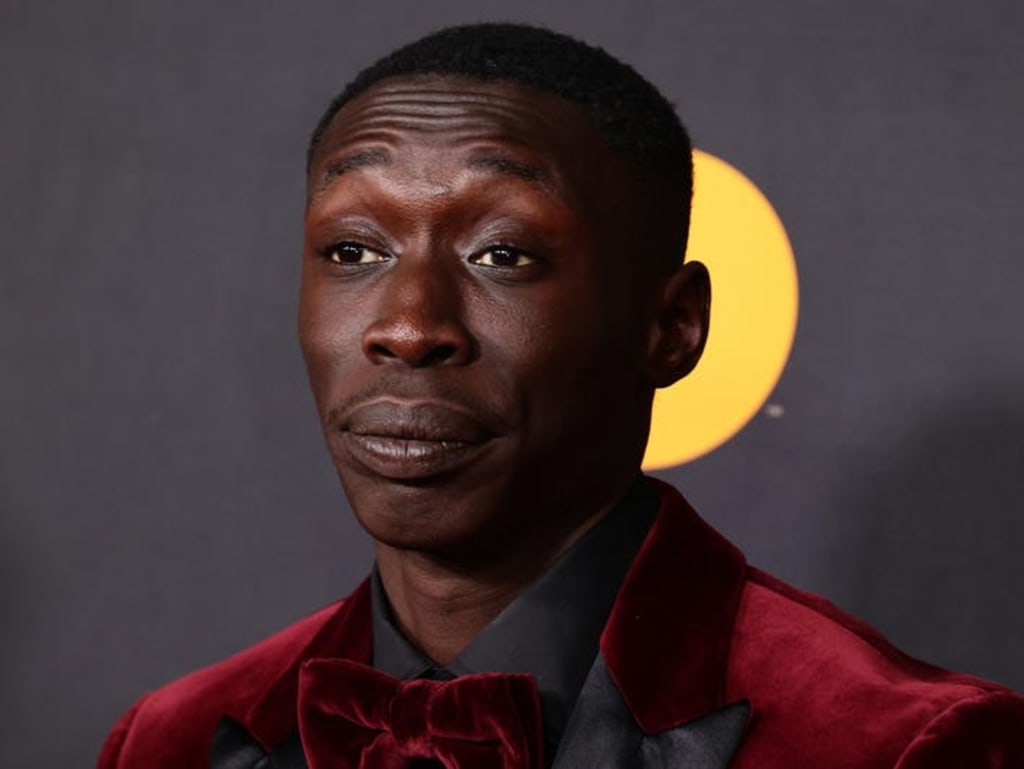
Khaby Lame, the world’s most-followed TikTok creator, has built a global brand without saying a word. His silent, deadpan reactions to overcomplicated “life hack” videos turned him into a cultural icon with more than 160 million followers. But his latest move — a high-profile business deal that briefly valued him at $6.6 billion — has shifted the conversation from viral fame to financial scrutiny.
While fans celebrated the staggering number, market experts and analysts quickly raised concerns, warning that the valuation may say more about speculative hype than genuine business fundamentals.
The Deal That Shocked the Market
The controversy began when Rich Sparkle Holdings, a Hong Kong-based company listed on Nasdaq, announced it had acquired Step Distinctive Limited, the company that manages Khaby Lame’s brand and commercial operations. The deal was structured as an all-stock transaction, instantly making Lame a major shareholder.
Following the announcement, Rich Sparkle’s stock price surged dramatically, rising hundreds of percent in a matter of days. At its peak, the market value of Lame’s stake was estimated at $6.6 billion on paper, propelling him into headlines as one of the most valuable creators in the world.
However, the rally didn’t last.
A Rapid Rise — and a Sharp Fall
Soon after the stock hit its peak, shares began to tumble. Within days, Rich Sparkle’s stock lost a significant portion of its value, wiping out much of the paper gains that had fueled the initial excitement.
This sudden rise and fall triggered alarm bells among analysts, many of whom noted that such volatility is uncommon for companies with limited revenues and unclear growth strategies. The sharp reversal prompted questions about whether investors were reacting to solid business prospects — or simply chasing a viral narrative tied to a famous name.
Why Experts Are Raising Red Flags
Several factors have contributed to growing skepticism around the deal:
1. Weak Financial Fundamentals
Before the acquisition, Rich Sparkle was a relatively small company with modest revenues and a business focus far removed from influencer branding. Critics argue that the company’s existing financials do not justify the massive valuation implied by the stock surge.
2. Extreme Stock Volatility
The dramatic price swings resembled speculative trading patterns rather than organic investor confidence. Some experts likened the movement to hype-driven rallies seen in meme stocks, where excitement fades quickly once reality sets in.
3. Sudden Business Pivot
Analysts also questioned the company’s abrupt shift from its original operations to building a creator-centric commercialization platform, suggesting the strategy lacked transparency and long-term clarity.
The “AI Digital Twin” Controversy
One of the most talked-about aspects of the deal is the plan to develop an AI “digital twin” of Khaby Lame — an artificial intelligence version of the creator designed to generate content, engage fans, and monetize his likeness around the clock.
While the concept sounds futuristic, experts are divided. Supporters argue it could revolutionize influencer monetization. Critics counter that Lame’s appeal lies in his authenticity and human expressions — traits that may not translate well into AI-generated content.
There are also ethical and legal questions surrounding ownership, consent, and the long-term control of a digital persona powered by artificial intelligence.
What This Means for the Creator Economy
Khaby Lame’s deal highlights a broader shift in the creator economy, where social media influence increasingly intersects with public markets and corporate finance. Creators are no longer just entertainers — they are brands, shareholders, and business assets.
However, the controversy also underscores the risks of attaching massive valuations to digital fame without proven revenue streams. Experts warn that while influence is powerful, it does not automatically translate into sustainable profits, especially when market sentiment changes quickly.
Khaby Lame’s Position Going Forward
Despite the backlash, Khaby Lame himself has not been accused of wrongdoing. His role in the deal positions him as a brand owner rather than a traditional investor, and his long-term wealth will ultimately depend on how the company performs over time.
For now, the headline-grabbing $6.6 billion figure remains a paper valuation, not liquid wealth. The real test will be whether the business can deliver consistent growth, transparency, and returns that justify investor confidence.
Conclusion
Khaby Lame’s meteoric rise from factory worker to global influencer is undeniable. But his recent business deal serves as a cautionary tale about the dangers of hype-driven valuations in the digital age.
As the lines between fame, finance, and technology continue to blur, investors and creators alike are being reminded of an old rule: viral popularity can ignite interest — but only fundamentals can sustain value.
FAQs
Why was Khaby Lame valued at $6.6 billion?
The valuation was based on a temporary surge in the acquiring company’s stock price, which inflated the paper value of his shareholding.
Does Khaby Lame actually have $6.6 billion?
No. The figure reflects a short-lived market valuation, not cash or guaranteed wealth.
Why are experts concerned about the deal?
Concerns include weak financial fundamentals, extreme stock volatility, and unclear long-term business strategy.
What is an AI digital twin?
It’s an artificial intelligence version of a person designed to replicate their image and behavior for content and monetization purposes.
What does this mean for influencers?
The deal shows both the opportunities and risks as creators move into high-stakes corporate and financial territory.
About the Creator
Asad Ali
I'm Asad Ali, a passionate blogger with 3 years of experience creating engaging and informative content across various niches. I specialize in crafting SEO-friendly articles that drive traffic and deliver value to readers.
“We Hope It’s Not the End”: Firm Behind Prince George’s Baby Shoes Warns It May Close
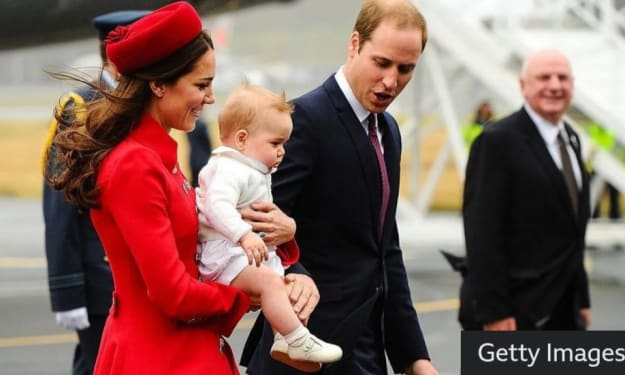
A small British footwear company that crafted the baby shoes worn by Prince George has warned that it may face closure, highlighting the challenges facing family-owned businesses amid economic uncertainty. The company, celebrated for its craftsmanship and royal connection, says it is struggling to keep up with rising costs, supply chain disruptions, and shifting consumer demand.
By Aarif Lashari2 days ago in Journal


Comments
There are no comments for this story
Be the first to respond and start the conversation.