
Think Snoring is Harmless? It’s Not Always
Manvir Bhatia
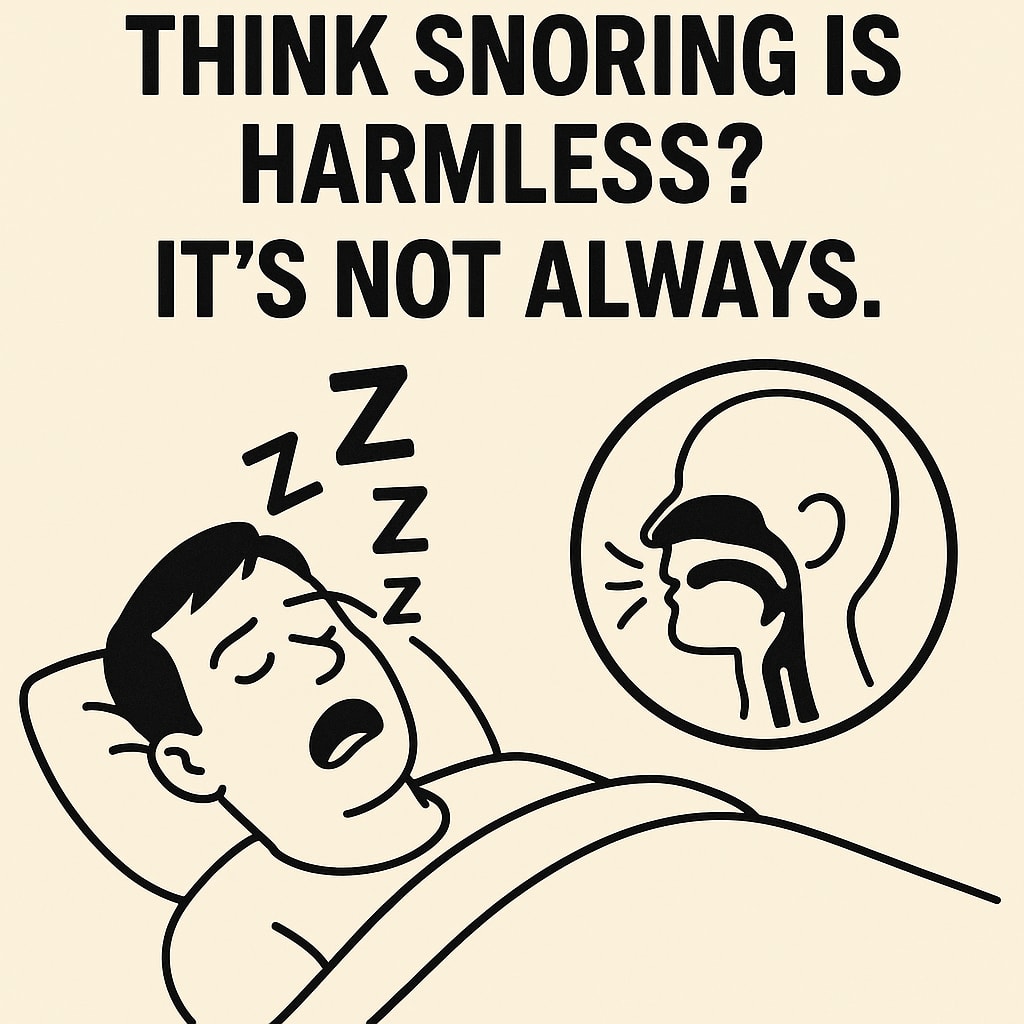
A lot of people snore. Some do it once in a while. Others snore every single night. Most of the time, we laugh about it. People joke that someone snores like a train. But here’s the truth—snoring isn’t always harmless.
It can be a sign of something more serious. Something that affects your health, your energy, even your heart. One of the main concerns behind chronic snoring is a condition called Obstructive Sleep Apnea (OSA). It means your breathing gets blocked while you sleep. And when that happens, your brain has to wake you up so you can breathe again. This can happen many times every hour.
You might not remember waking up. But your body does. You’ll feel tired, groggy, and irritated the next day. You may even wake up with a headache or dry mouth. Over time, untreated sleep apnea can lead to high blood pressure, heart disease, diabetes, and even stroke.
Dr. Manvir Bhatia, one of India’s leading sleep specialists in Delhi, says many people ignore snoring until it becomes a bigger issue. As the founder of Sleep Apnea India and senior consultant neurologist and sleep specialist, she’s helped thousands of people figure out the real reason behind their poor sleep.
She believes awareness is the first step. “Most people don’t know that snoring could be linked to a sleep disorder,” she says. “They come to us only after years of disturbed sleep or daytime sleepiness.”
What Causes Snoring?
Snoring happens when air doesn’t flow freely through your nose and throat. This can happen because of:
Blocked nasal airways
Weak throat muscles
Being overweight
Sleeping on your back
Alcohol before bedtime
For some, these things are minor. But for many, snoring is just the tip of the iceberg. If you also feel tired during the day, forget things, or fall asleep in front of the TV—your snoring may be part of a larger problem.
When Should You Worry?
You should take your snoring seriously if:
It happens most nights
You gasp or choke in your sleep
You wake up feeling tired
Your partner notices pauses in your breathing
You get morning headaches or mood swings
If any of these sound familiar, it’s time to talk to a doctor. Especially one trained in sleep medicine.
What You Can Do
At Dr. Manvir Bhatia’s Sleep Disorders Centre in Delhi, you can get a full sleep evaluation. They offer home-based sleep tests if you’re not comfortable coming to a clinic. This helps diagnose conditions like sleep apnea, insomnia, and Upper Airway Resistance Syndrome (UARS).
Once diagnosed, treatment is tailored to your needs. If you have OSA, the most common treatment is CPAP therapy. This involves wearing a mask while sleeping. It keeps your airway open by gently pushing air through your nose or mouth.
Dr. Bhatia recommends ResMed AirSense 10 AutoSet, AirFit F20 Full Face Mask, or ClimateLineAir heated tubing for better comfort. These products are proven to work and are available through her centre.
Some people may also benefit from oral appliances, lifestyle changes, or surgery, depending on their condition.
It’s Not Just About Sleep
Snoring doesn’t just ruin sleep. It affects how your brain works, how your heart functions, and how you live your life. You miss out on deep sleep, and over time, your body pays the price.
So if you or someone in your family snores often, don’t ignore it. Book a consultation with a sleep disorder specialist in Delhi. Dr. Manvir Bhatia and her team are experienced in dealing with complex cases. They use advanced tools, clear advice, and proven solutions.
Final Thoughts
Snoring may sound funny, but it’s not always harmless. It could be a signal that your body is struggling at night. The good news? It can be treated. You don’t have to live tired. You don’t have to snore forever. You just need the right help.
About the Creator
Keep reading
More stories from Dr manvir bhatia and writers in Journal and other communities.
How Early Diagnosis of Dystonia Can Improve Treatment Outcomes
Dystonia is a movement disorder. It causes muscles to contract without control. That leads to twisting, tremors, or abnormal postures. Some people also feel pain or stiffness. It can affect one part of the body or many.
By Dr manvir bhatia9 months ago in Journal


Comments
There are no comments for this story
Be the first to respond and start the conversation.