
The World's Most Dangerous Roads and Tourist Hotspots
When Danger Lurks, Where Will You Follow?

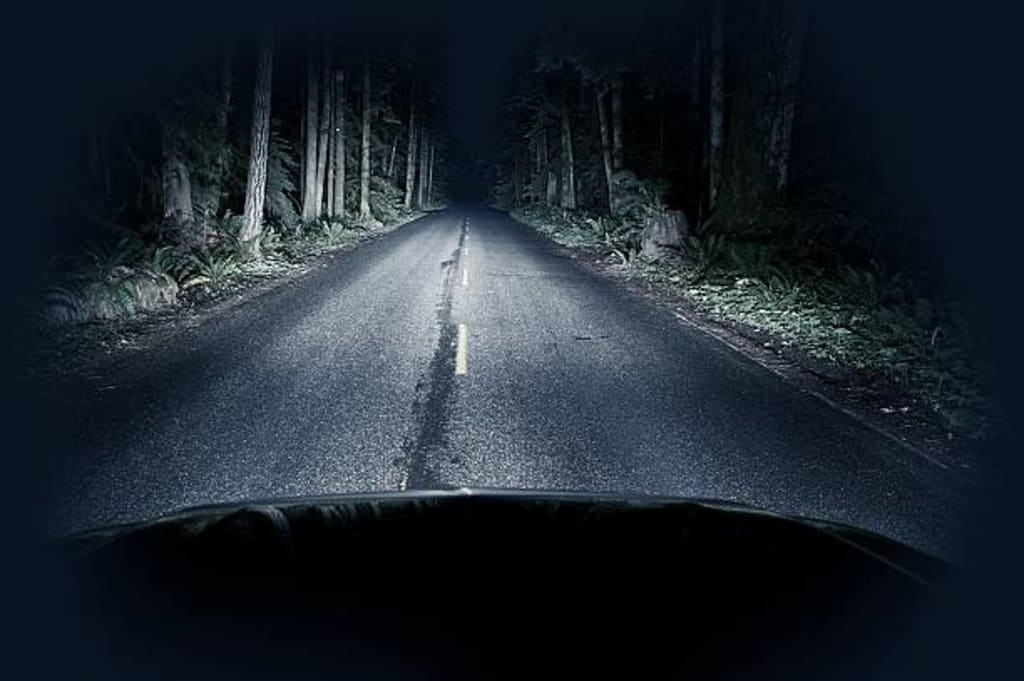
When planning your next adventure, you're likely thinking about accommodation, booking flights, and, most importantly, your safety on the road. Interestingly, some thrill-seeking tourists actively pursue dangerous destinations, and one of the most notorious is located in the jungles of Western Bolivia: the infamous Death Road, or Yungas Road.
Yungas Road: The Perilous Pathway
Stretching approximately 43 miles, the Yungas Road connects La Paz, Bolivia’s capital, to towns in the Amazon basin. While local buses manage this route in 3 to 4 hours, the length alone doesn’t explain the slow pace. For perspective, driving the same distance from San Francisco to San Jose takes under an hour. So, what makes the Yungas Road uniquely treacherous?
A Journey Through Extreme Elevations
Starting at an elevation of 5,000 feet, the journey culminates at a staggering 12,000 feet above sea level, as La Paz is the highest capital city in the world. The highest point along the Yungas Road, Lumbo Peak, towers at over 15,000 feet, comparable to skydiving altitudes. The road, crafted in the 1930s, meanders through steep cliffs and vertiginous landscapes, carved out of nearly vertical mountainsides.
Despite being nearly a century old, much of the Yungas Road remains unpaved and consists of dirt and gravel. With a precarious 2,000-foot drop on one side and little to no guardrails, the anxiety of driving here is palpable. The road is often just 10 feet wide, hardly enough space for larger vehicles; it offers no safety nets against the abyss below.
Weather and Road Conditions: A Driver’s Nightmare
The conditions on Yungas Road fluctuate with the seasons. In summer, dust clouds impair visibility while sudden fog can make navigation exceptionally perilous. In the winter months, heavy rains turn the road into a muddy slip-n-slide, with landslides and falling boulders posing constant threats. Before 2006, this treacherous mountain highway was the only access route for residents, resulting in an average of 26 vehicles plunging over the edge each year, claiming 200 to 300 lives annually.
In a bid to enhance safety, Bolivian authorities undertook two decades to construct an alternative road. This new route, featuring two paved lanes and guardrails, has significantly reduced traffic on Yungas Road. However, thrill-seeking tourists from around the globe still flock here for adventure, primarily on bicycles. Since 1998, over 25 cyclists have tragically lost their lives on this road, underscoring its enduring danger. Memorials line the path, serving as somber reminders of the risks involved in this adrenaline-fueled adventure.
Other Dangerous Destinations to Consider:
Victoria Falls, Africa
But the Yungas Road isn’t alone in its notoriety. In Africa, a natural pool at the edge of Victoria Falls attracts daring tourists during the dry season, when water levels drop. However, a mere misstep could mean a plunge of over 300 feet. Surrounded by the roaring Zambezi River, many visitors underestimate the peril of being so close to such a powerful natural force.
Death Valley, California
In California, Death Valley presents its challenges as the hottest place on Earth, with temperatures soaring to 130°F. Attracting over 1 million visitors in 2022, this extreme environment poses serious risks. Travelers can quickly succumb to dehydration and heatstroke, with rattlesnakes adding to the dangers in the Mojave Desert.
Cliffs of Moher, Ireland
Europe also boasts its fair share of risky attractions. The Cliffs of Moher in Ireland draw millions seeking stunning views. However, the 700-foot drop along the cliff's edge poses a deadly risk, and several have lost their lives attempting to capture the perfect photo.
New Smyrna Beach, Florida
In Florida, New Smyrna Beach is a favorite surfing spot, but it's also known as the shark attack capital of the U.S. With 32 reported shark attacks since 2010, this area certainly lives up to its dangerous reputation. For many, the thrilling surf may not be worth the risk.
Hawaiian Volcanoes
Finally, evidence of nature’s dangers can also be found in the Hawaiian Islands. While visitors flock to see active volcanoes, they must beware of volcanic smog, or vog, which comprises ash and sulfur dioxide. As lava flows into the ocean, it creates lava haze, which can severely affect respiratory health. Over the last 20 years, the toxic gases have led to the deaths of five tourists.
Conclusion: Adventure Awaits
These extraordinary yet dangerous locations serve as a reminder that adventure often comes with risks. Whether you're navigating Bolivia's treacherous roads, peering over the Cliffs of Moher, or taking a dip near Victoria Falls, it’s essential to exercise caution and prioritize safety while exploring these captivating locations.
If you found this exploration of the world’s most dangerous roads and hotspots insightful, share it with friends and pass on the thrill of travel enlightenment! Keep shining and exploring responsibly!
About the Creator
DANIEL AKAM OKO
What is life without conversation? It’s the exchange of ideas that ignites creativity and fosters deep connections. As an Artist, I believe that true passion lights our world, allowing us to express affection in ways that transcend words.
Keep reading
More stories from DANIEL AKAM OKO and writers in Journal and other communities.
The Strange Day When All Clocks Stopped in Paris
Introduction In a surreal twist of fate, a catastrophic flood transformed Paris into a modern Venice, leading to an extraordinary day when every clock in the city stopped at precisely 10:53 PM. This article explores the events surrounding the deluge, the history of timekeeping in Paris, and the remarkable pneumatic clock system that once governed the city's rhythm of life.
By DANIEL AKAM OKOabout a year ago in History
Author’s Advice
If you would’ve asked me 20 years ago did I know I’d become a writer and an author, I would’ve said “nope, ain’t happening”. As fate would have it I did become an author and I can honestly say I’m loving it so far. It really does feel good to be a writer. I’ve learned a lot on this journey and I feel like with even me being as new to this world as I am, there’s some wisdom I need to share with every other aspiring author.
By Joe Patterson5 days ago in Journal




Comments
There are no comments for this story
Be the first to respond and start the conversation.