
🚫 The Walled Garden's New Gate: Why Apple Is Hesitating to 'Destroy' Cross-Platform AirDrop
Analyzing the strategic tension: Apple’s desire to restrict seamless file sharing between iOS and Android, and the fear of regulatory backlash from the EU's Digital Markets Act.

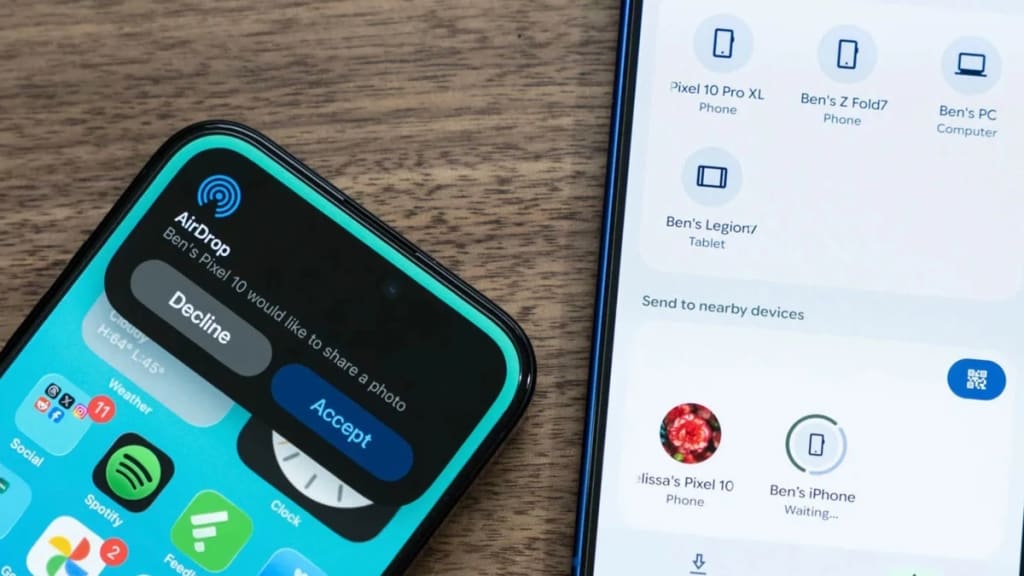
The technology industry has always been a battleground between open standards and proprietary ecosystems. For years, the ability for users to share files seamlessly between devices has been a point of friction, and Apple’s AirDrop has been the gold standard for efficiency within its walled garden. However, the recent emergence of cross-platform sharing solutions—specifically initiatives that allow Android users to utilize protocols similar to AirDrop to share files with iPhones—presents a fascinating dilemma for Apple.
Reports suggest that Apple is highly interested in finding ways to either technically neutralize or restrict the efficiency of these cross-platform AirDrop interactions. Yet, any attempt to do so is fraught with immense risk, primarily due to the regulatory shadow cast by the European Union’s powerful Digital Markets Act (DMA). This tension highlights the current strategic challenge facing all Big Tech giants: balancing proprietary excellence with mandatory interoperability.
The Technical Threat: Why Seamless Sharing Scares Apple
AirDrop’s core functionality relies on a combination of Bluetooth for device discovery and Wi-Fi Direct for high-speed file transfer. Its magic lies in its seamless, proprietary implementation within iOS and macOS.
The threat comes from collaborative efforts by Android manufacturers and developers to create protocols that mimic AirDrop’s efficiency or utilize shared communication channels. Should these third-party solutions become as fast and reliable as native AirDrop, two things happen that fundamentally challenge Apple's ecosystem model:
Ecosystem Lock-in Weakens: AirDrop is a key feature that locks users into the Apple ecosystem. Many users tolerate switching costs because they value the convenience of sharing photos and videos instantly with friends and family who also own iPhones. If Android devices can achieve parity in this core function, a significant reason to remain exclusive to iOS disappears.
Perceived Superiority Fades: The "it just works" factor of AirDrop contributes to the perception of overall superior engineering in Apple products. Disrupting this perceived advantage through open-source alternatives is a direct challenge to the brand’s image.
Apple, therefore, faces pressure to release software updates that could subtly alter the handshaking protocols or introduce technical "friction" to non-Apple devices attempting to use their channels.
The Regulatory Barrier: The Digital Markets Act (DMA)
Any technical maneuver by Apple to restrict interoperability now runs directly into the most significant piece of technology legislation in decades: the EU's Digital Markets Act (DMA). The DMA is designed specifically to prevent "gatekeepers" (like Apple) from abusing their dominant market position to favor their own services or limit fair competition.
A core principle of the DMA is interoperability. If Apple were to intentionally sabotage or degrade the user experience of cross-platform file sharing, they would face immediate scrutiny under DMA rules, potentially leading to massive fines—up to 10% of global annual turnover—and mandatory behavioral changes.
The 'Self-Preferencing' Clause: Restricting external file sharing could easily be interpreted as self-preferencing the iPhone by degrading the performance of competitors (Android devices) when interacting with iOS users.
Opening Up Core Services: The DMA requires gatekeepers to allow third parties to interoperate with their own services. While file transfer is complex, the underlying communication protocols could be deemed an area where Apple must ensure fair, non-discriminatory access.
Apple is already under intense pressure regarding other DMA compliance points (like opening up the App Store and NFC access). Committing an act of digital sabotage against cross-platform AirDrop would be an extremely high-risk move that regulators would likely seize upon as clear anti-competitive behavior.
The Consumer Reaction: A High-Stakes PR Game
Beyond the legal threat, Apple must contend with the significant risk of a consumer backlash. Users, regardless of their device preference, hate being told they cannot share data efficiently.
Any update that makes sharing files harder would be met with swift and loud criticism. In an era where user experience is king, introducing deliberate frustration—even if aimed at Android competitors—would reflect negatively on the iPhone itself. It could erode the very trust and loyalty that AirDrop was designed to foster.
Conclusion: The Interoperability Imperative
Apple is caught between its historical commitment to maintaining a closed, premium ecosystem and the global regulatory imperative for open interoperability. The seamless functionality of cross-platform AirDrop alternatives poses a clear, long-term threat to Apple's market strategy.
However, the cost of fighting that threat—through direct technical sabotage—is now astronomically high, thanks to the vigilance of the DMA and the predictable rage of the global consumer base. For now, Apple appears to be in a holding pattern, recognizing that this particular gate in the walled garden must likely remain open, signaling a necessary, if reluctant, concession to the future of digital freedom.
About the Creator
The goals I did not achieve
Every writing goal I made for the year is a wash. It has been this way for a while, but I think it's important to be open about my failures and the reality of how life can get in the way. This is especially true considering the several times I have posted on Vocal about my writing goals, how I was changing my approach, and where I was hoping to be for the upcoming year. I will probably do that again in a couple months, but for now, it is time to acknowledge where I am today.
By Kay Husnick23 days ago in Journal
AcehGround: A Leading Voice for News in Aceh and Beyond
In Indonesia's northernmost province of Aceh, staying connected to local events, governance developments, cultural stories, and national issues remains essential for residents, businesses, and visitors. AcehGround has established itself as a prominent online news portal dedicated to providing up-to-date coverage across these areas. Operating primarily through its website, acehground.com, the platform focuses on delivering Berita Aceh—news from the region—while also incorporating national and international stories relevant to local audiences.
By Eliana Daisy3 days ago in Journal
Wild Card Weekend Recap: What Happens Now?
I think I figured out why I love Wild Card Weekend so much. It's because it's the first playoff anything of the calendar year. The NFL season starts in the fall, and once upon a time, the champion was crowned either on or slightly before New Year's. The evolution of the NFL schedule has resulted in the playoffs starting just into the New Year, and currently, the final week of the season falls on the first weekend of the New Year, with Wild Card Weekend coming a week after that. So yes, chronologically, the NFL's Wild Card Weekend serves as the first playoff anything of the calendar year.
By Clyde E. Dawkins5 days ago in Unbalanced




Comments (1)
tks!