
The Untold Story of Nike's 'Just Do It' and the Kenyan Tribesman: A Hilarious Translation Mishap
How Nike's Iconic Slogan Traveled from a Kenyan Village to Global Fame

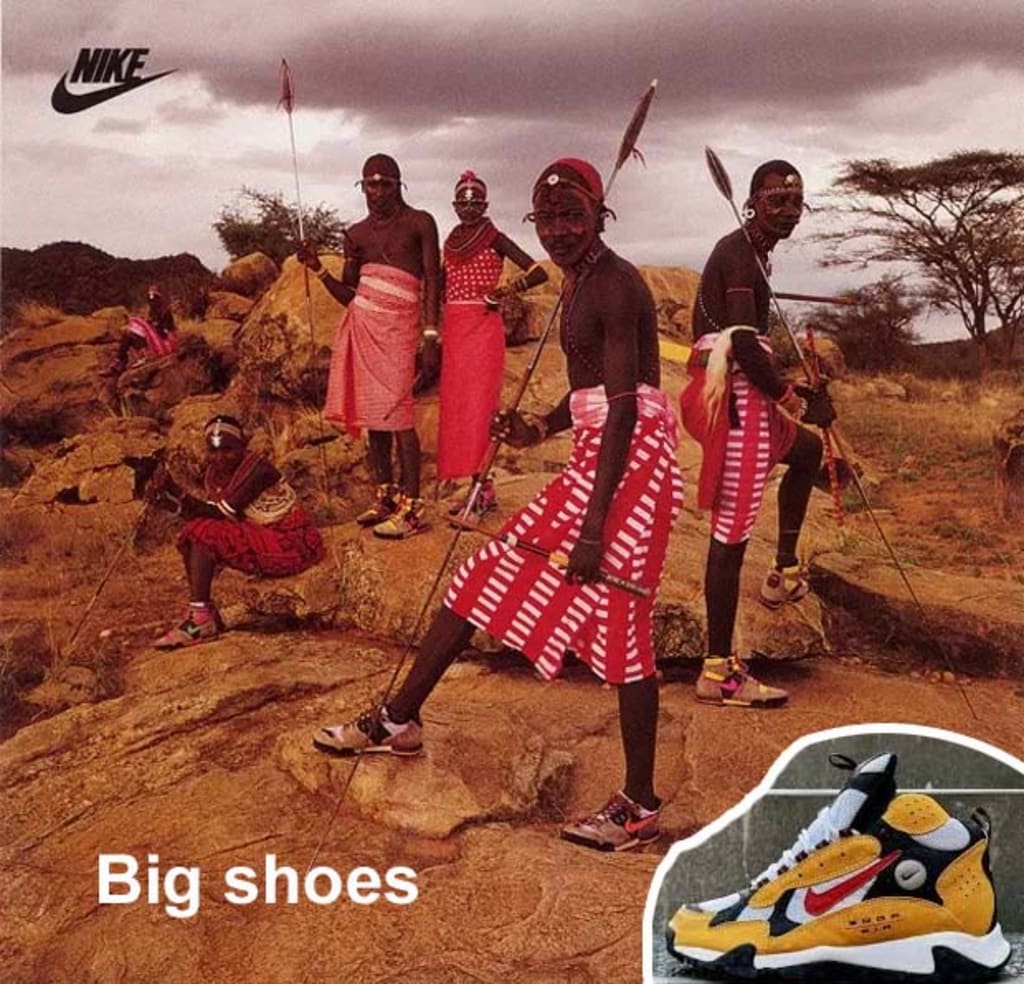
Discover the fascinating backstory of Nike's "Just Do It" campaign and how a Kenyan tribesman's words, hilariously mistranslated, sparked a cultural connection. Uncover the importance of context in global branding and the humor behind an unexpected marketing success story.
In the vibrant tapestry of the 1980s, Nike emerged as a cultural titan, shaping the way the world saw sports and self-expression. It was an era marked by audacious advertising campaigns, bold slogans, and a relentless drive to redefine limits. But amidst Nike's meteoric ascent, an anecdote surfaced that became both humorous and cautionary—a tale tied to the translation of a Kenyan tribesman's words during a commercial shoot.
The story begins with Nike's ambition to showcase the universality of its brand. Determined to resonate across diverse audiences, the company ventured into the remote landscapes of Kenya to capture raw, authentic moments featuring Samburu tribesmen. The idea was simple: to portray the tribesmen embodying resilience, endurance, and a spirit of determination—the essence of the soon-to-be-iconic slogan, "Just Do It."
Filming went smoothly, or so it seemed. The tribesmen, clad in their traditional attire, interacted with the camera crew in a manner that balanced curiosity and cooperation. Among them, a particular man captured the essence of what Nike sought—his presence exuded calm confidence, and his gestures hinted at a story worth telling.
In the footage, this tribesman shared a few words in his native language, words that Nike’s team would later decide to translate for American audiences as "Just Do It." It was perfect. The phrase seemed seamless, an authentic echo of Nike’s ethos. The tribesman, unknowingly, had become a vessel for what would be a defining mantra of self-belief.
However, as the commercial aired and gathered momentum, the story took an unexpected turn. Enter Lee Cronk, an American anthropologist well-versed in the Samburu dialect. While watching the advertisement, Cronk noticed something peculiar. The tribesman’s actual words diverged dramatically from the intended translation. Far from a bold affirmation of action, his words had been a rather pragmatic response to the shoes handed to him during filming. In truth, he had said, “I don’t want these. Give me big shoes.”
It was a revelation that combined irony with hilarity. The disconnect underscored the potential pitfalls of cultural interpretation—a reminder that meaning often gets lost in translation. When Cronk approached Nike with his findings, the company’s response was as unapologetic as it was shrewd: “We thought nobody in America would know what he said.” It was a bold admission, reflective of the brand’s unrelenting focus on its audience and message.
The tribesman’s inadvertent contribution to advertising history became a talking point, blending humor with reflections on cultural sensitivity. It demonstrated the challenges of bridging worlds—where ambition meets authenticity, and interpretation encounters nuance. For Nike, the incident underscored the importance of understanding context in global storytelling.
Despite the anecdote, Nike’s “Just Do It” campaign soared to unparalleled heights, becoming one of the most recognizable slogans in the world. The words, regardless of their origin, resonated deeply with audiences, inspiring individuals to push boundaries and embrace challenges. The tribesman’s unintended connection to the slogan added layers to its story, making it a narrative both inspiring and amusing.
As the years passed, the tale of the Kenyan tribesman and his misinterpreted words became a footnote in Nike’s legacy—a reminder of the unpredictable intersections between commerce, culture, and communication. In a way, the incident encapsulated the era’s spirit: a blend of bold experimentation, occasional missteps, and relentless pursuit of impact.
The story, at its core, is one of contrast—between the towering ambitions of a multinational brand and the grounded practicality of a Samburu tribesman. It’s a slice of history that invites reflection on the complexities of connecting across cultures, reminding us that even the simplest words can carry unexpected weight. And perhaps, in the glow of the red Nike swoosh, there’s room to appreciate not just the drive to “Just Do It,” but also the candid charm of asking for “big shoes.”
About the Creator
Nav k Aidan
i am an author i am a ghost writer and also working on fictional books
i am in this field from past 15 year ,
i wrote more than 400 blog post for different blogsites,
Keep reading
More stories from Nav k Aidan and writers in Journal and other communities.
How Taylor Swift’s Broken Heel Saved a life, does kind people Exist in this world ?
Discover the inspiring story behind Taylor Swift's Eras Tour mishap in Rio de Janeiro. Learn how a broken Christian Louboutin heel turned viral fame into a charitable movement that helped save a life and brought hope to millions.
By Nav k Aidan10 months ago in Journal
Beyond the Balance Sheet: The Evolving Role of the Chief Financial Officer
The responsibilities of a Chief Financial Officer have changed considerably over time. While financial accuracy and compliance remain important, many organizations now rely on CFOs for much more than reporting. Today’s financial leaders are expected to contribute to planning, risk assessment, and long-term stability. This broader role reflects how businesses increasingly recognize finance as a tool for clarity rather than control.
By ORM_Specialist6 days ago in Journal



Comments (2)
Just wanted to drop in and say—you absolutely nailed it with this piece. 🎯 Your writing keeps getting better and better, and it's such a joy to read your work. 📚✨ Keep up the amazing work—you’ve got something truly special here. 💥 Super proud of your writing! 💖🙌 Can't wait to see what you create next! #KeepShining 🌟 #WriterOnTheRise 🚀
Fantastic read! Well-researched and clearly explained. I learned a lot from this—thank you for sharing!