
The Ultimate Guide to Choosing the Right Fire Extinguisher for Your Home
fire extinguisher
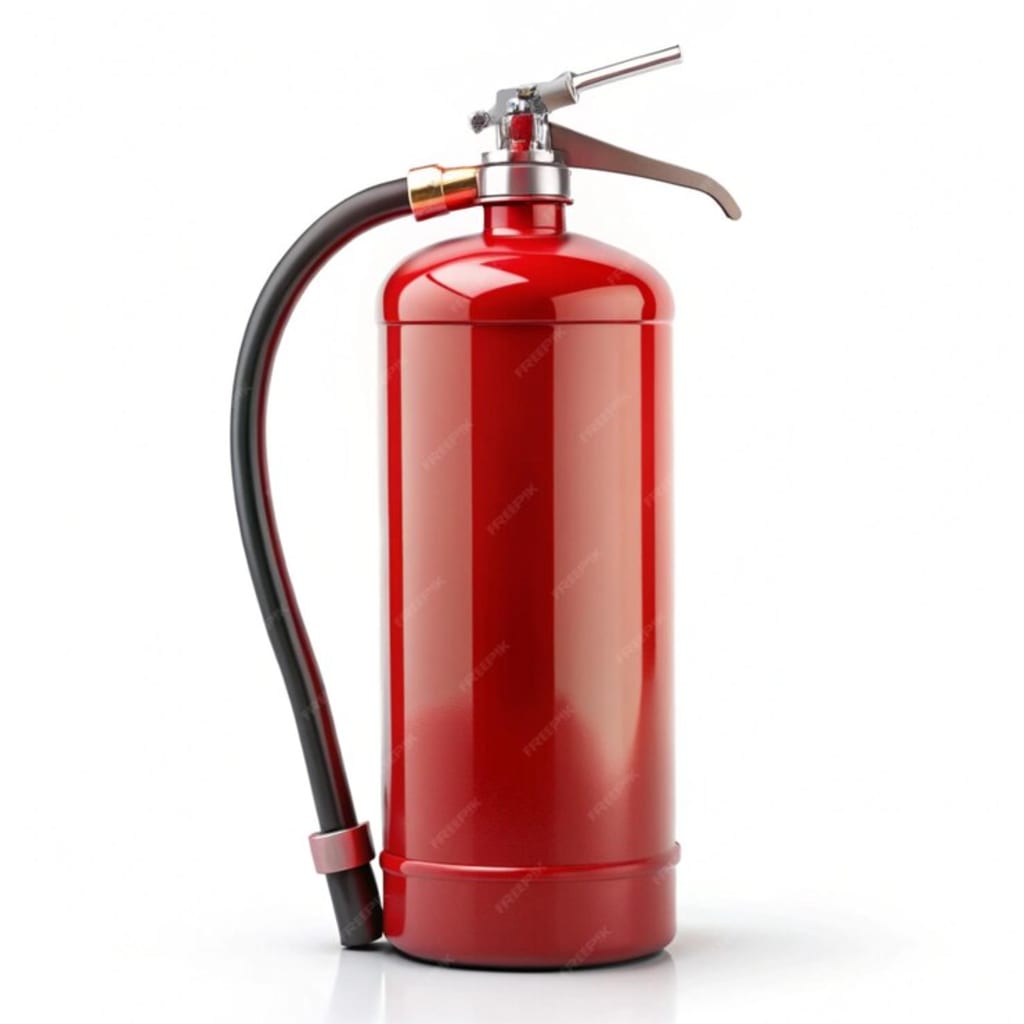
When it comes to home safety, fire extinguishers are an essential line of defense. Selecting the right type of fire extinguisher for your home can be crucial for effectively managing a fire emergency and ensuring the safety of your family. This guide will walk you through the different types of fire extinguishers, their uses, and how to choose the right one for your home.
Understanding Fire Extinguishers
Fire extinguisher are classified into several categories based on the types of fires they can effectively put out. Each class is designed to handle specific kinds of fires, and understanding these classifications is key to choosing the appropriate fire extinguisher for your home.
1. Class A Fire Extinguishers
Class A fire extinguishers are designed to combat fires involving ordinary combustibles such as wood, paper, cloth, and certain plastics. These are common materials found in most homes. The extinguishing agents used in Class A extinguishers are typically water or foam-based, which cools and extinguishes the fire by removing heat.
2. Class B Fire Extinguishers
Class B fire extinguishers are used for fires involving flammable liquids like gasoline, oil, grease, and certain solvents. These types of fires are common in kitchens and garages. The extinguishing agents in Class B extinguishers are usually foam, carbon dioxide (CO2), or dry chemical powders that work to suffocate the fire by cutting off its oxygen supply.
3. Class C Fire Extinguishers
Class C fire extinguishers are designed for fires involving electrical equipment, such as appliances, wiring, and circuits. These extinguishers use non-conductive agents like CO2 or dry chemical powders to prevent electrical shock and extinguish the fire. It is important not to use water-based extinguishers on electrical fires, as this can lead to electric shock.
4. Class D Fire Extinguishers
Class D fire extinguishers are used for fires involving combustible metals like magnesium, titanium, and sodium. These types of fires are less common in residential settings and are generally more relevant in industrial or laboratory environments. The extinguishing agents used are typically dry powder formulations that work to smother and cool the fire.
5. Class K Fire Extinguishers
Class K fire extinguishers are designed for fires involving cooking oils and fats, such as those found in commercial kitchens. They use a wet chemical agent that works to cool the fire and prevent re-ignition by forming a soapy layer on the surface of the burning oil.
Choosing the Right Fire Extinguisher for Your Home
Selecting the right fire extinguisher involves assessing the types of potential fires in your home and ensuring that the extinguisher you choose can handle those specific risks.
1. Assess the Risks in Your Home
Evaluate the areas of your home to determine the potential fire risks. For example:
Kitchen: This area is prone to grease fires. A Class K extinguisher would be ideal for this space, but a multi-purpose extinguisher (such as an ABC extinguisher) can also work well.
Garage: Flammable liquids and electrical equipment are common in garages. Consider a Class B or C extinguisher for this area.
Living Areas: Ordinary combustibles like wood and paper are common in living rooms and bedrooms. A Class A extinguisher would be suitable for these areas.
2. Select the Appropriate Class
Based on your risk assessment, select a fire extinguisher that is appropriate for the types of fires you may encounter. Many homes use multi-purpose extinguishers that cover Class A, B, and C fires (ABC extinguishers), offering versatility and comprehensive protection.
3. Check the Size and Type
Fire extinguishers come in various sizes, typically measured in pounds. Smaller extinguishers are easier to handle but may have limited capacity, while larger ones provide more fire-fighting agent but can be heavier. Consider the size that best fits your needs and capabilities.
4. Ensure Proper Maintenance
A fire extinguisher is only effective if it is properly maintained. Regularly check the pressure gauge to ensure it is in the operable range and inspect the extinguisher for any signs of damage or tampering. Most extinguishers need to be serviced or recharged every 5 to 6 years, but always follow the manufacturer’s recommendations for maintenance.
5. Install and Position Correctly
Install fire extinguishers in easily accessible locations. They should be mounted on walls or placed in visible, easily reachable areas. Make sure everyone in your household knows the location of the extinguisher and how to use it.
Using a Fire Extinguisher
- Familiarize yourself with the PASS technique for using a fire extinguisher:
- Pull the pin to break the tamper seal.
- Aim the nozzle at the base of the fire.
- Squeeze the handle to release the extinguishing agent.
- Sweep the nozzle from side to side, covering the area of the fire until it is out.
Conclusion
Choosing the right fire extinguisher for your home is a crucial step in ensuring your family's safety. By understanding the different classes of fire extinguishers and evaluating the specific risks in your home, you can select the most appropriate extinguisher. Regular maintenance and proper placement further enhance the effectiveness of your fire safety measures. Remember, while a fire extinguisher is a valuable tool, it is essential to also have an evacuation plan and smoke detectors installed in your home for comprehensive fire safety.
About the Creator
Keep reading
More stories from ABC Fire & Safety and writers in Journal and other communities.
Stay Safe in the Kitchen: The Importance of a Kitchen Fire Extinguisher
Introduction The kitchen is the heart of every home, where delicious meals are prepared and cherished memories are made. However, it is also one of the most common places for fires to occur. Having a reliable kitchen fire extinguisher is essential to tackle potential fire emergencies swiftly and efficiently. In this comprehensive guide, we will delve into the world of kitchen fire extinguisher, covering their types, proper usage, and vital safety measures to ensure a safe and enjoyable cooking experience.
By ABC Fire & Safety2 years ago in Journal
Building Strong Businesses Through Strategy and Adaptability
In the modern business landscape, adaptability has become one of the most valuable skills an entrepreneur or business leader can possess. Markets evolve quickly, consumer expectations shift constantly, and external pressures—economic, technological, or social—can reshape industries overnight. In this environment, businesses that survive are rarely the fastest-growing ones; they are the most thoughtful and resilient.
By ORM_Specialistabout 11 hours ago in Journal



Comments
There are no comments for this story
Be the first to respond and start the conversation.