
⚙️ The Titanium Shift: How 3D Printing Is Reinventing the Apple Watch
Inside Apple's quiet manufacturing revolution: Why the Watch Ultra 3 and Series 11 cases signal a major commitment to additive manufacturing.

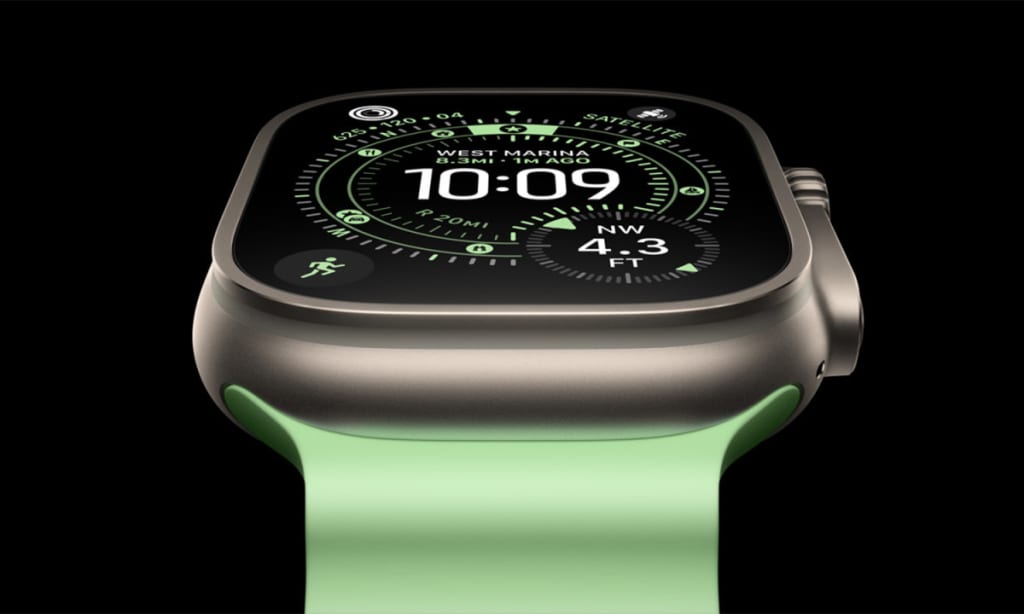
Apple rarely changes its core manufacturing processes without a significant strategic reason. For years, the production of the premium Apple Watch cases—especially the high-end Titanium models—has relied on subtractive manufacturing: taking a solid block of metal and milling away everything that isn't the final product. It is a precise but inherently wasteful and slow process.
The news that Apple is transitioning to 3D printing (additive manufacturing) for the entire titanium case of the upcoming Apple Watch Ultra 3 and Apple Watch Series 11 is not just a technological curiosity; it's a massive commitment that signals a deep-seated change in Apple’s operational philosophy. This isn't about novelty; it's about efficiency, sustainability, and ultimately, scale.
The Material Hurdle: From Powder to Titanium Shell
3D printing metals, especially titanium, is technically demanding. Apple is reportedly utilizing Binder Jetting—a method where a binding agent is used to fuse titanium powder layer by layer to form the component shape. This initial component, often called a "green part," is still porous and needs significant post-processing.
This is where the real Apple ingenuity comes in. After the green part is created, it must undergo a process called sintering. This involves high heat and pressure to fuse the powder particles into a solid, dense, metal component that meets Apple's extremely high standards for strength, finish, and durability—especially critical for the rugged Watch Ultra line.
The ability to successfully scale this complex, multi-step process for millions of units demonstrates that Apple has solved critical issues related to material consistency and structural integrity, making the final 3D-printed case functionally identical, if not superior, to its milled counterpart.
Efficiency and Sustainability: The Twin Benefits
The shift from subtractive to additive manufacturing directly addresses two of Apple’s current strategic priorities:
1. Material Efficiency (The Sustainability Play)
Milling a titanium watch case from a solid block typically generates significant waste in the form of metal shavings. With 3D printing, the process begins with titanium powder, and nearly all unused powder can be collected and recycled for the next print. This dramatically reduces material wastage—a key win for Apple’s stated goal of achieving carbon neutrality across its supply chain. By maximizing the use of costly and heavy materials like titanium, Apple can lower its environmental footprint while simultaneously reducing the cost of raw materials per unit.
2. Production Efficiency and Throughput (The Scaling Play)
While initial 3D printing setups can be slower than traditional CNC milling, the ability to print multiple components simultaneously in a single batch (a massive improvement in throughput) and the reduction in complex tooling and setup changes offer long-term efficiency gains. This is crucial for products like the Apple Watch, which ships tens of millions of units annually. Furthermore, 3D printing allows for rapid, on-the-fly design changes without needing to retool entire production lines, giving Apple unprecedented agility in design iteration.
Design Freedom: Engineering the Ultra 3
The true magic of 3D printing for design is the concept of "complexity for free." Additive manufacturing allows engineers to create internal structures that are impossible to achieve with traditional milling.
For the Watch Ultra 3, this could mean:
Lattice Structures: Creating internal titanium lattice structures that reduce weight while maintaining or even increasing structural rigidity—a crucial feature for a flagship rugged watch.
Integrated Components: The ability to print complex internal chambers or features, potentially integrating antenna paths or sensor mounts directly into the case structure, reducing the number of separate components needed for final assembly.
This design flexibility could allow the Ultra 3 to maintain its ruggedness while possibly becoming thinner or lighter, addressing one of the few critiques of the current Ultra model.
The Broader Industry Implications
Apple’s adoption of 3D printing for a high-volume product like the Apple Watch is a monumental endorsement of the technology. When Apple moves, the entire industry follows. This transition will likely accelerate investment and innovation across the entire additive manufacturing supply chain, driving down costs and improving quality for other companies looking to produce components from advanced metals.
This move also suggests a future where similar, complex metal parts—like the frames of iPhones or even parts of the Vision Pro chassis—could be produced using the same method, further consolidating Apple’s manufacturing dominance and reducing reliance on traditional contract manufacturers for critical, high-IP production steps.
Conclusion: A Glimpse into the Future of Apple Manufacturing
The 3D-printed titanium case for the Apple Watch Ultra 3 and Series 11 is far more than a marketing bullet point; it is a profound operational milestone. It’s Apple demonstrating that it can successfully integrate advanced, sustainable manufacturing techniques into its mass-production pipeline.
By embracing 3D printing, Apple is solving its own problems—material waste, production flexibility, and ultimately, cost—while setting a powerful precedent for sustainability in consumer electronics. This tiny titanium shell is a clear signal: the future of Apple manufacturing is additive, and the Watch is the starting line.


Comments (1)
tks!