
The Tale of the Lost Bitcoin Fortune: One Man's Desperate Search for Redemption
The Inspiring Journey of Thomas, the Developer Who Lost His $200 Million Bitcoin Fortune and the Lessons He Learned Along the Way

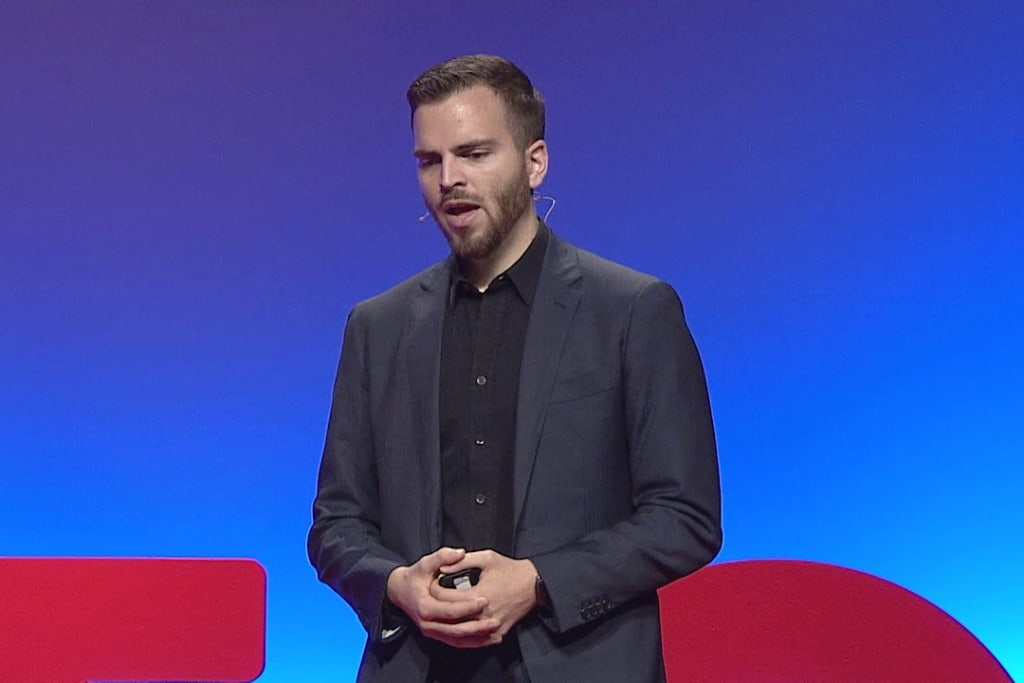
In the year 2011, the cryptic universe was in its embryonic phase, and a young man named Stefan Thomas commenced his expedition into the Bitcoin world. Being an accomplished programmer, Thomas had already worked on numerous open-source projects and co-founded a start-up that focused on creating decentralized web technologies. However, it was Bitcoin that captivated his imagination.
At that time, Bitcoin was still relatively alien to most people, with only a few technology-savvy enthusiasts who traded the currency on a few obscure online forums. But Thomas observed something in this nascent technology that he believed could transform the world. He was fascinated by the idea of a distributed, peer-to-peer currency that could be used for transactions without any need for banks or other intermediaries.
So, when a client solicited him with an exceptional demand, Thomas was more than enthusiastic to assist. The client was working on a Bitcoin-related project and required a video that explained how the currency operated. Being a talented animator and an excellent communicator, Thomas was the perfect fit for the job. He began working on the project, delving into the intricate details of Bitcoin's underlying technology and creating a succinct, comprehensible explanation that anyone could understand.
Thomas titled the video "What is Bitcoin?" which immediately went viral, garnering hundreds of thousands of views on YouTube and various other social media platforms. The video's success was a testament to Thomas's exceptional talent and his ability to explain complex ideas in a manner that was accessible and engaging.
However, Thomas had no idea of the importance of his work on the "What is Bitcoin?" video. In exchange for his services, his client compensated him with 7,002 Bitcoins, which were worth only a few dollars each at that time. Thomas was pleased to receive the payment, but he was oblivious to the fact that the currency would one day become so valuable.
For the subsequent two years, Thomas was engrossed in his work and other projects, completely forgetting about his Bitcoin holdings. It was not until 2013 that he decided to check his wallet and inspect the performance of his investment.
To his astonishment, he discovered that his Bitcoin holdings had skyrocketed in value, owing to a surge in demand and a commensurate rise in the currency's price. His 7,002 Bitcoins were now worth over $2 million, an enormous sum of money that he could hardly fathom.
Thomas realized that he had to take measures to safeguard his newfound wealth. Therefore, he created a backup of his wallet and saved it on an encrypted hard drive. He wrote down his password and made sure to keep it secure. However, he was so self-assured of his memory that he did not consider keeping a physical copy of the password anywhere else.
Thus, Thomas continued with his life, secure in the knowledge that his Bitcoin stash was out of harm's way. He focused on his various projects, confident that his investment would continue to prosper.
But destiny had other intentions.
In 2017, Thomas discovered that he could no longer recall his password. He attempted every conceivable combination, but all in vain. He did not know what had happened to the slip of paper on which he had written his password, nor did he have a backup of the password anywhere else.
Initially, Thomas was not worried, assuming that he would eventually remember his password or stumble upon the paper on which he had written it down. However, as time passed, he realized that his predicament was more dire than he had initially anticipated.
Thomas started to feel increasingly anxious as he failed to recall his password or find the piece of paper where he had written it down. He attempted various combinations of words and numbers, but none of them worked. He even tried contacting customer support, but they were unable to assist him without the correct password or account information.
As days turned into weeks, Thomas grew more and more frustrated with himself for not being more organized and for not having a backup plan in place. He began to worry about losing all of his important files and documents that he had saved on the computer.
Finally, Thomas decided to take a step back and think about the situation logically. He realized that he may have used a common word or phrase as his password and began brainstorming all the possibilities. After trying several more combinations, he suddenly remembered that he had used the name of his childhood pet as his password.
With a sense of relief, Thomas logged into his account and made a note to himself to always have a backup plan in place for important information.
About the Creator
Ken Coinsher
I am a passionate crypto enthusiast who believes in the potential of blockchain technology to revolutionize the way we interact and transact.
Keep reading
More stories from writers in Journal and other communities.



Comments
There are no comments for this story
Be the first to respond and start the conversation.