
🔄 The Supply Chain Shock: Samsung Steps In as Apple Drops China’s BOE From iPhone 17 Pro Display Supply
Analyzing the technical fault line: Why BOE failed to meet Apple's rigorous LTPO OLED standards and what this shift means for the future of the display market.

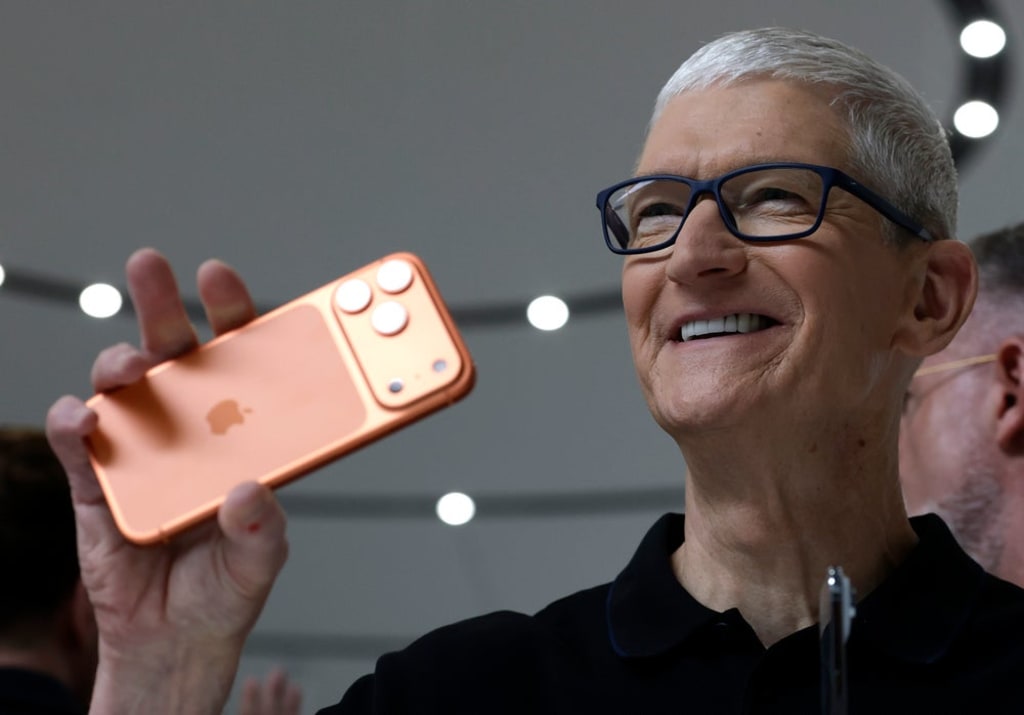
Apple's supply chain is often a high-stakes, ruthless environment where quality and yield rates are non-negotiable. The latest reports confirm a massive shift: Apple has canceled a significant portion of its planned OLED panel allocation for the high-end iPhone 17 Pro models from China’s BOE Technology, redirecting the order—reportedly up to 10 million units—to its chief rival, Samsung Display.
This abrupt decision, driven by BOE's failure to resolve critical reliability and performance issues before the mass production deadline, reinforces Samsung's technical dominance in the display market and highlights the intense difficulty faced by competitors attempting to break into Apple's most demanding product tiers.
The Failure Point: LTPO and Reliability
The core of the issue lies in Apple's transition of its entire iPhone 17 lineup to LTPO (Low-Temperature Polycrystalline Oxide) OLED panels. LTPO technology is essential for enabling dynamic refresh rates (like ProMotion, up to 120Hz) and the Always-On Display feature while conserving battery life.
Technical Complexity: Manufacturing reliable LTPO panels is notoriously difficult, requiring extreme precision in the fabrication process. BOE, despite its aggressive expansion and success in supplying lower-cost, standard OLED panels for older or non-Pro iPhone models, lacks extensive experience in high-volume LTPO production for Apple.
Reliability Issues: Reports indicate that BOE struggled with fundamental product reliability, which often manifests as uniformity problems or display irregularities, particularly at low brightness levels or on dark backgrounds. These issues were not resolved by the crucial deadline in mid-November. For Apple, which demands near-perfection for its flagship Pro line, failure to meet LTPO performance requirements is an immediate dealbreaker.
The Cost of Delay: Apple operates on tight, non-negotiable production schedules. A supplier failing to meet yield and quality targets in the months leading up to mass production forces a rapid reallocation of orders, regardless of geopolitical pressures to diversify the supply chain.
Samsung’s Unmatched Dominance Solidifies
The immediate beneficiary of BOE’s misstep is, predictably, Samsung Display. Samsung is the long-established global leader in OLED technology and possesses the highest yield rates and most mature manufacturing processes for LTPO panels.
Absorbing Demand: Samsung’s ability to quickly absorb an additional 10 million panel orders demonstrates its unparalleled scale and technical readiness. This sudden influx of orders further solidifies Samsung’s financial strength and reinforces its position as Apple’s most trusted, mission-critical supplier.
Standardization Advantage: Reports suggest that Apple may use the same high-quality Samsung M14 OLED panel across the entire iPhone 17 lineup (standard, Air, Pro, and Pro Max). This standardization strategy simplifies supply chain logistics, ensures consistent quality across all models, and dramatically reduces opportunities for BOE to gain market share in the near future.
Legal Context: This technical failure comes shortly after Samsung successfully settled a patent dispute with BOE regarding OLED technology, securing royalty payments from the Chinese firm. This legal victory, coupled with the loss of the iPhone 17 Pro order, significantly raises doubts about BOE's long-term supply stability and technical independence.
The Geopolitical and Strategic Implications
Apple has a stated strategy of diversifying its supply chain away from relying too heavily on any single region, making BOE's failure a strategic setback for the iPhone maker.
Diversification Hindered: Apple relies on BOE to exert pricing pressure on Samsung and LG Display and to geographically diversify its production. This latest setback highlights that while supply diversity is a goal, uncompromising quality and technical reliability remain the paramount factors, even if it means consolidating power with a key competitor like Samsung.
The Bar Rises: This incident serves as a stark warning to all aspiring display suppliers. The complexity of modern LTPO displays, required for features like ProMotion and high brightness, has created a technical chasm that only a few manufacturers, primarily Samsung and LG Display, can reliably bridge at Apple’s demanding scale.
Conclusion: Quality Trumps Cost
The loss of the iPhone 17 Pro display orders is a heavy blow to BOE's ambitions and a major win for Samsung Display. The episode underscores the brutal reality of Apple’s procurement standards: while Apple will seek out lower-cost alternatives to maintain pressure on its primary suppliers, it will immediately revert to the most reliable partner when core product quality—especially for a premium device like the iPhone 17 Pro—is at risk.
For consumers,
About the Creator
The goals I did not achieve
Every writing goal I made for the year is a wash. It has been this way for a while, but I think it's important to be open about my failures and the reality of how life can get in the way. This is especially true considering the several times I have posted on Vocal about my writing goals, how I was changing my approach, and where I was hoping to be for the upcoming year. I will probably do that again in a couple months, but for now, it is time to acknowledge where I am today.
By Kay Husnick23 days ago in Journal
A Prayer for Guidance, Peace, and Strength
Heavenly Father, we come before You with humble and open hearts, fully aware of our need for Your mercy and grace. In a world filled with uncertainty, distraction, and unrest, we seek refuge in You, our Creator and Sustainer. You are our shelter in times of trouble, our light in moments of darkness, and the steady foundation upon which we build our lives. We ask You to quiet our anxious thoughts, to bring clarity to our minds, and to fill our hearts with the peace that only You can give. Help us to trust in Your providence, even when the path ahead is unclear.
By Sound and Spirit5 days ago in Journal


Comments
There are no comments for this story
Be the first to respond and start the conversation.