
✨ The Smoothness Wars: Oppo’s ColorOS 16 Targets iOS Fluidity and Cross-Ecosystem Harmony
A deep dive into ColorOS 16’s performance overhaul: Analyzing the new animation engine, enhanced customization, and the strategic move towards Apple device interoperability.

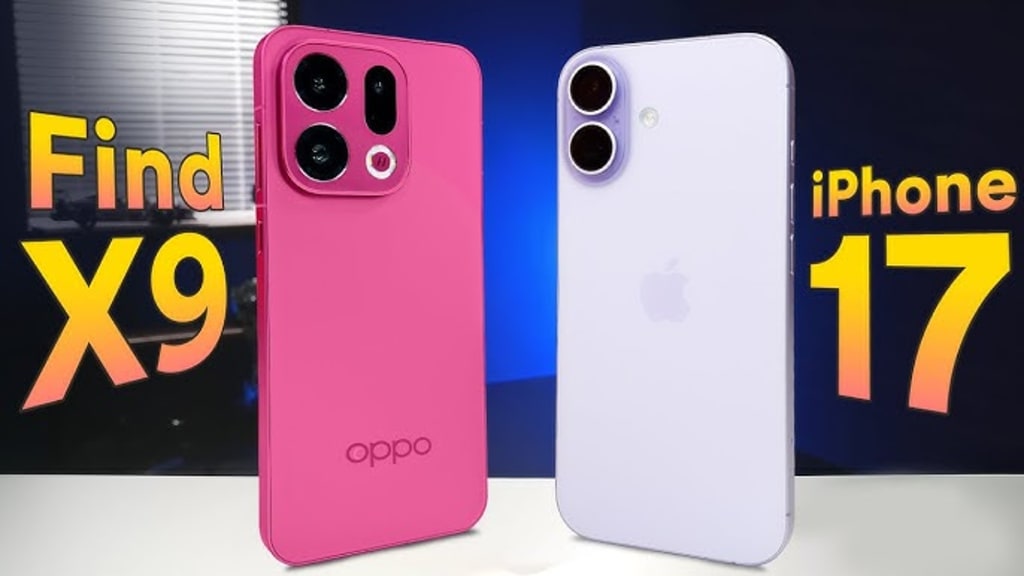
For years, the gold standard for mobile operating system fluidity has been Apple's iOS. The buttery smooth transitions, seamless scrolling, and instantaneous response times of the iPhone have long been the key differentiating factor against Android competitors. However, the latest iteration from Oppo, ColorOS 16—debuting on flagships like the Find X9—is not just seeking to close that gap; it aims to eliminate it entirely.
ColorOS 16 is a clear declaration of war on input lag and visual stutter. By combining deep system optimization with a strategic focus on cross-platform functionality, Oppo is positioning its software not just as a highly capable Android skin, but as a compelling, high-performance rival to the iPhone experience.
The Performance Engine: Chasing the iOS Gold Standard
Oppo’s engineers have reportedly overhauled the core animation and rendering pipelines in ColorOS 16 to achieve a level of sustained fluidity previously unseen in the Android ecosystem. This effort goes beyond simply utilizing high refresh rate displays (which are now standard); it focuses on micro-optimization.
Advanced Animation Algorithms: ColorOS 16 introduces an advanced Kinetic Animation Engine. This system is designed to mathematically model human visual perception and touch input, pre-rendering and caching frames before they are visually necessary. This proactive approach eliminates the perceived "delay" often felt in Android skins, resulting in app opening, closing, and multitasking animations that feel genuinely instantaneous and tactile.
Persistent Fluidity: The key challenge for Android is maintaining this smoothness under heavy load. ColorOS 16 utilizes a sophisticated Dynamic RAM Allocation system that intelligently prioritizes resources for the foreground application and crucial system processes. This ensures that even with several apps running in the background, the interface maintains its 120Hz consistency, avoiding the dreaded stuttering often associated with memory pressure.
Touch Optimization: Reports suggest significant gains in touch sampling and response rates. By reducing the latency between a user's physical input and the device's recognition, the operating system achieves a level of "snappiness" that directly rivals the low-latency feel of iOS.
Customization and User Experience: A World of Choice
While iOS champions uniformity and simplicity, ColorOS 16 retains the core Android strength: deep customization, but executes it with unprecedented polish.
Enhanced AOD (Always-On Display): ColorOS 16 pushes the boundaries of AOD personalization, allowing users to create highly customized, artistic designs using dynamic graphical elements and personalized color palettes that react to time and environment.
The Smart Sidebar Evolution: The utility sidebar has been redesigned to be more intelligent, using on-device AI to predict the application or tool the user needs based on their current activity (e.g., launching a note-taking app when a book is opened, or showing specific photo editing tools when the gallery is accessed). This focus on contextual awareness streamlines the user experience without sacrificing flexibility.
Strategic Interoperability: Bridging the Apple Gap
Perhaps the most surprising and strategically vital feature of ColorOS 16 is its reported capability for cross-ecosystem interaction with Apple devices. This moves beyond basic Bluetooth pairing and hints at deeper software integration.
File and Data Transfer: Rumors point to a refined system allowing Oppo devices to more easily share large files, photos, and links with Apple devices without requiring third-party apps, potentially leveraging open-source protocols or specialized background communication channels. This is an essential step in neutralizing the consumer appeal of Apple’s walled garden.
Peripheral Harmony: The ability for Oppo phones to seamlessly interact with common Apple peripherals—such as recognizing and managing AirPods, or pushing content to an Apple TV—would be a significant user convenience. This reduces friction for consumers living in mixed-device households and makes the Oppo ecosystem a much more palatable choice for those transitioning from iOS.
Conclusion: A Software Powerhouse is Born
Oppo’s ColorOS 16 is clearly a watershed moment in the Android landscape. It represents a mature operating system that has meticulously analyzed the strengths of its key rival, iOS, and dedicated significant engineering effort to replicating and perhaps even surpassing its famous fluidity.
By marrying flagship-level system smoothness with the versatile customization inherent to Android, and then strategically opening a bridge to the dominant Apple ecosystem, ColorOS 16 is not just making a case for the Oppo Find X9; it’s making a powerful argument for the platform itself as the new standard for premium mobile software. The smoothness wars are officially heating up, and Oppo has just launched its strongest contender yet.
About the Creator
Author’s Advice
If you would’ve asked me 20 years ago did I know I’d become a writer and an author, I would’ve said “nope, ain’t happening”. As fate would have it I did become an author and I can honestly say I’m loving it so far. It really does feel good to be a writer. I’ve learned a lot on this journey and I feel like with even me being as new to this world as I am, there’s some wisdom I need to share with every other aspiring author.
By Joe Patterson5 days ago in Journal
The War for Attention Is Exhausting — and Artists Are Feeling It
In the modern creative world, attention has become the most valuable currency. Every platform, every algorithm, and every scrolling feed competes for it. For artists, writers, musicians, and creators, the result often feels less like a creative renaissance and more like a battlefield. Instead of simply making meaningful work, many creators feel trapped in what can only be described as a war for attention.
By Navigating the World2 days ago in Journal
A Transparent Look at Vocal Challenges and Top Stories
Almost three years ago, we shared a resource article that served as a place for people to suggest new challenge prompts. We thought it would be a good idea to refresh that thread, and take the opportunity to answer a few common questions about top stories, how challenges are judged and how submissions are reviewed.
By Vocal Curation Team4 days ago in Resources




Comments
There are no comments for this story
Be the first to respond and start the conversation.