
The Silent Wealth Killer: How Inflation Eats Away at Your Money (and How to Fight Back)
Proven tactics to protect and grow your money, even when the economy is unpredictable
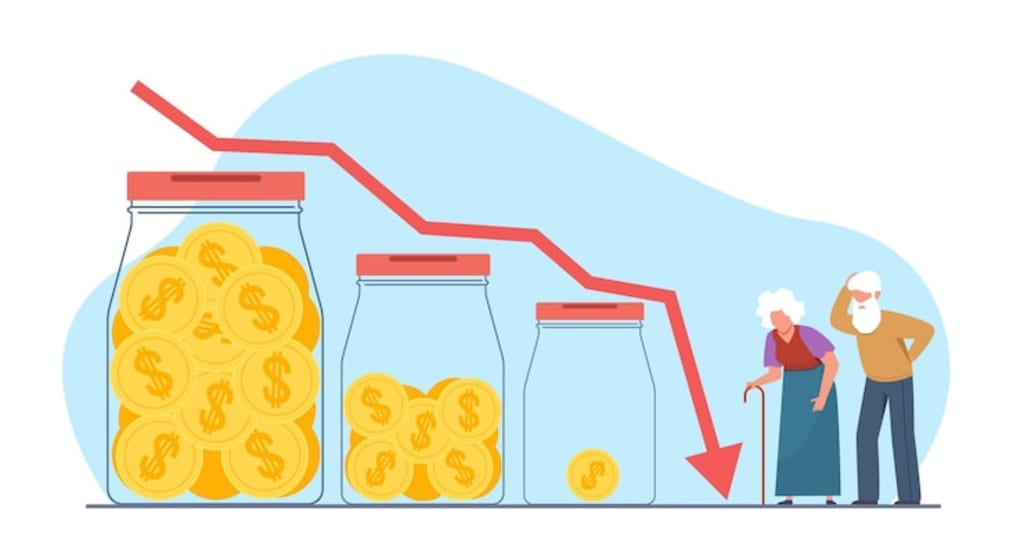
Inflation is often described as the “silent tax” — a slow, creeping force that quietly erodes the value of your money without you even realizing it. While headlines focus on interest rates, stock market volatility, or global events, inflation works quietly in the background, diminishing your purchasing power year after year.
In today’s uncertain economic climate, understanding how inflation impacts your wealth — and more importantly, how to protect yourself — is essential for anyone who wants to preserve and grow their financial future.
---
## **What Exactly Is Inflation?**
Inflation is the rate at which the general prices of goods and services increase over time. In simple terms, it’s the reason your \$100 buys less today than it did a decade ago. While moderate inflation is a normal part of a healthy economy, excessive or persistent inflation can be devastating to your savings and investments.
Imagine you have \$10,000 sitting in a savings account with 1% interest. If inflation is running at 5% per year, the **real value** of your money is actually shrinking by about 4% annually. Over several years, that can translate into a significant loss in purchasing power — even if the number in your account hasn’t gone down.
---
## **Why Inflation Is Dangerous to Your Wealth**
The real danger of inflation lies in its compounding effect. Just as compound interest can grow your money exponentially, inflation can erode it at an accelerating pace. Here’s how it works:
* **Rising Costs of Living:** Everyday essentials like groceries, rent, and fuel gradually become more expensive, forcing you to spend more of your income just to maintain the same standard of living.
* **Erosion of Savings:** If your money isn’t growing at a rate equal to or greater than inflation, its real value is shrinking over time.
* **Lower Real Returns on Investments:** Even if your portfolio earns positive returns, high inflation can reduce the *real* (inflation-adjusted) returns, leaving you with less profit than expected.
* **Impact on Retirement Plans:** If you underestimate future inflation when planning retirement, you may find yourself underfunded and forced to adjust your lifestyle.
---
## **How to Fight Back Against Inflation**
The good news? Inflation is not an unbeatable enemy. With the right strategies, you can protect — and even grow — your wealth in inflationary times.
### 1. **Invest in Assets That Outpace Inflation**
Historically, stocks, real estate, and certain commodities (like gold) have outperformed inflation over the long term. These assets can appreciate in value and generate income that keeps pace with rising prices.
### 2. **Diversify Your Portfolio**
A well-diversified portfolio spreads your risk across asset classes, industries, and geographic regions. This reduces the impact of inflation on your overall returns.
### 3. **Consider Inflation-Protected Securities**
Instruments like Treasury Inflation-Protected Securities (TIPS) in the U.S. — or inflation-linked bonds in other countries — adjust their principal value with inflation, ensuring your investment maintains its purchasing power.
### 4. **Invest in Skills and Education**
One of the most overlooked inflation hedges is *yourself*. By continuously upgrading your skills, you can command higher income in your career, staying ahead of inflation’s bite.
### 5. **Avoid Excess Cash Holdings**
While having an emergency fund is essential, holding too much idle cash means letting inflation steadily erode its value. Instead, keep your savings working in vehicles that at least match inflation rates.
---
## **The Psychological Trap**
One reason inflation is so dangerous is because it’s invisible in daily life. You don’t see a direct “inflation charge” on your receipts — instead, you notice your coffee costs \$1 more than last year, your rent went up by \$200, or your grocery bill feels heavier.
This subtlety often leads people to underestimate its long-term impact. That’s why proactive financial planning is key — because by the time inflation’s effects are obvious, it’s already too late to fully avoid them.
---
## **Final Thoughts**
Inflation may be an inevitable part of the economy, but it doesn’t have to be the silent thief of your wealth. By staying informed, diversifying your assets, and making proactive investment choices, you can protect your purchasing power and even thrive in inflationary periods.
The sooner you take action, the more prepared you’ll be for the years ahead.
---
**Disclaimer:** This article is for educational purposes only and does not constitute financial advice. Always consult a licensed financial advisor before making investment decisions.
---
About the Creator
The goals I did not achieve
Every writing goal I made for the year is a wash. It has been this way for a while, but I think it's important to be open about my failures and the reality of how life can get in the way. This is especially true considering the several times I have posted on Vocal about my writing goals, how I was changing my approach, and where I was hoping to be for the upcoming year. I will probably do that again in a couple months, but for now, it is time to acknowledge where I am today.
By Kay Husnick23 days ago in Journal
Cultivating Inner Peace: Simple Ways to Boost Your Spiritual Growth at Home.
In today's fast-paced world, it's easy to become consumed by the demands of work, family, and social obligations. We often prioritize external achievements, leaving little room for nurturing our inner selves. Yet, cultivating our spiritual growth is crucial for finding lasting peace, purpose, and connection. Fortunately, you don't need to climb a mountain or join a monastery to embark on a spiritual journey. You can cultivate a vibrant spiritual life right in the comfort of your own home.
By Wilson Igbasi2 days ago in Journal




Comments (1)