
The Role of Trusts in Texas Estate Planning – A Story
The Role of Trusts in Texas Estate Planning – A Story
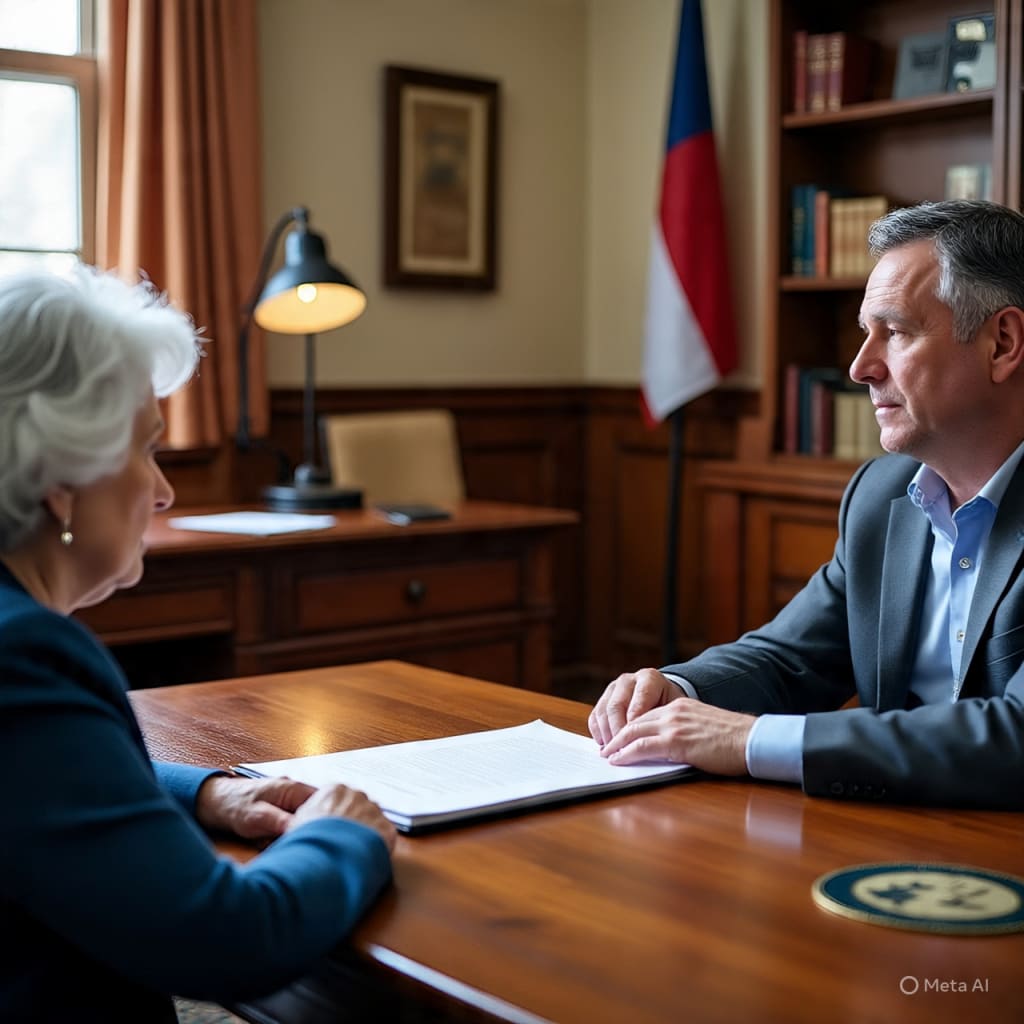
When Sarah and Michael moved into their cozy Fort Worth home, estate planning was the last thing on their minds. Between raising kids, managing careers, and enjoying weekend barbecues with neighbors, the idea of drafting legal documents felt unnecessary—something reserved for people with mansions and million-dollar fortunes.
But everything changed the day Sarah’s mother passed away. Settling her estate through probate turned into a long, expensive, and emotionally draining process. As the months dragged on, Sarah realized she wanted something different for her own family. She didn’t want courtrooms, filings, or strangers involved in personal family matters. She wanted clarity—and privacy.
That’s when she and Michael visited a Fort Worth estate planning attorney and discovered the world of trusts.
A New Perspective on Planning
The attorney explained it simply: “Most people think estate planning begins and ends with a will. But in Texas, a will is only the start.”
He described how a trust could act as a flexible, private tool—one that works not only after death but also during life. While a will must go through probate, a trust avoids it entirely, keeping the family’s affairs out of the public eye.
For a family like Sarah and Michael’s, who valued both simplicity and privacy, this was appealing.
Understanding What a Trust Really Is
The attorney compared a trust to a treasure chest.
The grantor (Sarah and Michael) place items inside.
The trustee holds the key and manages what’s inside.
The beneficiaries—their children—receive the treasure at the right time, under the right conditions.
The rules they set would guide how everything in the trust was handled.
Unlike a will, this “treasure chest” would work immediately—during illness, during emergencies, and after death.
Why It Mattered in Texas
Living in a community property state added another layer. Most assets acquired during marriage belonged to both spouses, but that didn’t eliminate the need for planning.
The attorney explained five reasons trusts were especially helpful in Texas:
1. No Probate Headaches
Sarah instantly remembered the months she spent dealing with her mother’s estate. A trust could spare her own children from that ordeal.
2. Privacy
Probate was public. A trust was not.
No nosy neighbor or curious stranger could look up what they owned.
3. Flexibility
They could decide:
When their kids received money
How much
Under what conditions
No 18-year-old would suddenly inherit everything.
4. Protection
If their child faced a lawsuit or made poor financial decisions, the trust could shield assets.
5. Incapacity Planning
If something happened to Sarah or Michael, the trust would guide financial decisions without needing a court-appointed guardian.
Choosing the Right Type of Trust
The attorney walked them through several options:
Revocable Living Trust: Flexible and changeable—perfect for avoiding probate.
Irrevocable Trust: Permanent, but strong asset protection.
Testamentary Trust: Created in a will; helpful for young children.
Special Needs Trust: Protects benefits for a disabled loved one.
Charitable Trust: Supports causes they care about while offering tax perks.
For now, they chose a revocable living trust, knowing they could adjust it as life changed.
Overcoming Common Misconceptions
Michael had always thought trusts were “just for the wealthy.”
The attorney smiled. “That’s one of the biggest myths I hear,” he said.
He explained that trusts benefit everyday Texas families—especially those who want to avoid probate or protect their children. A will alone couldn’t do that.
Building a Complete Estate Plan
Creating a trust wasn’t the end of the journey. Sarah and Michael also needed:
A will for anything not placed in the trust
Powers of attorney for financial and medical decisions
Advance directives for healthcare wishes
Up-to-date beneficiary designations for life insurance and retirement accounts
Their estate plan became a well-oiled machine, each document supporting the others.
Bringing It All Together
The attorney helped them:
Define their goals—simplicity, privacy, and protection.
Choose the right type of trust.
Pick a trustee they could trust.
Draft a legally sound document.
Fund the trust—a key step often overlooked.
Review it over time as their family grew and changed.
What once felt confusing now felt empowering.
A Sense of Peace
Walking out of the Fort Worth law office, Sarah felt lighter.
She wasn’t just protecting money—she was protecting memories, her children’s futures, and her family’s peace of mind.
A trust wasn’t just a legal document.
It was a gift of clarity, comfort, and control.
The Bottom Line of Their Story
Trusts make estate planning in Texas stronger, smoother, and more protective. For families like Sarah and Michael, they provide:
Flexibility
Privacy
Asset protection
Probate avoidance
Ongoing support during incapacity
Whether you’re planning for the future or simply trying to avoid the hardships Sarah went through, a trust—crafted with the help of a Fort Worth estate attorney—can be one of the most valuable tools you use.
About the Creator
The goals I did not achieve
Every writing goal I made for the year is a wash. It has been this way for a while, but I think it's important to be open about my failures and the reality of how life can get in the way. This is especially true considering the several times I have posted on Vocal about my writing goals, how I was changing my approach, and where I was hoping to be for the upcoming year. I will probably do that again in a couple months, but for now, it is time to acknowledge where I am today.
By Kay Husnick24 days ago in Journal
Why Catholics Believe Faith and Works Go Together
Why Catholics Believe Faith and Works Go Together A question often asked by non-Catholics is how faith and works relate in the Catholic understanding of salvation. Some believe that Catholics rely on “good works” to earn salvation, while others think faith alone is sufficient. The truth in Catholic teaching is that faith and works are inseparably connected, and both are essential for a living, authentic Christian life. Understanding this balance begins with Scripture, is explained through Church teaching, and is supported by centuries of theological reflection.
By Sound and Spirit6 days ago in Journal



Comments
There are no comments for this story
Be the first to respond and start the conversation.