
The Role of Telemedicine in Supporting Medical Tourists
Before and After Travel

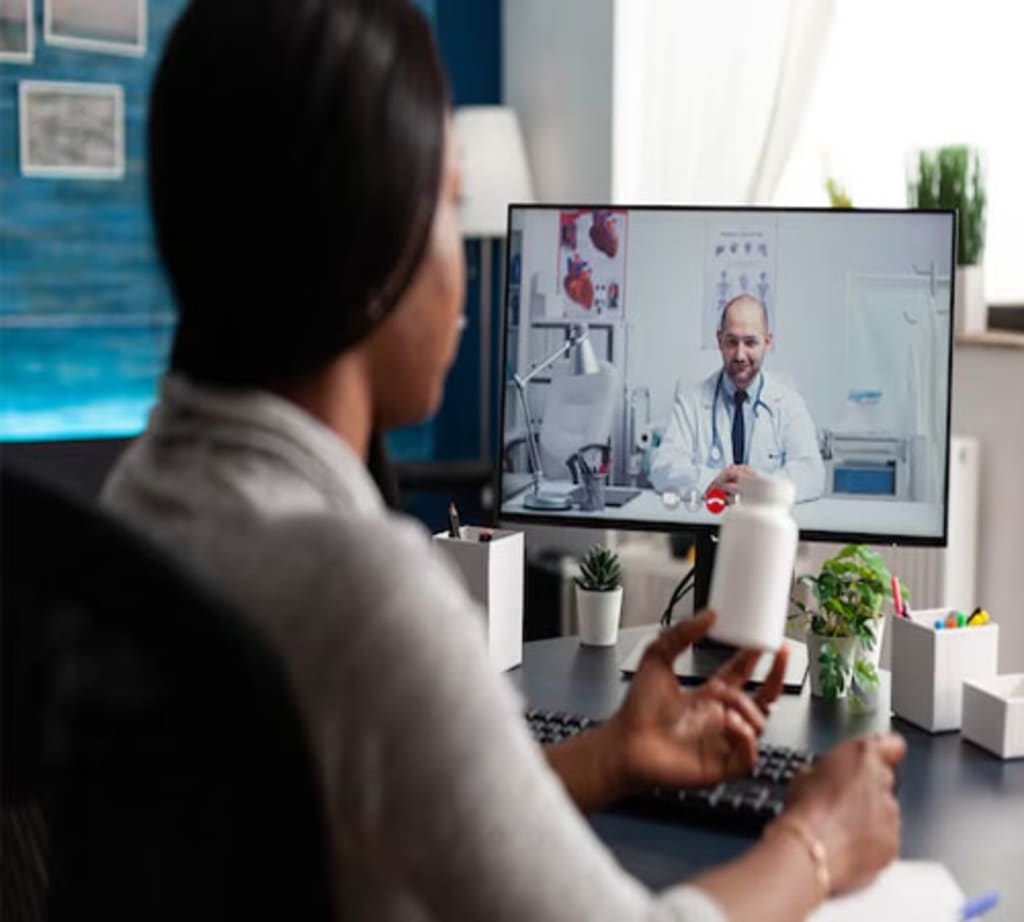
Telemedicine, the practice of using technology to provide healthcare services remotely, has revolutionized patient care globally. In medical tourism, where patients travel internationally for treatments, telemedicine plays a pivotal role in bridging the gap between geographical distances and healthcare accessibility. From pre-travel consultations to post-operative follow-ups, telemedicine offers seamless support for medical tourists, ensuring continuity of care and enhancing the overall patient experience.
Pre-Travel Support: Virtual Consultations
One of the critical phases in medical tourism is the decision-making process. Telemedicine facilitates this stage by enabling patients to connect with healthcare professionals in their destination country.
1. Initial Assessments
Patients can share their medical history, diagnostic reports, and concerns with specialists through video calls or secure online platforms. This interaction helps doctors evaluate the case and recommend appropriate treatment plans without requiring the patient to travel initially.
2.Building Trust
Virtual consultations allow patients to assess the qualifications, expertise, and communication style of their chosen healthcare providers. Building trust is essential when seeking medical treatment abroad, and telemedicine offers a platform for establishing confidence in the care provider.
3.Cost and Logistics Planning
Patients can discuss the costs of treatment, available packages, and expected outcomes directly with the hospital or clinic. Additionally, queries about visa formalities, accommodation, and travel arrangements can be addressed, helping patients plan their medical journey more effectively.
Post-Treatment Follow-Ups: Ensuring Continuity of Care
After the procedure, patients often face the challenge of coordinating follow-up care from their home country. Telemedicine eliminates this barrier, ensuring smooth recovery and monitoring.
1. Regular Check-Ins
Post-surgery, patients can schedule virtual appointments to update their doctors on recovery progress. Real-time discussions allow for timely intervention if complications arise, reducing the risk of readmission.
2. Rehabilitation Guidance
Many treatments, such as orthopedic or cardiac procedures, require physiotherapy or lifestyle adjustments. Telemedicine enables therapists and nutritionists to guide patients remotely, ensuring they adhere to recovery protocols.
3. Prescription and Test Review
Patients can share test results or imaging studies electronically. Doctors can then adjust medications or treatment plans as needed, maintaining the quality of care without necessitating travel.
Advantages of Telemedicine for Medical Tourists
1. Convenience and Cost-Effectiveness
Telemedicine eliminates the need for repeated travel, saving patients time and expenses. This is especially beneficial for those undergoing treatments requiring multiple follow-ups.
2. Enhanced Communication
The availability of translation services in telemedicine platforms ensures that language barriers do not hinder effective communication between international patients and healthcare providers.
3. Minimized Risk
Telemedicine provides a safe option for immunocompromised patients or those recovering from major surgeries, allowing them to avoid unnecessary exposure during travel.
4. Accessibility to Specialists
Patients from remote areas or countries with limited medical resources can access world-class expertise through telemedicine, expanding their options for quality care.
Challenges and Future Prospects
While telemedicine has numerous advantages, challenges like technological infrastructure, data privacy concerns, and internet accessibility need addressing. Governments and healthcare providers must collaborate to create secure, user-friendly platforms that cater to medical tourists.
Looking ahead, integrating telemedicine with artificial intelligence and wearable health technologies promises even greater advancements. Features like remote monitoring through smart devices and AI-driven diagnostics can enhance patient outcomes and streamline medical tourism further.
Conclusion
Telemedicine has become an indispensable tool in the medical tourism industry, offering patients a reliable means to navigate their healthcare journey efficiently. By connecting patients with healthcare providers before and after travel, telemedicine ensures continuity, convenience, and confidence in care. As technology continues to evolve, its role in medical tourism will undoubtedly expand, setting new standards for patient-centric healthcare worldwide.
About the Creator
Hello | Dania Medicare Solutions
Dania Medicare Solutions is a premier medical tourism company dedicated to offering patients access to top-tier healthcare services worldwide.
Keep reading
More stories from Hello | Dania Medicare Solutions and writers in Journal and other communities.
How India is leading the World in Cancer Treatment Innovations
Cancer remains one of the leading causes of mortality worldwide, but innovative treatments and advanced care are transforming the oncology landscape. India has emerged as a global leader in cancer treatment innovations, leveraging cutting-edge technologies, groundbreaking research, and holistic care approaches. From novel therapies to advanced diagnostic tools, Indian healthcare institutions are setting benchmarks in oncology.
By Hello | Dania Medicare Solutionsabout a year ago in Journal
Essential Collaboration Skills for Hybrid Work Environments
Introduction Hybrid work has changed how we collaborate—not just where we work, but how we connect, communicate, and contribute. When teams are split between physical offices and remote spaces, collaboration no longer happens naturally. It must be designed, practiced, and protected.
By Nimra kanwal5 days ago in Journal




Comments
There are no comments for this story
Be the first to respond and start the conversation.