
The Role of Pergolas in Sustainable Outdoor Spaces and Rainwater Harvesting
A Guide To Living Sustainably
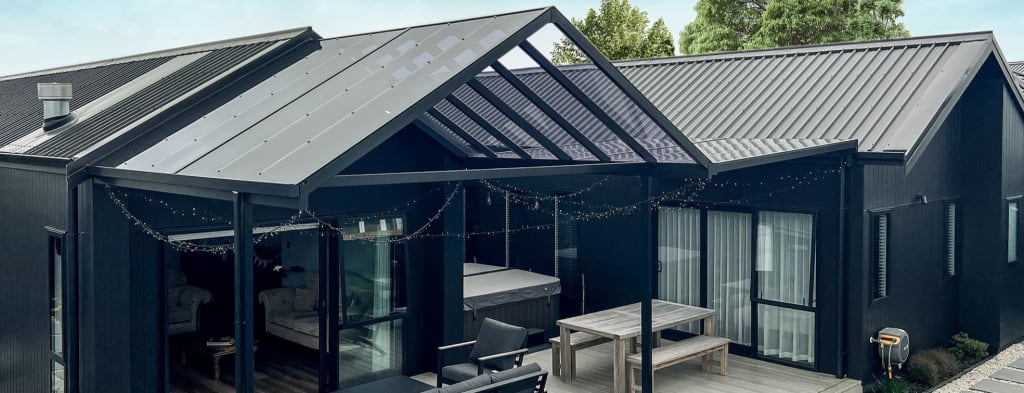
As sustainability becomes a core focus in home and garden design, more people are looking for ways to create environmentally friendly outdoor spaces. Pergolas, known for their aesthetic appeal and practical use, have become a popular feature in backyards and gardens around the world. Beyond enhancing visual appeal and providing shade, pergolas can play a significant role in promoting sustainability through the integration of rainwater harvesting systems and eco-friendly materials. By thoughtfully incorporating a pergola into your outdoor design, you can not only create a beautiful space but also contribute to water conservation and greener living. Here’s an in-depth look at how pergolas can support sustainable outdoor spaces and facilitate rainwater harvesting.
Integrating Rainwater Harvesting with Pergolas
Rainwater harvesting is an essential technique for sustainable gardening, especially in areas prone to drought or water restrictions. By collecting and storing rainwater, you can reduce dependence on municipal water supplies and save money on your water bills. When combined with a pergola, rainwater harvesting can be both effective and aesthetically pleasing.
Many pergola designs, especially those with sloped roofs like Pitched Pergolas and Gable Pergolas, are well-suited for rainwater collection. The roof can be fitted with gutters and downspouts, allowing rainwater to be channeled directly into storage containers, such as rain barrels or larger underground tanks. By installing a filtration system, you can ensure that the water is clean and safe for various uses, such as watering plants, washing outdoor furniture, or even flushing toilets.
Pitched and Gable Pergolas are particularly efficient for rainwater harvesting as their sloped roofs naturally direct water flow. With these styles, water can easily be collected in gutters and directed into storage containers. These systems can be relatively simple to install, and by positioning the pergola in a strategic area of your yard, you can maximise the amount of water collected. Rainwater storage can then be used to sustain gardens during dry periods, reducing the need for supplementary watering.
Benefits of Rainwater Harvesting with Pergolas
Rainwater harvesting with a pergola offers numerous environmental and practical benefits. By utilising rainwater for your gardening and cleaning needs, you can help reduce the demand on local water supplies. This is especially important in areas facing water shortages or seasonal restrictions.
Rainwater is free from chemicals like chlorine and fluoride, which are often present in tap water. Plants tend to thrive better with natural rainwater, as it promotes healthier root systems and helps maintain soil quality. Using rainwater can also reduce runoff, which is beneficial for the local ecosystem. Runoff can carry pollutants from lawns and gardens into nearby waterways, but by capturing rainwater, you help reduce this potential source of pollution.
Setting Up a Rainwater Harvesting System
To set up a rainwater harvesting system on your pergola, you’ll need to install gutters along the edges of the pergola roof. These gutters should direct water towards a downspout, which channels the water into a storage container. Rain barrels are a popular option for home gardens as they are easy to set up and maintain. For larger gardens or properties, cisterns or underground tanks provide additional storage capacity.
Adding a filtration system is a good idea if you plan to use the water for more than just irrigation, as it helps remove debris and contaminants. You can also connect your rain barrel to a drip irrigation system, which efficiently delivers water to plants at their roots, further conserving water and promoting healthy plant growth.
Choosing Eco-Friendly Materials for Pergolas
The sustainability of a pergola is influenced by the materials used in its construction. Choosing eco-friendly materials not only reduces environmental impact but also aligns with a sustainable lifestyle. For instance, sustainably sourced wood, like cedar or bamboo, is a renewable resource with a lower carbon footprint compared to synthetic materials.
Bamboo is especially sustainable due to its rapid growth and minimal need for water and pesticides. This makes it a popular choice for environmentally conscious homeowners. Reclaimed wood is another excellent option, as it repurposes materials that might otherwise end up in landfills. Not only is reclaimed wood environmentally friendly, but it also offers unique textures and character that can enhance the aesthetic appeal of your pergola.
For a low-maintenance and durable alternative, consider recycled metal or aluminium. Aluminium is lightweight, resistant to rust, and fully recyclable, making it a suitable option for long-lasting pergolas. Using recycled metal reduces demand for new materials and minimises waste, contributing to a more sustainable construction process.
Sustainable Finishes and Treatments
When building a pergola with wood or other materials, it’s essential to choose finishes and treatments that are safe for the environment. Look for non-toxic, water-based stains and sealants that provide protection without releasing harmful chemicals into the air or soil. These products offer the same level of durability as traditional finishes but are much safer for the surrounding ecosystem.
Supporting Sustainable Landscaping with Shade and Structure
Pergolas provide natural shade, which helps reduce the need for energy-intensive cooling systems such as outdoor fans or misters. By positioning your pergola to offer optimal shade, you can keep your outdoor space cooler and more comfortable. This not only conserves energy but also creates a microclimate that can help protect sensitive plants from excessive heat and sun exposure.
Pergolas can support climbing plants, such as wisteria, vines, or native species, which provide additional shade and promote biodiversity. These plants contribute to a cooler environment by absorbing sunlight and promoting airflow. They also attract pollinators, like bees and butterflies, which are essential for maintaining a healthy garden ecosystem. Climbing plants create natural shade over the pergola, reducing the amount of heat absorbed by the structure and further enhancing the cooling effect.
Native and Drought-Resistant Plants
For an even more sustainable pergola, consider incorporating native or drought-resistant plants into the surrounding landscape. Native plants are well adapted to the local climate and typically require less water and maintenance, making them ideal for eco-friendly gardening. Drought-resistant plants like succulents, lavender, and ornamental grasses are also great choices for areas prone to water shortages, as they can thrive with minimal watering.
These plants not only conserve water but also help prevent soil erosion and reduce the need for chemical fertilisers or pesticides. By choosing plants that are naturally suited to your environment, you can create a garden that supports local wildlife and reduces environmental impact.
Creating a Water-Wise Garden with Pergolas
Pergolas can play a central role in a water-wise garden, which is designed to conserve water while maintaining plant health. By providing shade over garden beds, pergolas help reduce evaporation and keep the soil moist for longer. Pairing your pergola with a drip irrigation system connected to a rainwater harvesting setup allows for precise watering that minimises waste.
Water-wise gardens often feature mulched areas, which help retain moisture and reduce the need for frequent watering. Adding a pergola to a mulched garden bed can create a shaded, moist environment that’s perfect for drought-tolerant plants. This setup not only conserves water but also reduces the amount of time and effort required for garden maintenance.
Permeable Surfaces for Sustainable Drainage
When designing a water-wise garden, consider using permeable surfaces like gravel or mulch under your pergola. These materials allow rainwater to naturally soak into the ground, replenishing the water table and reducing runoff. This is beneficial for the local environment, as it supports groundwater recharge and minimises erosion.
Permeable surfaces also reduce the need for artificial drainage systems, making them a sustainable choice for outdoor spaces. By allowing rainwater to filter back into the soil, you create a garden that’s better equipped to handle heavy rainfall and reduce stress on local stormwater systems.
Pergolas as Part of a Holistic Sustainable Living Approach
Incorporating a pergola into a sustainable living plan can create a space that’s not only beautiful but also environmentally friendly. When thoughtfully designed, pergolas offer much more than just shade; they contribute to water conservation, support biodiversity, and enhance overall outdoor comfort.
Pergolas can also be paired with other sustainable features, such as solar panels or green roofs, to further reduce environmental impact. A solar-powered pergola can provide lighting for evening gatherings or power small outdoor appliances, while a green roof planted with drought-tolerant succulents or sedums can offer additional insulation and reduce the urban heat island effect.
By integrating sustainable practices into your pergola design, you’re taking a step towards reducing your carbon footprint and promoting a healthier, more eco-conscious lifestyle. As sustainable living becomes increasingly important, features like pergolas serve as a practical and attractive way to make your outdoor space greener. Whether you’re interested in rainwater harvesting, biodiversity, or energy-efficient design, a pergola can help you create an outdoor area that aligns with your environmental values.
Pergolas offer an excellent opportunity to support sustainability while enhancing the aesthetics and functionality of your outdoor space. By combining rainwater harvesting, eco-friendly materials, and thoughtful landscaping, you can make your pergola a central element in a sustainable garden. With the right approach, pergolas can serve as a valuable tool for conserving resources, reducing environmental impact, and fostering a greener, more enjoyable outdoor lifestyle.
About the Creator
Keep reading
More stories from Your NZ Local and writers in Journal and other communities.
The Future of Diesel Engines
Diesel engines have long been a cornerstone of industries worldwide, known for their durability, efficiency, and power. However, with growing concerns about environmental impact and sustainability, the diesel engine industry is undergoing a significant transformation. As regulations become more stringent and societal expectations shift towards greener practices, the future of diesel engines is being shaped by innovations that aim to reduce emissions, improve efficiency, and incorporate renewable fuels. Here’s a look at how the diesel engine industry is evolving to meet the demands of sustainability and beyond.
By Your NZ Localabout a year ago in Journal
Author’s Advice
If you would’ve asked me 20 years ago did I know I’d become a writer and an author, I would’ve said “nope, ain’t happening”. As fate would have it I did become an author and I can honestly say I’m loving it so far. It really does feel good to be a writer. I’ve learned a lot on this journey and I feel like with even me being as new to this world as I am, there’s some wisdom I need to share with every other aspiring author.
By Joe Patterson5 days ago in Journal
Why Didn't Anyone Tell Us
Men, move along. This is not for you. This is for the women. I was forty-five when I began menopause. It is pretty young for that to be going on in a woman’s life, but I had undiagnosed PCOS, my entire life. Thank you to all the gynecologists I had seen my entire life. That in itself should encourage women to keep seeking second opinions, especially when you are not getting correct answers or any at all.
By Alexandra Grant6 days ago in Humans




Comments
There are no comments for this story
Be the first to respond and start the conversation.