
The Future of Diesel Engines
Sustainability and Beyond
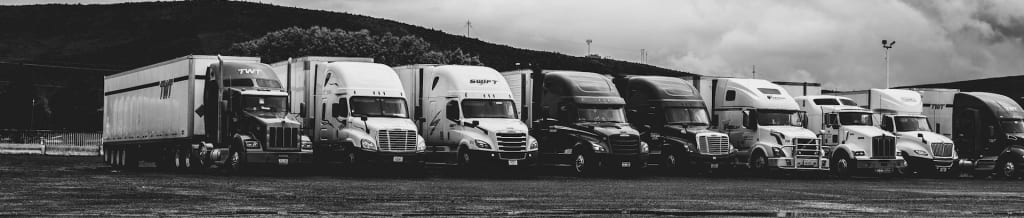
Diesel engines have long been a cornerstone of industries worldwide, known for their durability, efficiency, and power. However, with growing concerns about environmental impact and sustainability, the diesel engine industry is undergoing a significant transformation. As regulations become more stringent and societal expectations shift towards greener practices, the future of diesel engines is being shaped by innovations that aim to reduce emissions, improve efficiency, and incorporate renewable fuels. Here’s a look at how the diesel engine industry is evolving to meet the demands of sustainability and beyond.
Embracing Renewable and Alternative Fuels
One of the most promising developments in the future of diesel engines is the shift towards renewable and alternative fuels. Traditional diesel fuel, derived from fossil fuels, has a significant carbon footprint, contributing to greenhouse gas emissions. To address this, the industry is exploring the use of biodiesel and renewable diesel, both of which offer lower carbon emissions while maintaining compatibility with existing diesel engines.
Biodiesel is produced from renewable sources such as vegetable oils and animal fats. It can be blended with conventional diesel, allowing businesses to reduce their reliance on fossil fuels without investing in entirely new engine systems. Renewable diesel, on the other hand, is chemically similar to conventional diesel but is made from renewable resources. It can be used as a direct substitute for fossil diesel, offering lower emissions without compromising performance.
These renewable fuel options are a step towards sustainability, reducing the carbon footprint of diesel engines and helping industries transition to cleaner energy sources. As technology continues to advance, the adoption of these fuels will likely increase, making diesel engines a viable part of a sustainable energy mix.
Innovations in Emissions Control
Reducing emissions remains a key focus in the future of diesel technology. Modern diesel engines are equipped with advanced emissions control technologies that significantly lower harmful pollutants such as nitrogen oxides (NOx) and particulate matter (PM). Technologies like Selective Catalytic Reduction (SCR) and Exhaust Gas Recirculation (EGR) are already being used to meet stringent emissions standards, and further advancements are on the horizon.
Selective Catalytic Reduction (SCR) uses a urea-based solution to convert NOx emissions into harmless nitrogen and water vapour, effectively reducing the engine’s environmental impact. Exhaust Gas Recirculation (EGR) helps to lower NOx emissions by recirculating a portion of the engine’s exhaust gas back into the combustion chamber, thus reducing the formation of nitrogen oxides during combustion.
Ongoing research is focusing on improving the efficiency of Diesel Particulate Filters (DPF) and exploring new materials for catalytic converters. These efforts aim to create engines that not only meet but exceed emissions standards, making diesel engines cleaner and more environmentally friendly.
Hybrid Diesel-Electric Systems
Hybrid diesel-electric systems represent another important trend in the future of diesel engines. By combining diesel power with electric motors, hybrid systems offer greater efficiency and reduced emissions, particularly in applications with variable load demands. These systems are increasingly popular in industries such as transportation and construction, where flexibility and fuel efficiency are crucial.
In hybrid systems, the diesel engine can operate at optimal efficiency, handling high-demand tasks, while the electric motor takes over during lighter loads or when idling. This reduces overall fuel consumption and emissions, making hybrid diesel engines an appealing option for businesses looking to balance power with environmental responsibility.
The integration of battery technology with diesel engines is also evolving, with advancements in battery storage and charging capabilities. As battery technology continues to improve, we can expect to see more diesel-electric hybrid systems in various applications, offering a bridge between traditional diesel power and fully electric solutions.
Digital Transformation and Smart Engine Technology
The future of diesel engines is also being shaped by digital transformation and the rise of smart engine technology. Modern diesel engines are equipped with sensors and connected to cloud-based platforms, allowing for real-time monitoring, predictive maintenance, and data-driven decision-making. These advancements not only improve the operational efficiency of diesel engines but also contribute to sustainability by reducing waste and preventing costly breakdowns.
With real-time monitoring, operators can track engine performance, fuel consumption, and emissions levels, ensuring that engines are running at peak efficiency. Predictive maintenance uses data analytics to predict when an engine will require maintenance, allowing for proactive repairs that extend the engine’s lifespan and prevent unexpected downtime.
Smart engine technology also plays a role in optimising fuel usage, as data can help operators make adjustments that reduce fuel consumption and emissions. By leveraging these digital tools, businesses can improve the efficiency of their diesel engines, reducing both operational costs and environmental impact.
Exploring Hydrogen and Fuel Cell Technologies
As the push for sustainability grows, the diesel industry is exploring alternative technologies such as hydrogen fuel cells. Hydrogen, when used in fuel cells, emits only water vapour, making it an attractive option for reducing greenhouse gas emissions. While hydrogen fuel cells are still an emerging technology in the diesel sector, there is potential for them to be integrated with diesel engines to create a cleaner and more versatile power source.
Hydrogen can be used in a variety of ways within the diesel industry. For example, hydrogen-diesel dual-fuel systems can provide a cleaner burn by combining hydrogen with diesel fuel. This reduces emissions while still leveraging the power and reliability of diesel engines. As hydrogen infrastructure develops, we may see more widespread adoption of hydrogen technology within the diesel industry, further contributing to sustainability.
The Role of Diesel Engines in a Sustainable Future
While the global energy landscape is shifting towards renewable energy sources, diesel engines continue to play a vital role in industries where high power and reliability are required. By adopting new technologies and embracing sustainable practices, the diesel engine industry is positioning itself to meet the demands of the future. Diesel engines are evolving to become cleaner, more efficient, and increasingly compatible with renewable energy sources, ensuring their relevance in a sustainable world.
The future of diesel engines will likely involve a combination of advanced emissions control, renewable fuels, hybrid technology, and digital innovation. As these trends continue to develop, diesel engines will remain an essential component of industries ranging from transportation and agriculture to construction and logistics, offering a path to sustainability without sacrificing performance.
The future of diesel engines is one of adaptation and innovation. By embracing sustainability and exploring new technologies, the industry is paving the way for a cleaner, more efficient future where diesel power can coexist with a commitment to environmental stewardship. Diesel engines will continue to evolve, not just to meet today’s standards but to exceed them, contributing to a more sustainable and resilient world.
About the Creator
Keep reading
More stories from Your NZ Local and writers in Journal and other communities.
Why Labour Hire Works
Companies across various industries are constantly facing challenges in meeting their staffing needs efficiently and affordably. Labour hire, a flexible workforce solution, has become a cost-effective alternative for businesses needing to adapt to fluctuating workloads, project-specific needs, and seasonal demands. Whether in construction, manufacturing, or hospitality, labour hire offers numerous benefits that can help companies save money and increase operational efficiency. Here’s why labour hire works as an effective staffing solution for businesses looking to optimise their workforce without the long-term financial commitments.
By Your NZ Localabout a year ago in Journal
How Receipt Printers Improve Checkout Speed in Retail Stores
Introduction Retail stores in New Zealand often face long queues during busy hours. Customers expect quick service, especially in supermarkets, convenience stores, and small retail outlets. When checkout lines move slowly, shoppers may feel frustrated and leave the store with a negative experience.
By POS Central NZabout 18 hours ago in Journal




Comments
There are no comments for this story
Be the first to respond and start the conversation.