
The Role of Packaging in Reducing Product Returns
How Smart Packaging Strategies Help Prevent Damage, Boost Customer Satisfaction, and Cut Costs

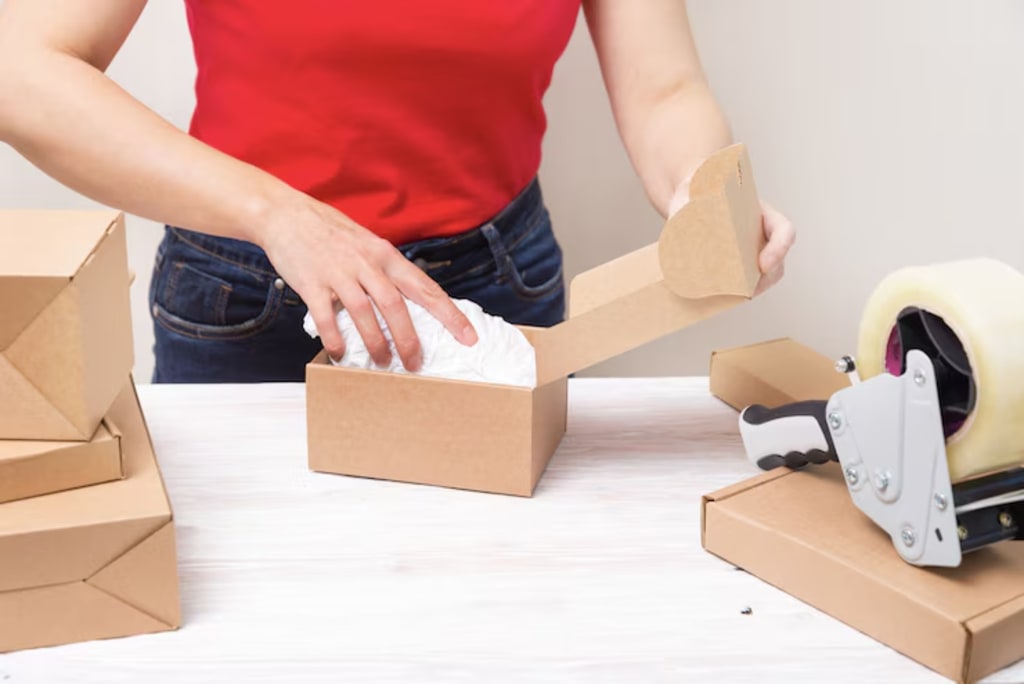
Packaging is often the first line of defense against product damage. Brands like BestPack, which focus on sealing accuracy and durability, contribute to lower return rates across various industries. In today’s highly competitive e-commerce and retail landscape, ensuring that products arrive intact and as expected is essential, not just for customer satisfaction but also for business profitability.
Returned products cost companies billions annually, with many returns attributed not to product defects, but to packaging failures. Whether it’s a crushed box, a broken seal, or an item that shifts too much in transit, poor packaging can damage more than just the contents, it can damage your brand’s reputation.
Why Packaging Matters in Return Reduction
Effective packaging serves multiple purposes: it protects, preserves, informs, and enhances the customer experience. Let’s take a closer look at how each of these roles contributes to reducing product returns.
1. Protection from Physical Damage
At the most fundamental level, packaging must protect its contents from shocks, drops, and vibrations during handling and shipping. Strong outer cartons, cushioned interiors, and reliable sealing solutions like those offered by companies like BestPack help minimize the chances of damage. When packages arrive in perfect condition, the likelihood of returns due to breakage or defect plummets.
2. Preventing Tampering and Theft
Tamper-evident packaging plays a crucial role in customer confidence. Packaging that is visibly sealed and difficult to open without detection discourages theft and ensures customers receive a product that hasn’t been altered or used. Automated taping solutions help ensure consistent, tamper-resistant seals that provide peace of mind to both retailers and customers.
3. Reducing Mislabeling and Mispacking Errors
Mislabeling or incorrect item packing are common causes of returns. Packaging automation systems, like those integrated with BestPack’s solutions, reduce human error by streamlining the sealing and labeling process. Accurate packaging ensures that customers receive exactly what they ordered, reducing costly mix-ups.
4. Optimizing Size and Fit
Oversized or poorly fitted packaging increases the risk of internal damage. Right-sizing packaging not only saves material costs but also reduces the chance of movement within the box, which can harm fragile items. Customized packaging design helps businesses match their packaging to their product dimensions more effectively.
5. Enhancing Unboxing Experience
A positive unboxing experience contributes to customer satisfaction, which in turn decreases the likelihood of returns. Well-designed, easy-to-open packaging signals quality and professionalism. It reassures customers that care went into the entire delivery process, not just the product itself.
Data Doesn’t Lie: Packaging Reduces Returns
Several studies show that investing in high-quality packaging can lead to significant reductions in return rates. For example, a well-sealed package reduces the chances of water or dust intrusion. Durable cartons prevent corner crushing and protect sensitive electronics or perishables. Over time, these reductions add up to thousands, if not millions, of dollars saved in reverse logistics and restocking.
Best Practices for Return-Reducing Packaging
- Use durable, crush-resistant materials
- Automate sealing with trusted systems like BestPack
- Incorporate internal cushioning based on product fragility
- Design right-sized packaging
- Ensure proper labeling and secure closures
- Consider customer experience during unboxing
Conclusion
Product returns are not just a logistical nuisance, they’re a direct hit to your brand reputation and bottom line. Packaging is a simple yet powerful tool to mitigate these losses. By investing in high-quality, automated, and strategically designed packaging solutions, such as those offered by BestPack, businesses can protect their products, delight their customers, and significantly reduce return rates.
In the age of instant reviews and viral complaints, smart packaging isn’t just protection, it’s prevention.
Frequently Asked Questions
Q1: What’s the most common cause of product returns related to packaging?
A: The most common cause is damage during transit due to inadequate protection or poor sealing.
Q2: How does automation in packaging help reduce returns?
A: Automated systems reduce human error, ensure consistent sealing, and improve overall package integrity, reducing errors and damages.
Q3: Can better packaging reduce costs long-term?
A: Yes. While there may be upfront costs, reducing returns lowers reverse logistics expenses and increases customer retention.
Q4: What industries benefit most from high-quality packaging?
A: E-commerce, electronics, food & beverage, pharmaceuticals, and any sector where product integrity during transit is critical.
About the Creator
Keep reading
More stories from Daily Blog and writers in Journal and other communities.
Where to Find the Best Deals on Online Indian Groceries in Chicago (Weekly Picks)
Let’s be honest—shopping for Indian groceries in Chicago can feel like an unpredictable treasure hunt. If you live in Chicago and love Indian food, you know the struggle all too well. One week you’re hunting for fresh curry leaves, the next you’re overpaying for a tiny pack of garam masala that should’ve cost half as much. Add long commutes, busy schedules, and unpredictable stock to the mix, and suddenly, buying Indian groceries turns into a chore.
By Daily Blog7 months ago in Journal
The goals I did not achieve
Every writing goal I made for the year is a wash. It has been this way for a while, but I think it's important to be open about my failures and the reality of how life can get in the way. This is especially true considering the several times I have posted on Vocal about my writing goals, how I was changing my approach, and where I was hoping to be for the upcoming year. I will probably do that again in a couple months, but for now, it is time to acknowledge where I am today.
By Kay Husnick23 days ago in Journal
How to Put Out Electrical Fire Without Causing More Damage
By the time the smoke has cleared and the room seems still, the true extent of the destruction caused by an electrical fire is usually on display-melting wires, burned outlets, and blackened walls and, in rare instances, preventable injuries. The spread of most electrical fires is not because they are, powerful, but rather because people act in a wrong manner. Knowledge of the safety of extinguishing electrical fire is not only related to the prevention of fire, but also to the prevention of a small fire turning into a very expensive tragedy.
By Deborah Larson5 days ago in Journal


Comments