
The Role of Digital Marketing on India’s Small Businesses
Digital Marketing
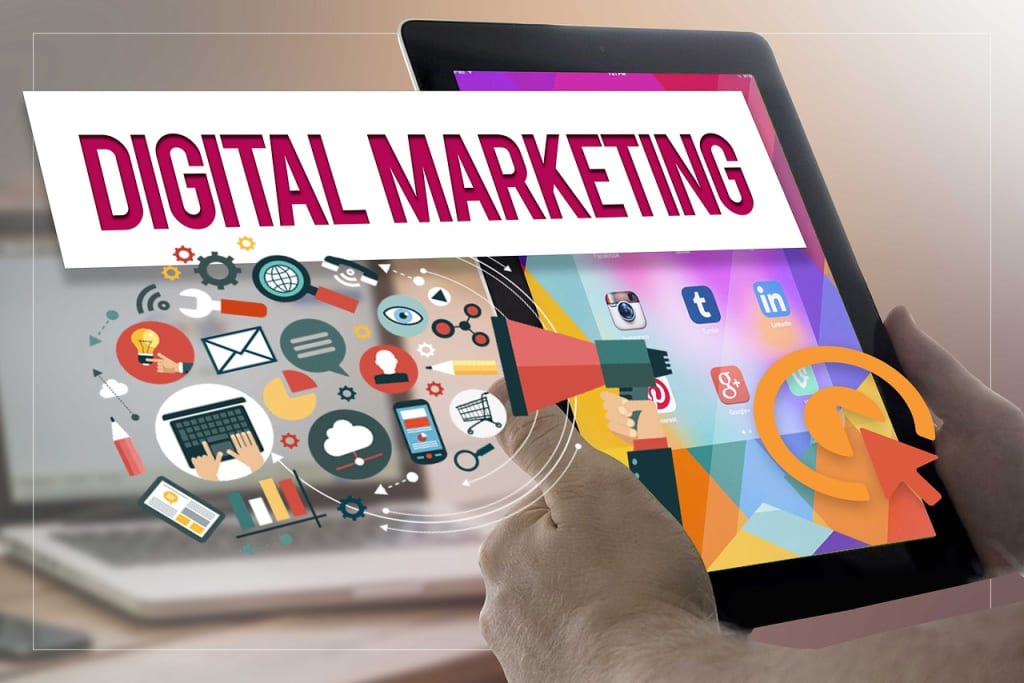
Introduction: The New Era of Digital Marketing in India
In today’s interconnected world, digital marketing has become a vital tool for small and medium-sized enterprises (SMEs) in India. The rise of the internet and mobile technology has revolutionized the way businesses operate, providing them with innovative tools to reach their target audience more effectively. This transformation has empowered SMEs to compete with larger enterprises by leveraging cost-effective and targeted digital marketing strategies.
India’s Digital Transformation
India’s digital landscape has undergone a significant transformation over the past decade. With over 700 million internet users, the country now ranks as the second-largest online market globally. This surge in connectivity, driven by affordable smartphones, data plans, and government initiatives like Digital India, has created a fertile environment for digital marketing to thrive. For SMEs, this digital revolution presents an unparalleled opportunity to engage with a digitally-savvy consumer base and expand their market presence.
The Shift from Traditional to Digital Marketing
Traditionally, marketing strategies for businesses in India relied heavily on print ads, television commercials, and billboards. While these channels still hold value, they often come with high costs and limited targeting capabilities. Digital marketing, however, offers SMEs a more cost-effective and efficient alternative, allowing them to reach specific demographics with pinpoint accuracy. This strategic shift from traditional to digital marketing is not merely a trend but a necessity for SMEs looking to thrive in today’s competitive environment. The ability to track real-time engagement and adjust strategies dynamically has leveled the playing field, enabling small businesses to challenge established brands and carve out their own niche.
Core Digital Marketing Strategies for SMEs
Search Engine Optimization (SEO) is one of the most critical digital marketing strategies for SMEs. By optimizing their websites for search engines, small businesses can increase their visibility and attract more organic traffic. SEO involves a range of techniques, including keyword research, on-page optimization, and link building, all aimed at improving a website’s ranking in search engine results pages (SERPs). In India’s crowded digital marketplace, effective SEO can be the difference between a business being found by potential customers or being lost in the noise.
Pay-Per-Click (PPC) advertising offers a direct and measurable way to drive traffic to a business’s website. Platforms like Google Ads allow businesses to bid on keywords related to their products or services, ensuring their ads appear at the top of search results. PPC is particularly effective for SMEs looking to achieve quick results and establish a strong online presence without the long lead times associated with SEO.
Content marketing is another powerful tool for SMEs. By creating and distributing valuable content—such as blog posts, videos, infographics, and e-books—businesses can build authority, engage with their audience, and drive traffic to their website. Content marketing also supports other digital marketing efforts, such as SEO and social media marketing, by providing shareable, relevant content that resonates with the target audience.
Social media marketing has become an essential component of any digital marketing strategy. Platforms like Facebook, Instagram, Twitter, and LinkedIn offer SMEs a cost-effective way to connect with their audience, promote their products, and build brand awareness. Social media marketing enables businesses to reach diverse audiences, interact with customers in real time, and create a community around their brand.
Email marketing remains one of the most effective digital marketing strategies for SMEs. A well-crafted email campaign can help businesses nurture relationships with existing customers, re-engage inactive ones, and convert leads into sales. Email marketing allows for personalized communication, which can enhance customer loyalty and retention.
Influencer marketing, a subset of social media marketing, has also gained significant traction in recent years. By partnering with influencers who have a strong following in their niche, SMEs can tap into new markets and enhance their brand credibility. Influencers act as trusted intermediaries, bridging the gap between brands and consumers. For small businesses with limited marketing budgets, collaborating with micro-influencers—individuals with a smaller but highly engaged audience—can yield substantial returns.
Navigating the Challenges of Digital Marketing
While digital marketing offers numerous opportunities, it also presents challenges for SMEs in India. The rapidly evolving digital landscape requires businesses to stay updated with the latest trends and technologies. Limited resources, both in terms of budget and manpower, can also hinder SMEs from fully capitalizing on digital marketing. However, the opportunities for growth and innovation are vast. By embracing data-driven marketing strategies, businesses can gain valuable insights into customer behavior and preferences, enabling them to make informed decisions and optimize their marketing efforts.
Emerging Trends in Digital Marketing
The future of digital marketing for SMEs in India is poised to be shaped by emerging technologies such as artificial intelligence (AI), machine learning (ML), and augmented reality (AR). These technologies offer exciting possibilities for businesses to enhance their marketing efforts, personalize customer experiences, and streamline operations. AI-powered chatbots, for example, can provide 24/7 customer support, while machine learning algorithms can analyze vast amounts of data to identify trends and optimize marketing strategies. Augmented reality offers unique opportunities for product demonstrations and immersive experiences, particularly in sectors like retail and real estate. By staying abreast of technological advancements, SMEs can maintain a competitive edge and drive innovation in their marketing endeavors.
Conclusion: The Future of Digital Marketing in India
Digital marketing has emerged as a game-changer for small businesses in India, offering unprecedented opportunities for growth, innovation, and success. By leveraging digital marketing strategies—such as SEO, content marketing, and social media marketing—small businesses can compete with larger enterprises, build meaningful connections with customers, and drive long-term sustainability. As the digital landscape continues to evolve, SMEs in India must embrace the possibilities of digital marketing to thrive in an ever-changing world. The integration of emerging technologies and data-driven insights will be key to navigating this landscape and achieving sustainable growth.
About the Creator
Keep reading
More stories from Shakunthala Ravikumar and writers in Journal and other communities.
The Ultimate Guide to Understanding Market Trends in India
Introduction India’s economy is a dynamic entity characterized by rapid growth, diverse sectors, and evolving market trends. Understanding these trends is crucial for investors, businesses, and policymakers aiming to navigate this vibrant market effectively. This guide delves into the current trends, provides a comprehensive market analysis, and offers investment tips to help you make informed decisions in the Indian market.
By Shakunthala Ravikumarabout a year ago in Journal
How Small Parts Make a Big Impact in Aerospace Innovation
When we think of aerospace innovation, our minds often gravitate toward the groundbreaking technologies: cutting-edge engines, advanced avionics, and sleek aircraft designs. However, the true power of modern aviation lies in the unseen, often overlooked components the small parts that make everything work seamlessly. Precision bearings and engineered motion components are some of these unsung heroes, playing a crucial role in the smooth operation of aircraft, military systems, and more.
By Beckett Dowhan3 days ago in Journal


Comments (1)
Thanks for sharing