
The Role of Coffee in Different Cultures
Coffee Culture
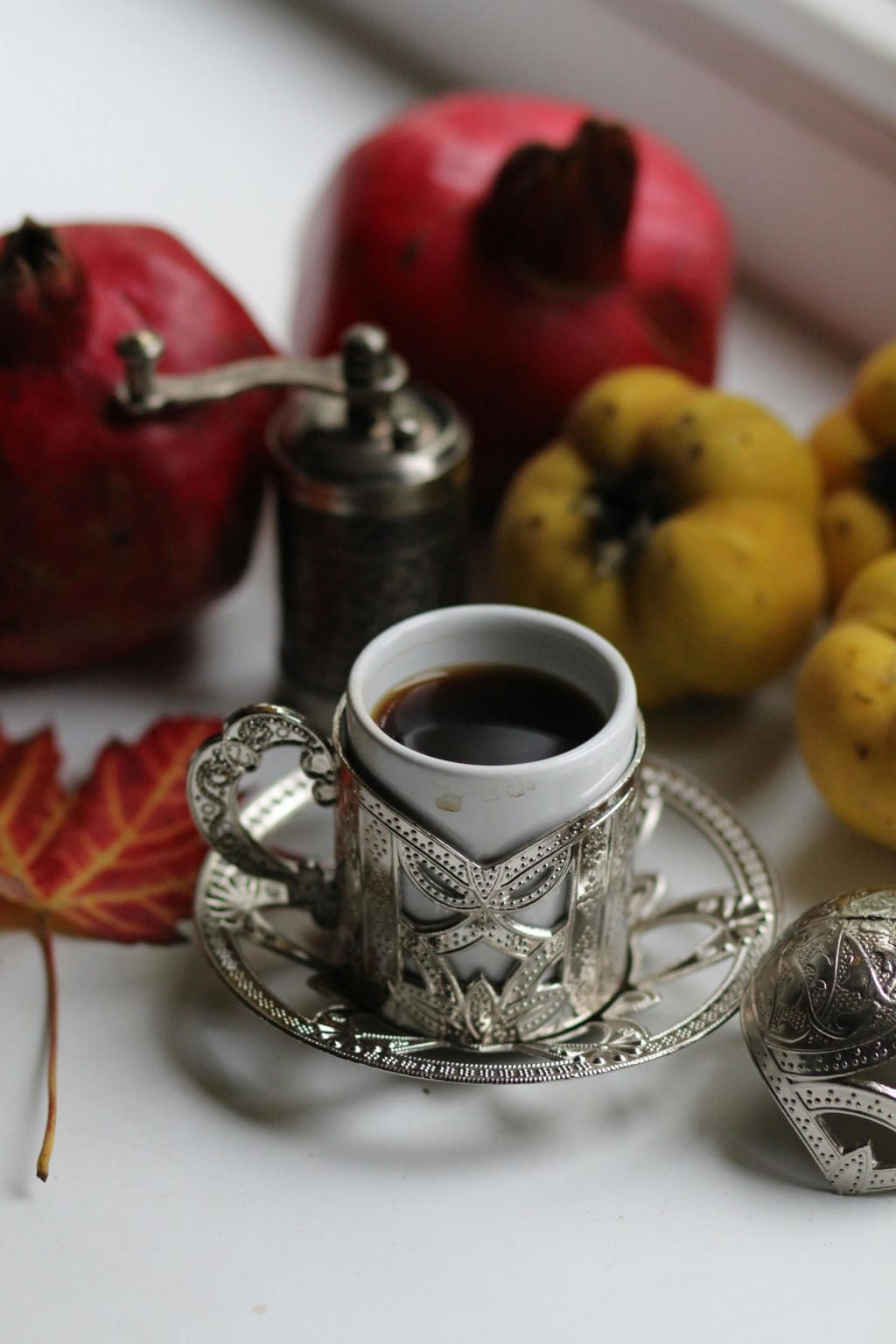
Coffee is much more than just a beverage; it plays a central role in the culture, traditions, and daily lives of people across the globe. From the bustling coffeehouses of Italy to the intimate coffee ceremonies of Ethiopia, coffee holds unique significance in different societies. This article explores how coffee is enjoyed and revered in various cultures around the world.
Coffee in Italy: A Symbol of Social Connection
In Italy, coffee is not merely a drink it is an integral part of social life. The iconic espresso is the backbone of Italian coffee culture, consumed quickly while standing at a bar rather than lingering over a cup. Coffee in Italy is often enjoyed in the morning, with a cappuccino or caffè latte accompanying breakfast, but it’s also a frequent midday break. The "caffè" is more than just a pick-me-up; it's a symbol of social connection, as friends and colleagues gather for a quick chat over an espresso. Italy's coffee culture is deeply embedded in its lifestyle, with each region offering its own twist on coffee drinks.
Coffee in Ethiopia: A Sacred Tradition
Ethiopia, considered the birthplace of coffee, treats coffee with great reverence. The Ethiopian coffee ceremony is a deeply cultural and spiritual practice, often taking place in the home or at special gatherings. The process involves roasting green coffee beans over an open flame, grinding them by hand, and brewing the coffee in a traditional clay pot called a "jebena." The ceremony is an elaborate, slow process that emphasizes hospitality, respect, and social bonding. Coffee is served in small cups, accompanied by incense and often shared among family and friends. This ceremony symbolizes the deep cultural and spiritual connections that Ethiopians have with coffee, which is believed to have first been discovered in the country’s highlands.
Coffee in Turkey: A Drink of Ritual and Conversation
In Turkey, coffee is much more than just a beverage—it is a cherished ritual with centuries of tradition. Turkish coffee is made using finely ground beans that are simmered in a special pot called a "cezve" over low heat. The coffee is served in small, delicate cups, and it’s typically accompanied by a glass of water and sometimes a piece of Turkish delight. Turkish coffee is famous for its strong, bold flavor and thick consistency. The process of making and drinking Turkish coffee is a social event, often accompanied by conversation, storytelling, and even fortune-telling. The art of reading coffee grounds after finishing a cup, known as tasseography, is a popular tradition, with the patterns interpreted to predict the future. In 2013, UNESCO recognized Turkish coffee as an Intangible Cultural Heritage, cementing its place as an integral part of Turkish culture.
Coffee in Sweden: Fika and the Importance of Breaks
In Sweden, coffee is synonymous with the concept of "fika," which refers to a daily coffee break shared with friends or colleagues. Fika is not just about drinking coffee; it’s about taking time to slow down, relax, and connect with others. Coffee is often accompanied by pastries such as cinnamon buns (kanelbullar) or other sweet treats. The fika tradition is deeply ingrained in Swedish culture, with many businesses encouraging employees to take a break for coffee during the workday. This simple yet powerful social ritual emphasizes the importance of community, rest, and reflection. It also reflects the Swedish value of "lagom," meaning balance and moderation, as coffee breaks are seen as a way to reset during the day.
Coffee in Brazil: A National Passion
In Brazil, coffee is not only a popular drink but also a source of national pride. As the largest producer of coffee in the world, Brazil has a deep connection to coffee, with the beverage often enjoyed throughout the day. The Brazilian coffee culture varies by region, but one of the most popular ways to drink coffee is "cafezinho"—a small, strong, sweetened coffee served in tiny cups. It’s often offered as a sign of hospitality, and no visit is complete without being served a cafezinho. Brazil's coffee culture is intertwined with its social fabric, and coffee is an essential part of every meal and gathering. It’s also a symbol of warmth and friendliness, with people often stopping by a friend’s home for a quick cup of coffee and conversation.
Coffee in the Middle East: A Gesture of Hospitality
In the Middle East, coffee is a symbol of hospitality and generosity. In countries like Saudi Arabia, Qatar, and the United Arab Emirates, coffee is often served in ornate cups with dates or sweets as a sign of respect to guests. The preparation of coffee is often elaborate, with spices like cardamom, saffron, and cloves added to the brew. Arabic coffee, also known as "qahwa," is typically served without milk and is enjoyed in small, delicate sips. The act of offering coffee is a ceremonial gesture, often accompanied by greetings and small talk. The tradition of coffee in the Middle East is tied to respect for guests and the importance of socializing and building relationships.
Coffee in Japan: A Modern Twist on Tradition
In Japan, coffee has become a popular part of daily life, blending seamlessly with the country’s deep respect for precision and craftsmanship. While traditional Japanese tea ceremonies are well-known, coffee has carved out its own space in modern Japanese culture. The Japanese take great pride in their coffee brewing methods, with a focus on technique, precision, and presentation. Manual brewing methods such as pour-over coffee and siphon brewing are particularly popular in Japan, where cafes are often quiet and serene, offering a space for individuals to enjoy a perfect cup of coffee. Coffee in Japan is often served alongside a sweet, such as a mochi or a light pastry, creating a refined and balanced coffee experience.
Conclusion
Coffee is more than just a drink; it holds deep cultural significance in various parts of the world. From the lively espresso bars of Italy to the slow, ritualistic coffee ceremonies in Ethiopia, each culture has its own unique way of celebrating and enjoying this beloved beverage. Whether it's a quick social break, an elaborate ceremony, or a sign of hospitality, coffee serves as a bridge between people, fostering connections, conversations, and traditions. Understanding how coffee culture plays a role in different cultures adds to its charm, making it not just a beverage, but a shared experience that transcends borders and unites people globally.
About the Creator
caffeinated insight
https://caffeinatedinsights.com/
Keep reading
More stories from caffeinated insight and writers in Journal and other communities.
The World of Coffee
Introduction to Coffee What is Coffee? Coffee is more than a drink; it’s a global phenomenon, cherished for its unique ability to energize and bring people together. Derived from roasted coffee beans, this aromatic beverage is a staple for millions worldwide. Its rich, complex flavor has made it a beloved part of morning rituals, café culture, and even fine dining experiences.
By caffeinated insightabout a year ago in Journal
Author’s Advice
If you would’ve asked me 20 years ago did I know I’d become a writer and an author, I would’ve said “nope, ain’t happening”. As fate would have it I did become an author and I can honestly say I’m loving it so far. It really does feel good to be a writer. I’ve learned a lot on this journey and I feel like with even me being as new to this world as I am, there’s some wisdom I need to share with every other aspiring author.
By Joe Patterson2 days ago in Journal
Why Didn't Anyone Tell Us
Men, move along. This is not for you. This is for the women. I was forty-five when I began menopause. It is pretty young for that to be going on in a woman’s life, but I had undiagnosed PCOS, my entire life. Thank you to all the gynecologists I had seen my entire life. That in itself should encourage women to keep seeking second opinions, especially when you are not getting correct answers or any at all.
By Alexandra Grant3 days ago in Humans




Comments
There are no comments for this story
Be the first to respond and start the conversation.