
The Rising Tide of Youth Solidarity with Palestine in American Politics
GenZ support for Palestine is huge

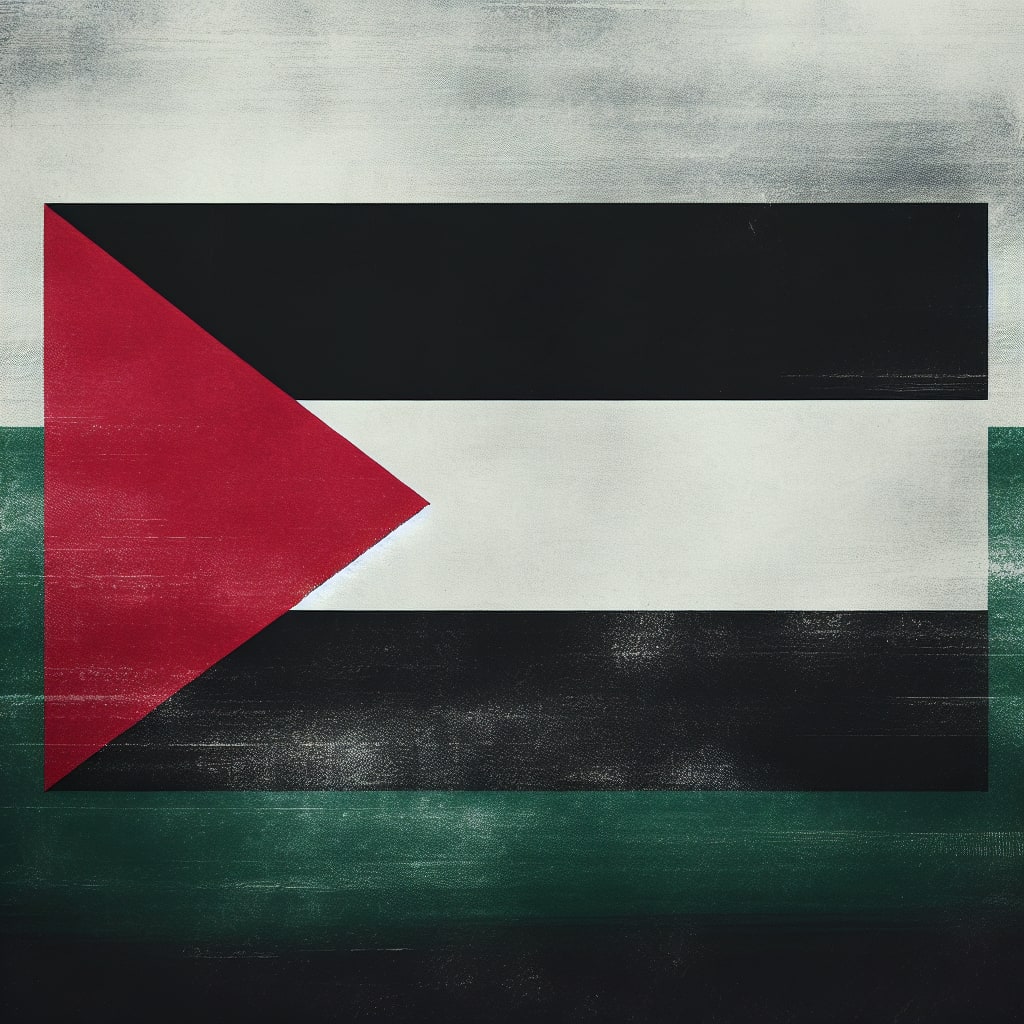
In recent years, a clear shift has emerged within the youngest segment of the American electorate: many Gen Z voters now view the Israel–Palestine conflict with increasing sympathy toward Palestinians—and their growing disillusionment spans both major parties.
Generational Shift in Sympathy and Sentiment
Multiple polling sources underscore an unmistakable generational divide. A Quinnipiac University poll conducted in November found that among voters under 35, 52 percent sympathized more with Palestinians, compared to just 29 percent favoring Israelis—a profound departure from older demographics.
Likewise, a New York Times/Siena College survey from late 2023 revealed that among likely voters aged 18–29, 47 percent sympathized more with Palestinians, while a mere 26 percent sided with Israelis, with only 10 percent sympathizing with both. This rise in Palestinian sympathy is particularly pronounced among youth of color, who also tend to be more critical of U.S. support for Israel.
Party Lines Didn’t Hold—Republicans and Democrats Alike Shifted
Remarkably, this shift isn't confined to Democratic circles. Within the GOP, younger Republicans are increasingly uneasy with unconditional support for Israel. A Washington Post investigation reported that while older Republicans remain strongly supportive—over 70 percent favoring military backing for Israel—among Republicans under 50, support has dwindled to a near-even split: 48 percent positive, 50 percent negative.
Further highlighting this drift, a Daily Beast summary of internal Republican polling showed that 31 percent of Republicans aged 18–49 think the U.S. is “too supportive” of Israel, compared to only 7 percent of those over 50.
Voices and Activism: Gen Z on the Streets and Campuses
Across college campuses, pro-Palestine activism has taken root. In spring 2024 alone, divestment referenda at institutions like Columbia and DePaul passed with huge margins—76 percent for divesting from Israel at Columbia, and 91 percent at DePaul.
The protests weren’t merely symbolic. They underscored youth frustration with traditional politics: many Gen Z activists feel that both parties have failed to challenge Israel’s military operations forcefully enough, especially given the humanitarian toll seen on Gaza’s streets.
Simultaneously, youth-led groups within both parties are reacting. The Democratic Socialists of America (DSA), for instance, has rallied behind pro-Palestine direct action, organizing encampments and expressing deep solidarity with Palestinian rights—even to the point of publicly renouncing politicians deemed insufficiently critical of Israel.
Why This Shift? Media, Morality, and Modern Messaging
Several factors drive this realignment:
Social media exposure: Platforms like TikTok have amplified raw, frontline imagery from Gaza—including stories of civilian suffering, starvation, and displacement—sparking visceral empathy among young users.
Moral framing: Many Gen Z voters—especially young Americans of color—see the conflict through the prism of racial justice and human rights, drawing parallels between Palestinian struggles and broader civil rights movements.
Distrust of mainstream narratives: Younger Republicans, in particular, gravitate toward alternative media channels (podcasts, social platforms), often skeptical of ideological simplicity and conditioned toward more nuanced or contrarian stances.
Conclusion: A Unified Youth Mandate for Palestinian Rights
What’s most remarkable is that this generational pivot toward supporting Palestine is not circumscribed by party labels—it spans both Democratic and Republican Gen Z voters, united by empathy, outrage at civilian tolls, and critical thinking. Their shared commitment to human rights has emerged as one of the defining foreign policy tendencies of America’s next generation.
As the 2028 election cycle looms, both parties will need to reckon with this cultural and moral realignment, especially as Gen Z becomes a decisive voting bloc. The seeds of a bipartisan pro-Palestinian movement among young Americans are not just sprouting—they are growing into a force that will shape U.S. politics for years to come.
Free Palestine
About the Creator
Keep reading
More stories from Herald Post Mail and writers in Journal and other communities.
Why Alexandria Ocasio-Cortez Cannot Be Trusted — And Why Thomas Massie Deserves Support Instead
Alexandria Ocasio-Cortez (AOC) rose to prominence in American politics as a self-described progressive outsider. She promised to challenge the status quo, oppose corporate influence, and stand against harmful foreign policy decisions. Many voters, particularly younger and left-leaning Americans, embraced her as a fresh voice who would challenge entrenched political powers. But as her time in Congress has unfolded, troubling contradictions have emerged—especially in her voting record regarding Israel.
By Herald Post Mail5 months ago in Journal
Why Catholics Confess Sins to a Priest Instead of Directly to God
One of the most common questions about the Catholic faith is why Catholics confess their sins to a priest instead of speaking directly to God. At first glance, this practice may seem unusual to those unfamiliar with Church teaching. After all, isn’t God all-knowing and capable of hearing our hearts directly? The answer lies in the teachings of Christ, the mission of the apostles, and the Church’s understanding of forgiveness, accountability, and healing.
By Sound and Spirit6 days ago in Journal


Comments
There are no comments for this story
Be the first to respond and start the conversation.